

Why Infrared Heating is Your Bathroom’s Secret Weapon
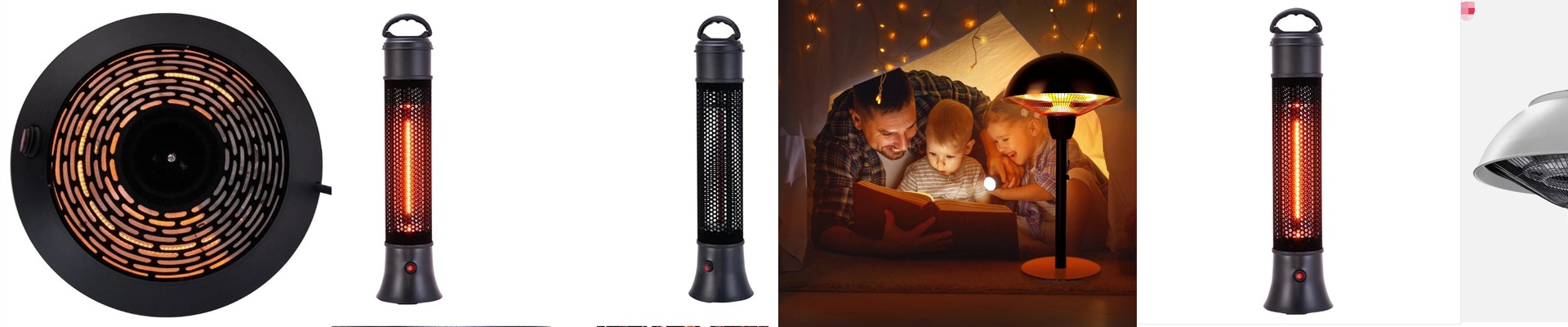
Most of us think of a Bathroom heater as that little luxury that keeps you from freezing when you step out of the shower. But if you look at it from a technical side, it’s doing way more than just keeping your toes warm. We use infrared (IR) lamps because they don’t just heat the air—they actually fight the moisture that ruins your bathroom.
Getting Rid of the Damp
Here’s the thing: mold loves a stagnant, damp room. It hides in your grout and eats away at your sealant. Standard heaters just warm up the air, which is fine, but IR is different. It sends out waves that hit the walls and ceilings directly. It basically shakes the water molecules on those surfaces, forcing the moisture to evaporate way faster than a normal heater ever could. It’s a simple trick of physics. When the surface stays warm, water can’t settle there. And if there’s no condensation, mold doesn’t have a place to grow. It’s a win-win.
Getting the Balance Right
You can’t just throw any lamp in there. You need enough power to pull moisture out of porous tiles, but you don’t want to trip your circuit breaker or melt your fixtures. That’s why we use quartz envelopes. They keep the heat steady and consistent for thousands of hours so you don’t have to keep replacing them. One thing to keep in mind: IR heat is directional. It’s like a flashlight. If the lamp is in the wrong spot, you’ll end up with “cold spots” where the dampness just hangs around. You’ve got to make sure the heat is actually hitting the areas that get the wettest.
A Few Things to Watch For
Using IR lamps definitely takes the pressure off your exhaust fans. But, they do pull a decent amount of power. If you’re putting these into an older home, you might need to beef up your wiring. If the voltage drops, the heat quality slips, and you lose that mold-fighting edge. It’s worth the extra effort to get the wiring right so the system actually does its job.