Clothes Drying Halogen Heater: The 400V 2500W R7s Quartz Tube, Explained
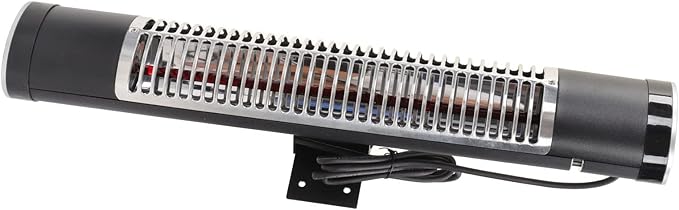
We built this clothes drying heater to be a straight-up infrared powerhouse. Its whole job? Pull moisture out of fabrics, fast. The heart of it is a 300mm shortwave halogen tube, running at 2500W on a 400V supply. That power setup is smart—it keeps the current lower, so you can run several units without stressing the wiring.
Power, Voltage, and Size: Why It Matters
Packing 2500W into a 300mm tube means serious heat in a small footprint. That’s exactly what you want when you’re squeezing everything into a drying cabinet or tunnel. And that 400V rating? Not random. It lines up with standard industrial power drops and lets you use smaller wiring than you would with 230V designs. You get more heat per amp, sure—but you’ve got to plan the controls and cooling. Run this hard without airflow, and the reflector and terminals will get seriously hot.
Materials and Design: Quartz, Coating, and the R7s Base
The quartz envelope can handle the shock of quick on/off cycles, and the halogen fill keeps the filament stable even when it’s cranking. Inside, a reflective coating on the wall pushes more energy forward. The payoff? Tighter heat pattern control and less wasted heat soaking into the chassis. The R7s base is a straight-pin, double-ended design that locks in with solid alignment and contact—even in high-vibration equipment. It installs quickly, and once it’s in, it stays put when the conveyor is pounding along.
Real-World Drying: How It Performs
When you’re drying clothes, you need radiant heat that hits hard right away to blast off surface moisture, then holds steady to finish the job. This heater does exactly that—warms up fast, and delivers consistent output. It’s designed as a drop-in replacement for standard R7s lamp holders, so you can retrofit your existing lines without reworking the whole bay. Just remember: you’re dealing with serious heat density. Plan your airflow and thermal management from the start, or the surrounding parts will cook.