
Out in off-grid places, kerosene used to mean warmth—and it also meant soot, headaches, and always checking ventilation. Swapping over to a plug-in infrared heater isn’t about chasing upgrades. It’s about keeping indoor air clean while staying genuinely comfortable.
What actually matters under the hood
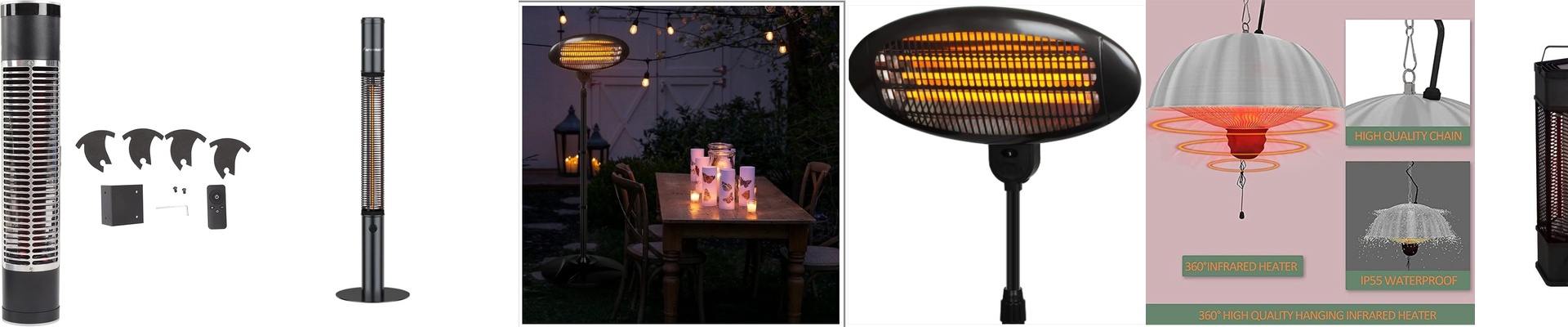
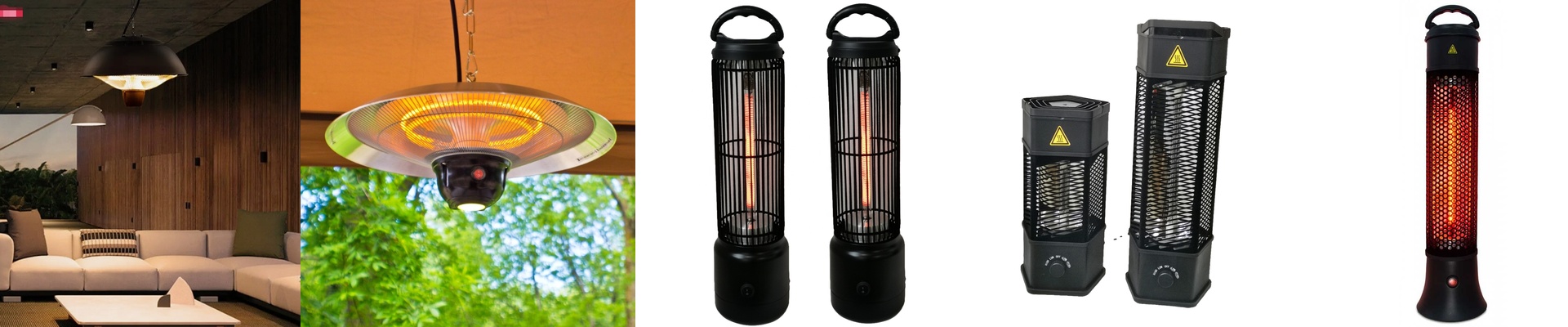
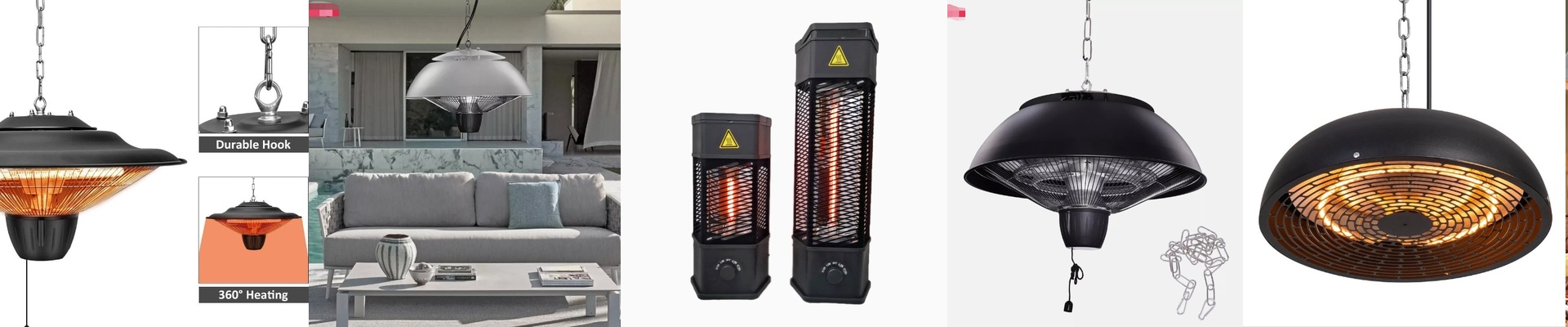
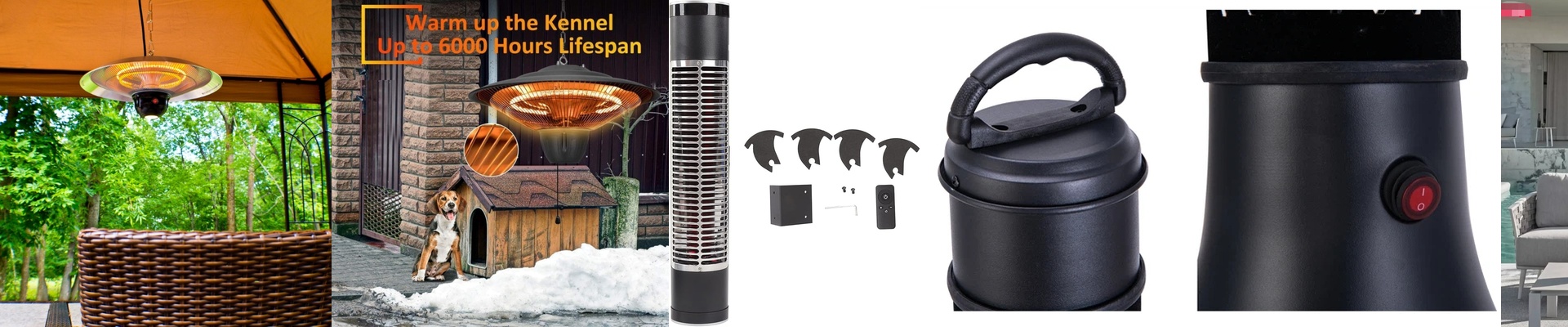
We built this around carbon-fiber infrared elements. The heat comes as radiant warmth, hitting people and objects directly instead of chasing air around. That’s why you feel the comfort within seconds, even in rooms that won’t stop drafting. It runs off a standard outlet, draws 1500W, and puts heat where you need it without a noisy fan. A built-in thermostat holds the output steady, and tip-over protection shuts the element off if the unit gets knocked over.
Why this approach cleans up in practice
Kerosene burns dirty, and you feel it—dry air, lingering smells, eyes that get irritated. With infrared, you’re not combusting in the room, so you avoid the byproducts that make indoor air feel heavy. The warmth arrives as gentle radiant heat, which helps muscles relax and keeps things quiet. In small to medium rooms, you can heat the spot you actually use instead of running the whole house, so energy use is often lower than what a large forced-air system pulls.
The real-world details you want up front
This is direct heat, period. It won’t warm an entire home, and it works best when it has line-of-sight to where you sit or work. Keep it at least three feet from anything combustible, and give it a dedicated outlet—skip the long extension cords. For bedrooms, pick a model with a low-glare element and use the thermostat to hold a steady temperature through the night.