How to actually pick the right infrared lamp for your bathroom
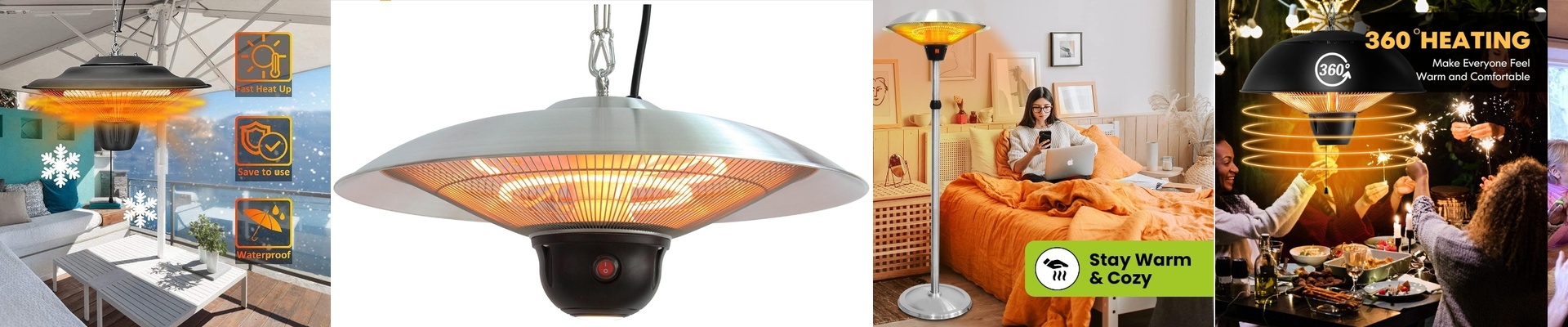
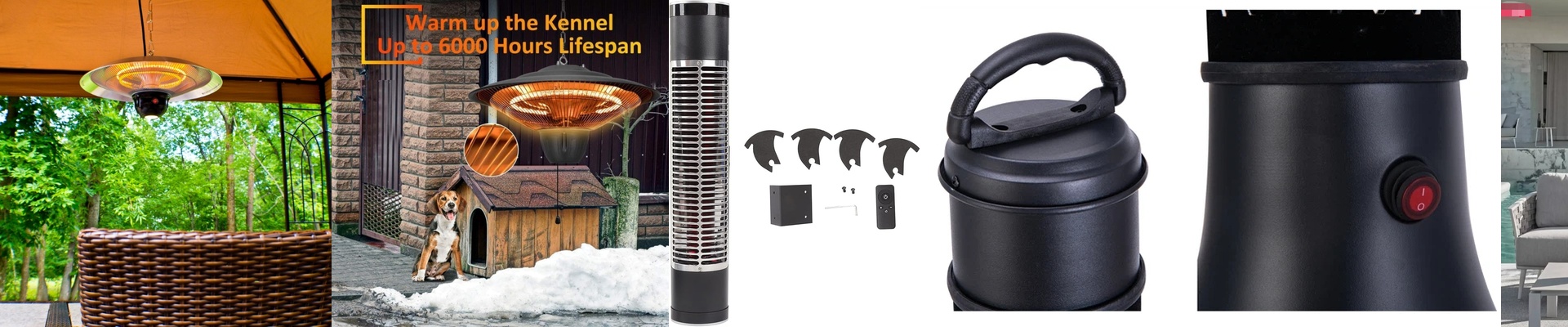
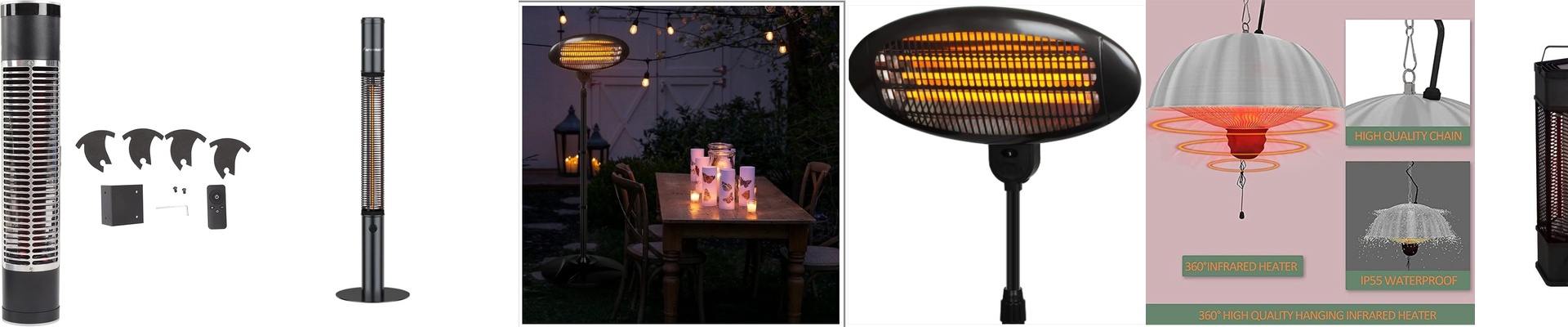
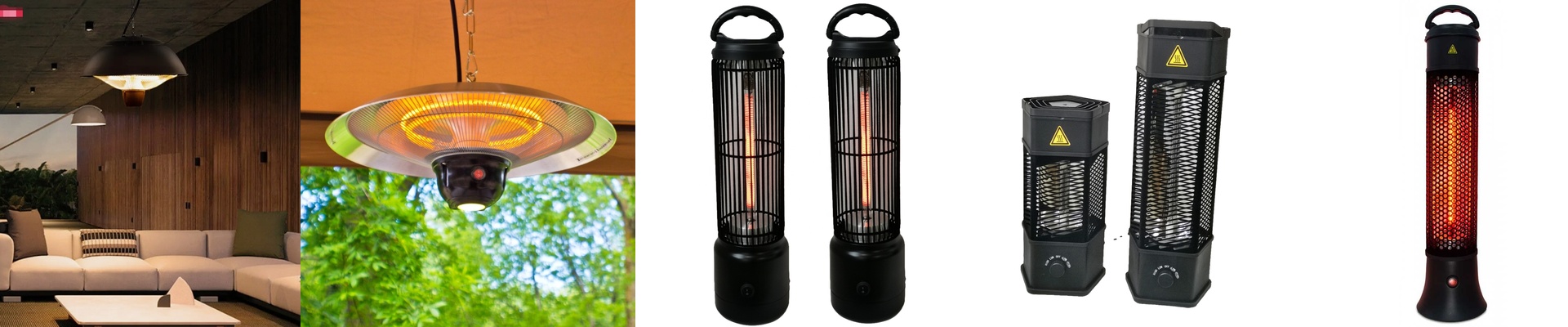
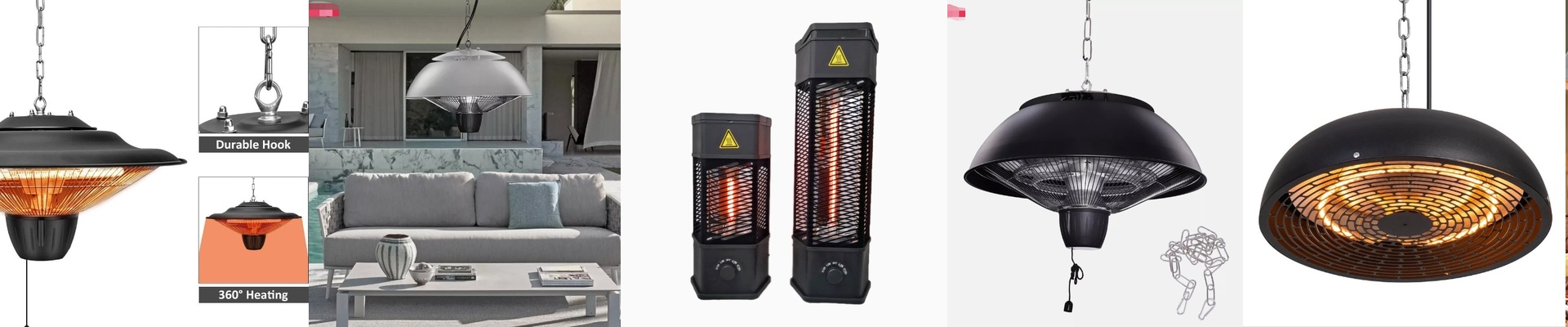
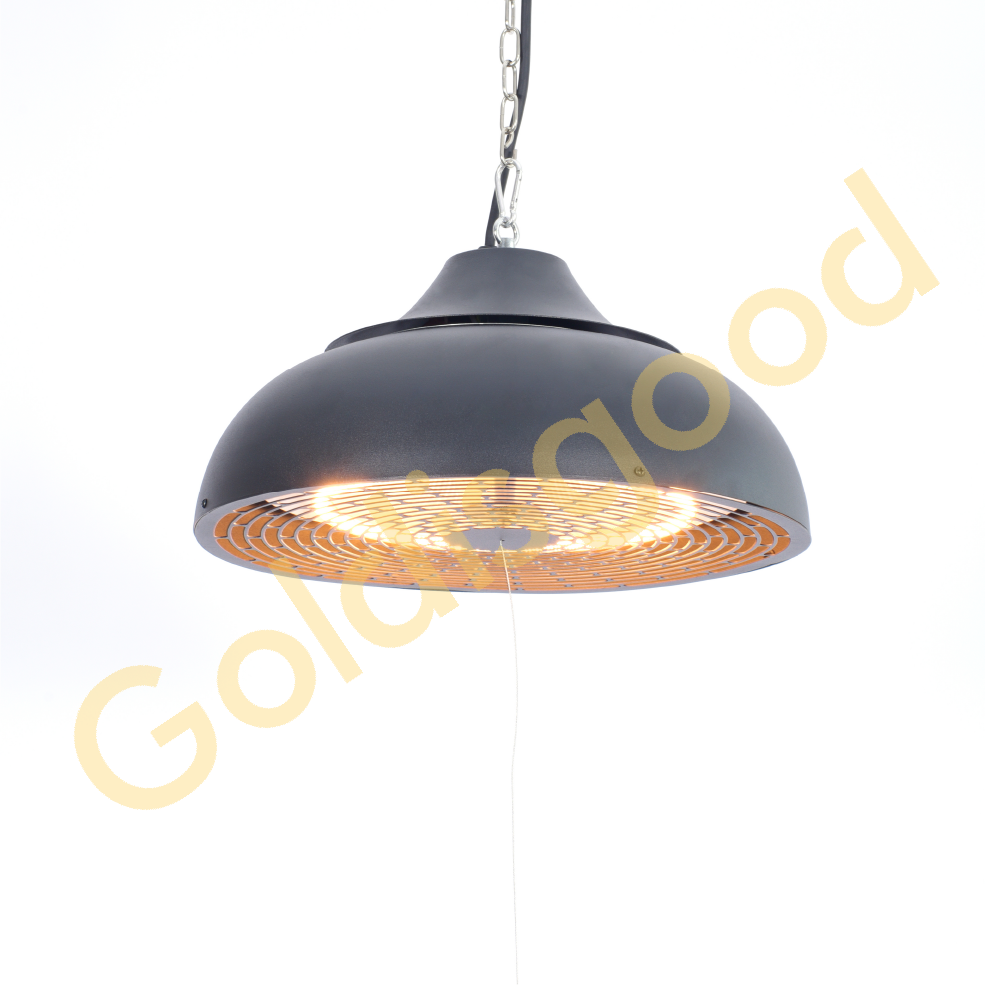
When you’re picking out an infrared lamp for the bathroom, your first instinct might be to just grab the most powerful bulb on the shelf. But here’s the thing: bigger isn’t always better. It’s really about getting the heat where you actually want it without wasting power. We stick with short-wave infrared emitters. Why? Because they heat you and the surfaces around you directly. They don’t waste time trying to warm up all the air in a room with high ceilings or drafty walls. It’s a much more direct kind of warmth. Getting the wattage right You’ve got to look at the size of your room. If you’re dealing with a tiny powder room (under 4m²), a 250W to 400W lamp is usually plenty. If you try to cram an 800W lamp into a closet-sized space, you’ll bake yourself in minutes. Then your thermostat will just keep clicking on and off, over and over. That “short-cycling” is a killer—it wears out your gear and jacks up your electric bill. For those big master baths (8m² to 12m²), don’t rely on one giant light. Instead, spread out a few 600W units across the ceiling. It stops those annoying cold spots and makes the whole room feel cozy. Where you put it matters Infrared heat travels in a straight line. If you mount a lamp too high, the heat loses its punch before it even reaches you. I usually suggest keeping the mounting height between 2.2 and 2.6 meters. If your ceilings are higher than that, you’ll need to bump up the wattage just to make sure you actually feel the warmth by the time it hits the floor. The trade-off More wattage means the room warms up faster. Sounds great, right? Well, there’s a catch. If the wattage is too high and you’re standing too close, you risk actually burning your skin. You have to find that sweet spot between the power of the bulb and how high it’s installed. Also, keep in mind that a 1000W lamp is a beast. It needs heavy-duty wiring and a beefy circuit breaker, or you’ll be tripping the power every time you turn it on. Just double-check your electrical setup before you go all-in on high-power arrays.