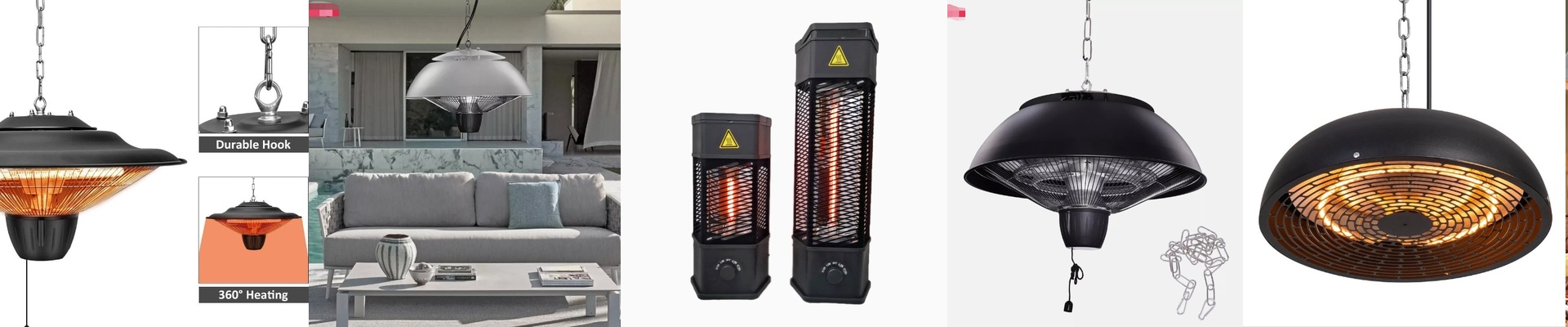
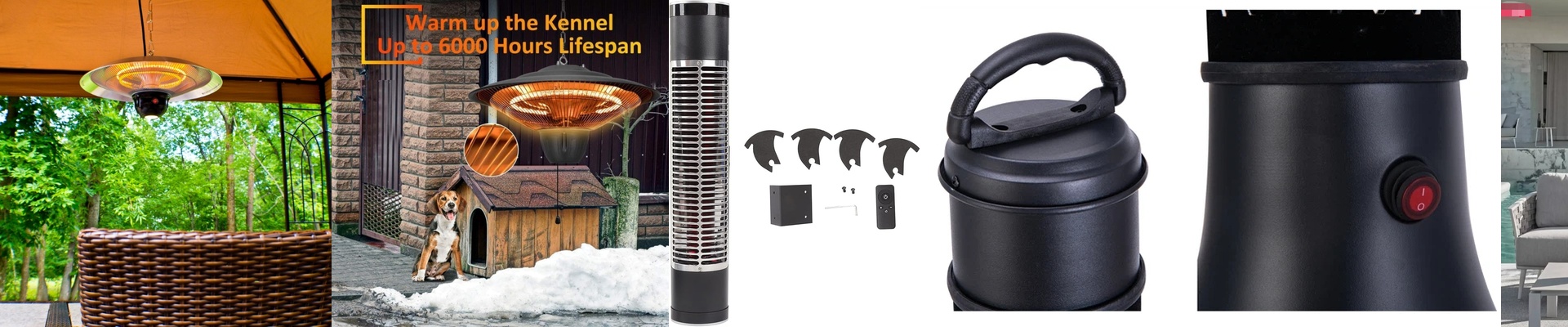

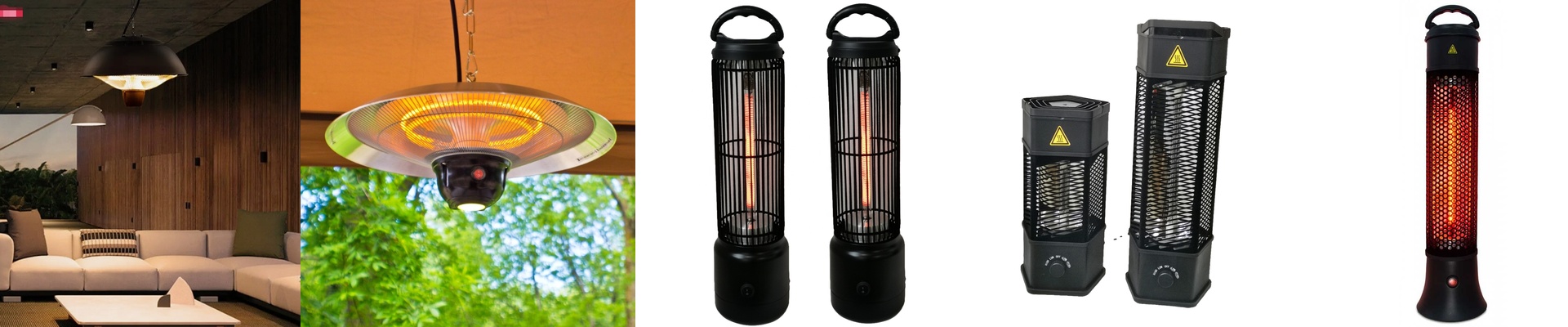
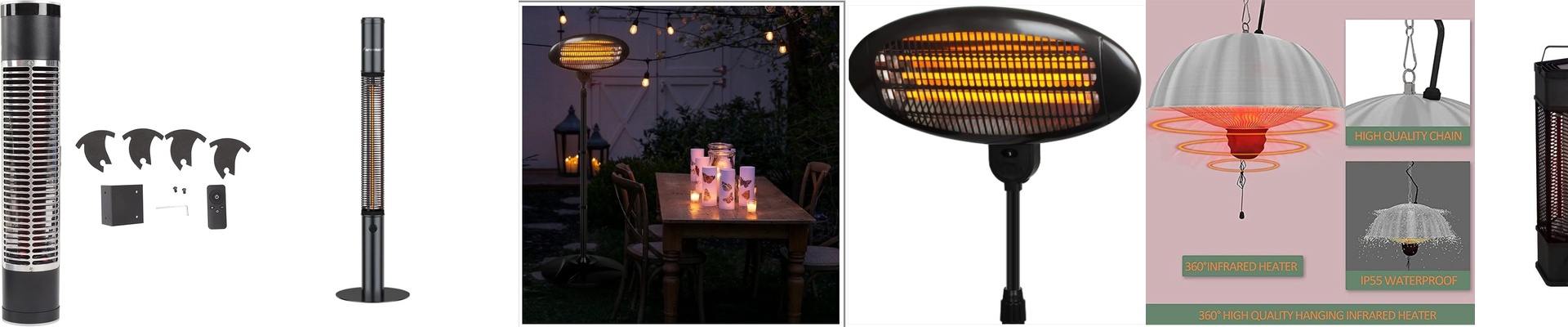
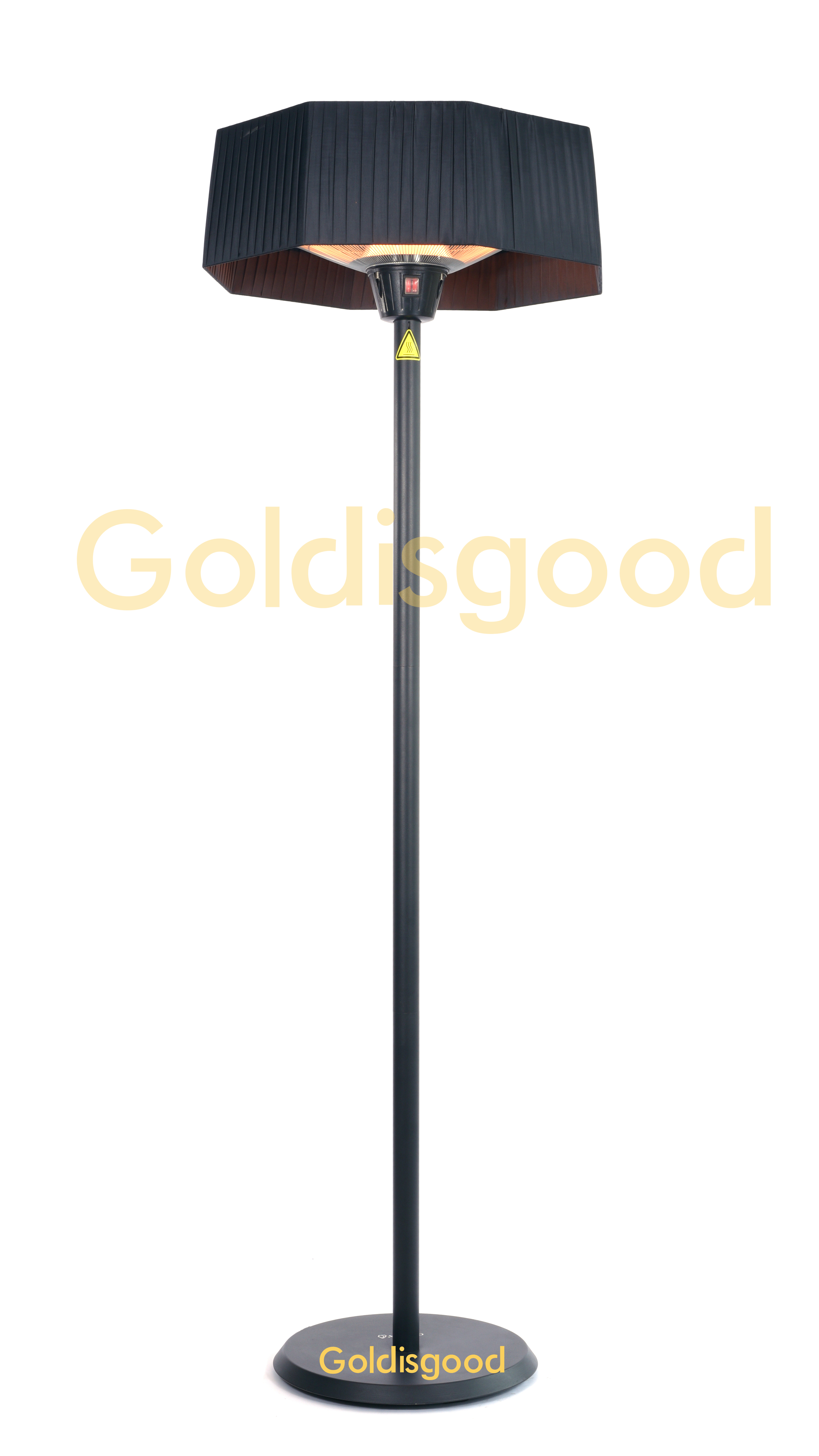
IP65 Infrared Heaters: Instant Heat, Right at Your Fingertips
We built this heating element to be a straight-up upgrade for your infrared heater. The whole point? Giving you control that feels instant. Hit a button, and the heat comes on. No waiting around. No lag. Just immediate, remote control that fits right into your smart home.
Power, Voltage, and the Size That Matters
At the heart of this thing is a high-output infrared core. It’s built for one thing: getting hot, and getting hot fast. We matched the voltage and wattage to handle the kind of heavy-duty, on-again-off-again use you see in real industrial setups. The heat doesn’t dip, even after countless cycles. And the size? We made it compact, so it drops right into the spot your old heater used to live. No messing with the housing. No re-engineering. Just swap it in. Here’s the thing about packing that much power into a small tube: you get serious heat density. That means a super-fast warm-up. But it also means your fixture needs to be ready for it. Good ventilation and proper heat sinking are non-negotiable. If the housing can’t handle the heat, the component life just won’t last.
The Build: Why the Details Make All the Difference
We went with a quartz-based infrared emitter. It’s got a protective coating that does two important jobs: it keeps the output stable and stops those nasty hot spots from forming. This coating is what keeps things running smoothly over long stretches, even when you’re constantly turning the heater on and off. And for the wiring, we sealed the deal with an IP65-rated interface. That seal keeps moisture and dust out of the electrical junction—the spot that usually fails first in tough environments. Replacing it is a breeze. No tools. Just pop the old one out, plug the new one in, and you’re done.
What It’s Like to Use: Reliable, Responsive, and Ready
In practice, this setup is all about dependable performance. The IP65 rating means you can install it in spots that get dusty or get splashed with water, no sweat. The clean electrical connection makes wiring it into smart controllers straightforward. When it’s connected to your smart system, it listens. The element responds immediately to your commands, making remote scheduling and zoned heating a reality. For the engineers out there, it comes down to this: predictable heat, a fast response, and a component you can swap out without tearing the whole unit apart. That means less downtime and maintenance that’s actually simple.