
Walk into a gallery and you feel it right away: the air is still, and so is the temperature. One bout of overheating can warp canvas, fade pigments, and undo years of conservation work. Traditional forced-air systems don’t help—they just push dust and humidity around priceless pieces, adding risk. The smarter move is a different kind of warmth: infrared.
What matters, technically
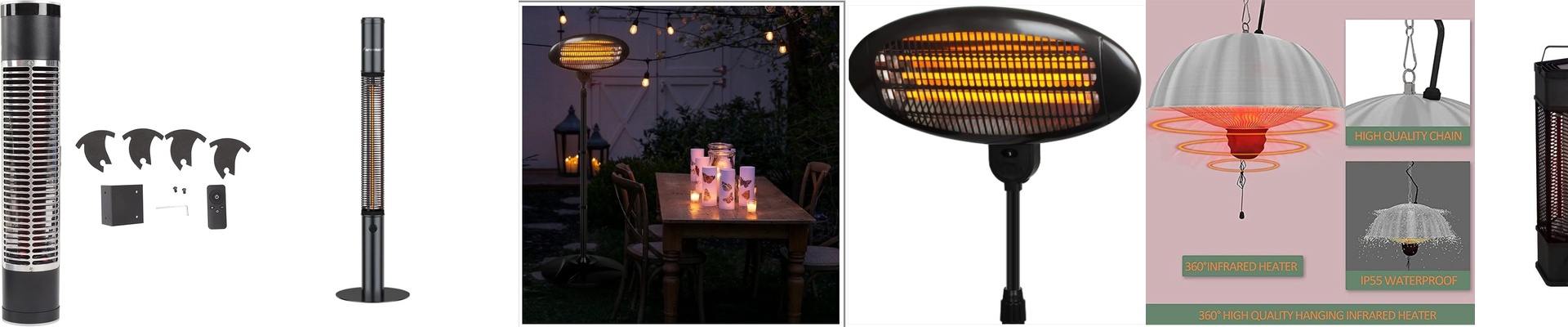
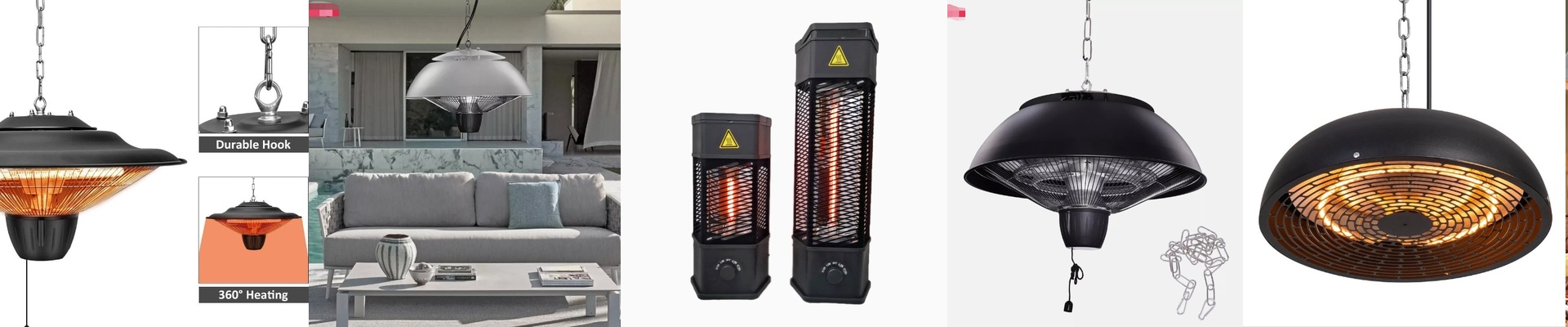
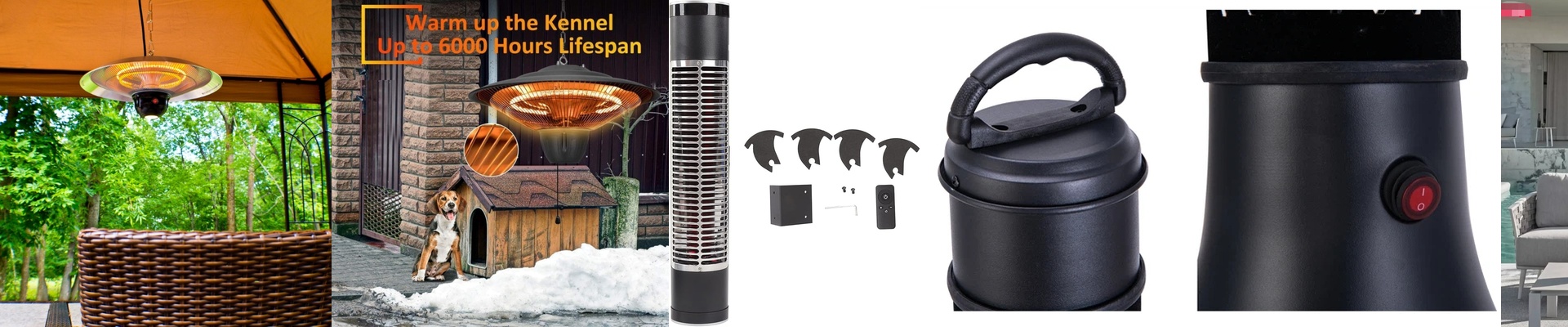
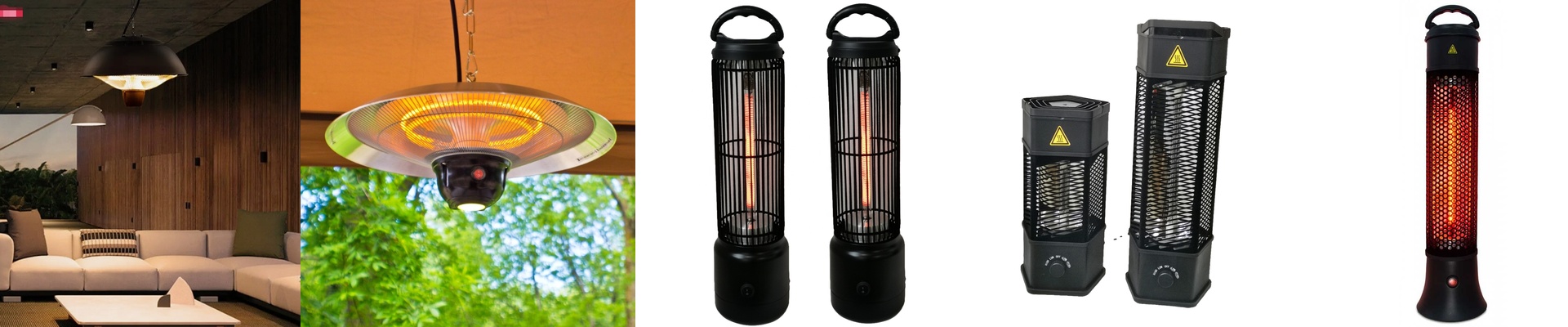
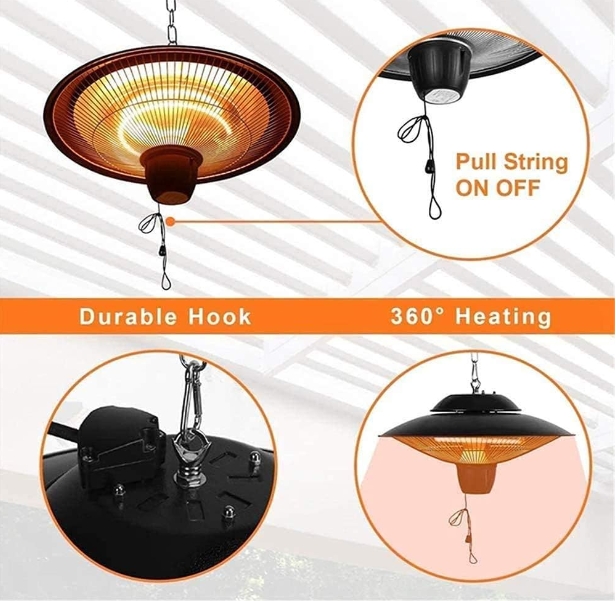
Infrared heaters warm people, objects, and surfaces directly, without first heating the air. In practice, that translates to a faster warm-up and a stable microclimate around each exhibit. In museums, we lean on medium-wave or near-infrared elements, usually tucked into low-glare housings, because they deliver directional radiant heat with tight control. A built-in thermostat keeps output steady, and a fanless design means no air movement to disturb delicate paper, textiles, or conservation adhesives. Typical outputs run 1.5 kW to 3.0 kW, with 120 V or 230 V options, and the profiles are compact enough to mount cleanly on walls or ceilings.
Why it fits the space
Galleries and museums need heat that stays within boundaries. Infrared targets the exact areas where visitors stand and where cold spots threaten sensitive materials, without pushing warm air across the whole room. You get consistent comfort with fewer temperature swings, and you use less energy because you’re not heating empty volume. For staff, it means fewer alarms triggered by sudden humidity shifts and fewer headaches about hot spots forming near frames and vitrines.
The practical details
Infrared shines when it’s aimed properly. Placement matters—keep the beam angle focused on visitor zones and off the direct line of sight to light-sensitive objects. The heater surface gets warm, so clearance to nearby materials is a must, and a pro install keeps the wiring aligned with local codes. Plan it well and you end up with dependable warmth that protects what matters most.