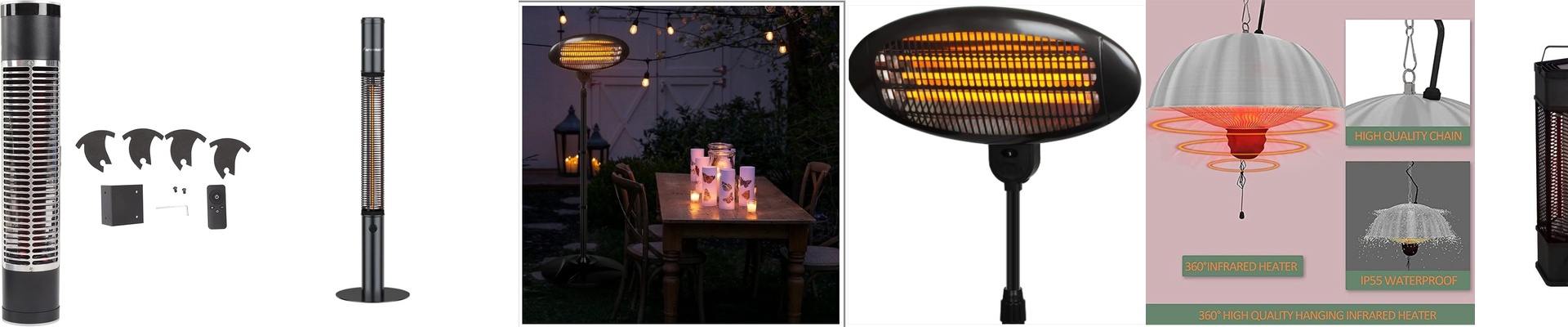
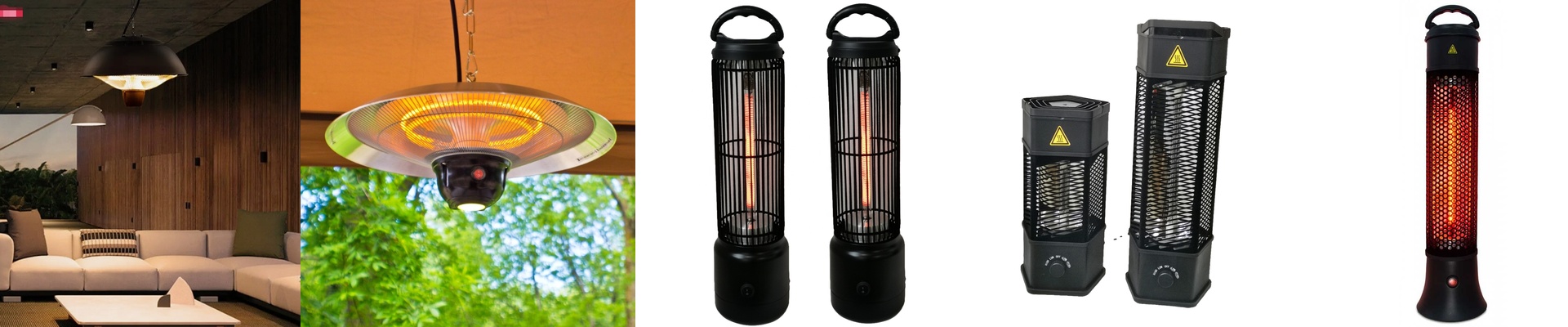

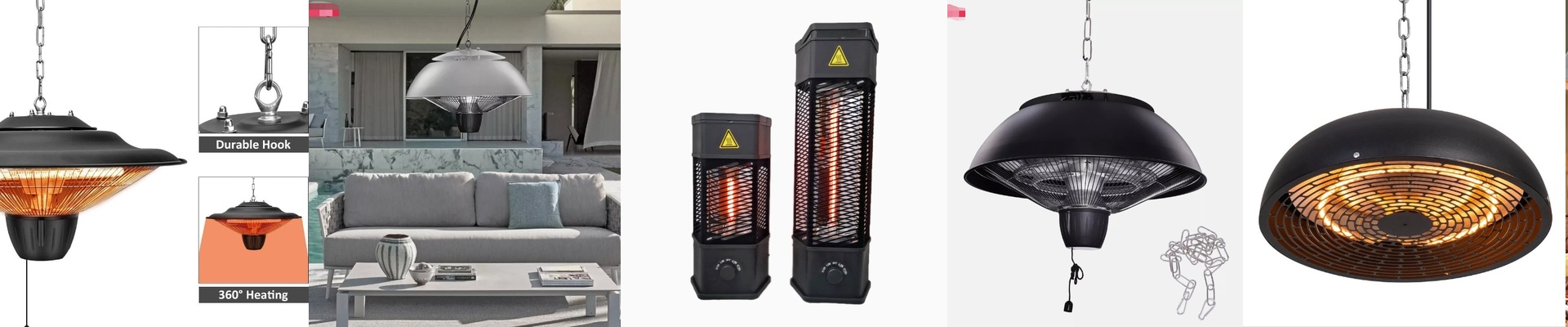
On the fab floor, a temperature excursion during photoresist bake or a drift in the drying step isn’t a “glitch.” It shows up as line-width variation, it eats yield, and it pulls you into unplanned downtime. Conventional heaters fight to hold ±0.1°C across the wafer, and every time they cycle, they shed particles that can push cleanroom particle counts out of spec. We built our industrial fab heater replacement to take that variability out of the equation. What matters, technically We went with medium-wave infrared emitters in a quartz assembly because the heat is fast, clean, and doesn’t carry a lot of thermal inertia. You get wafer-level uniformity of ±0.1°C, and setpoint repeatability within ±0.5°C across thousands of bake cycles. The heater body and mounting hardware are rated for cleanroom Class 1–100, and the output is tuned so there’s zero particle generation at operating temperatures. Control is closed-loop, with a calibrated thermocouple and PID that holds temperature steady against line voltage swings and lamp aging. Why it holds up in production This unit is built around the four thermal nodes that define process integrity: wafer drying, photoresist soft bake and hard bake, packaging curing, and cleaning dry-down. In lithography, that tight uniformity keeps critical dimension control in range and cuts down on photoresist footing. In packaging, the fast ramp-to-setpoint shortens curing time without hurting adhesion. In cleaning, the controlled dry-down prevents re-deposition. The platform drops straight into standard tool footprints, so you can swap it in without re-qualifying the entire oven. Energy draw drops 15–20%, thanks to efficient IR coupling and lower standby losses. Here’s what you need to plan for The heater needs a dedicated 240 VAC circuit, and you have to verify airflow across the lamp housing to keep emitter temperature stable and protect the quartz envelope. Installation takes about 2–4 hours, and it’s best done during scheduled preventive maintenance. Quartz is tough, but it doesn’t like thermal shock from rapid on/off cycling—stage the ramp rates in the recipe and you’ll extend lamp life. Once it’s running, field data shows it can run 24/7 with zero unplanned downtime. The only routine maintenance is the lamp end-of-life plan, and you schedule it by hour count, not by failure.