

Can a Simple Infrared Lamp Really Replace That Pricey Semiconductor Part?
We hear this question constantly out on the shop floor: Can a regular infrared heating lamp really slash your costs and just slip right in where those expensive semiconductor spares used to go? It’s not just about the price tag. It’s about the engineering. We built our solution to match the original equipment, hitting every core requirement to make sure it actually works.
The Nitty-Gritty: Power, Voltage, and Fit
Soft bake stages in lithography need serious precision when it comes to heat. So, we had to match the power density of the original unit. Our infrared lamp runs at high voltage—usually 400V—to pack a serious wattage punch in a small space. This high-voltage approach keeps the current draw low, which means less strain on your wiring and internal electrical components. And the fit? We match the physical dimensions, including the tube length, to the standard 300mm substrate equipment. This lines up the heating zone perfectly with the substrate, so you avoid those hot or cold spots that can ruin an entire wafer batch.
What’s Inside: Quartz, Coating, and the Right Plug
The heart of the lamp is a high-purity quartz tube. It’s tough enough to handle rapid temperature changes and clear as day for transmitting infrared light. We coat the back of the filament with a special reflective layer. This pushes the energy forward, boosting efficiency. The front end gets treated too, filtering out specific wavelengths to make sure the heat profile is just right for curing the photoresist. Then there’s the connector. We use an R7s—the industry standard for linear halogen and infrared lamps. That means you can plug it straight into your existing socket. No rewiring. No hassle.
How It Works and What You Need to Know
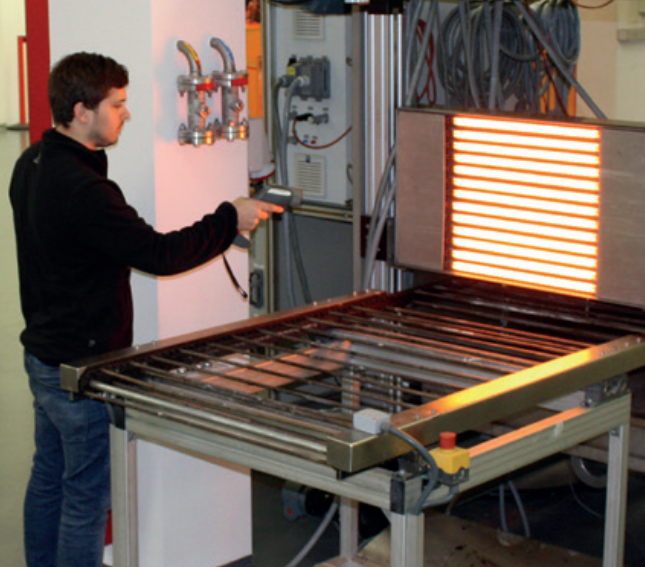
The whole point of the soft bake process is to evaporate the solvent from the photoresist quickly and evenly. Our lamp blasts the resist layer with high-intensity, shortwave infrared heat. This speeds things up and helps boost your yield. And because of that R7s connector, it really is a drop-in replacement. Seriously. No downtime. But here’s the catch. A 400V, 2500W tube cranks out a lot of heat. That means your machine’s cooling system needs to be up to the task. If the cooling isn’t sufficient, the lamp will run hotter than it should, and that shortens its lifespan. We always tell our customers: check your cooling specs before making the switch. That’s how we cut through the price fog. We deliver the right specs, in the right package, without the OEM markup.