
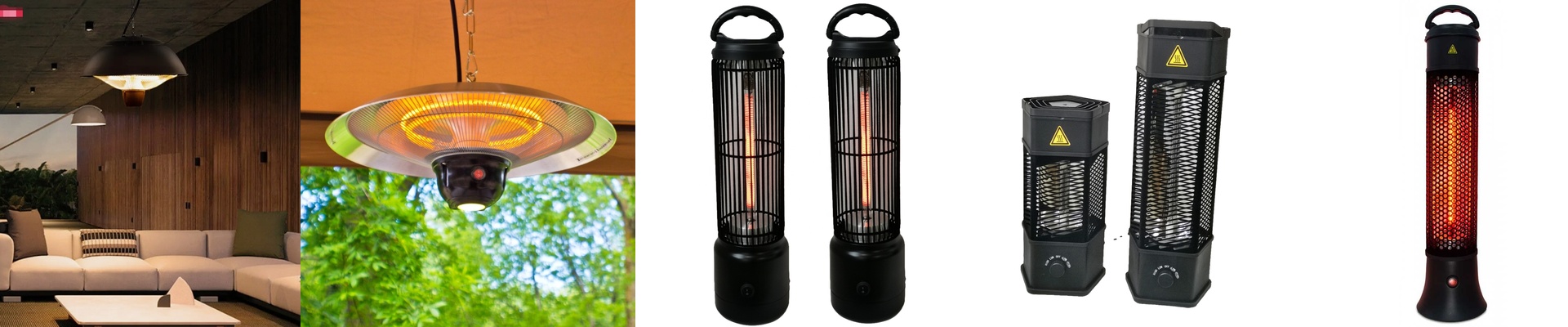
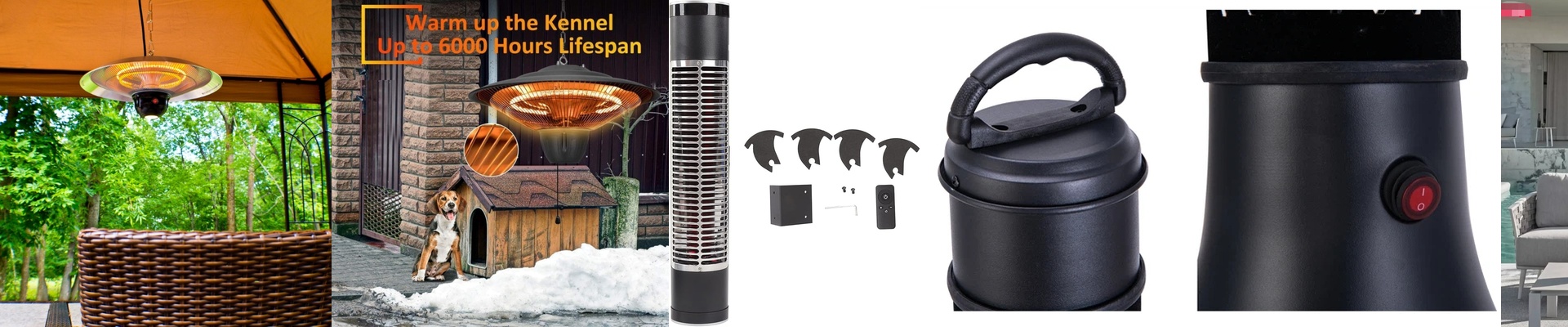
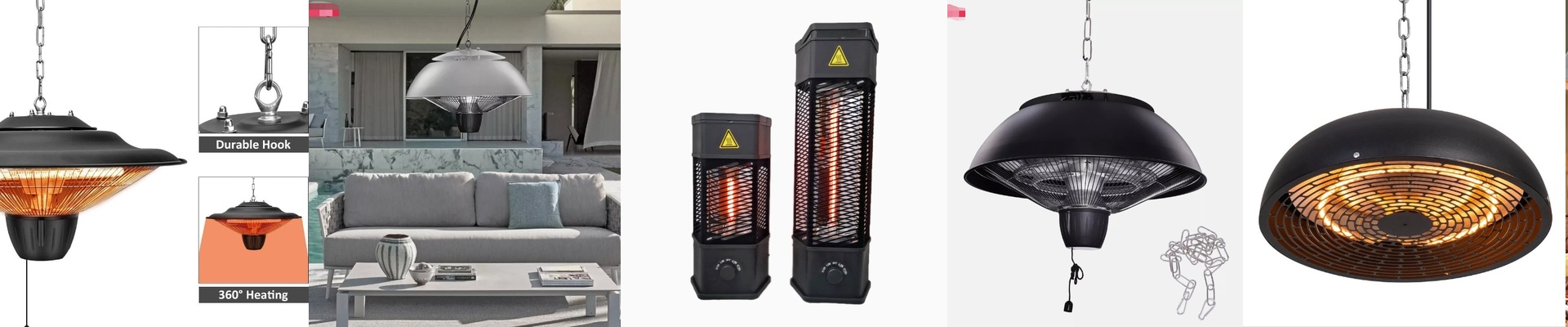
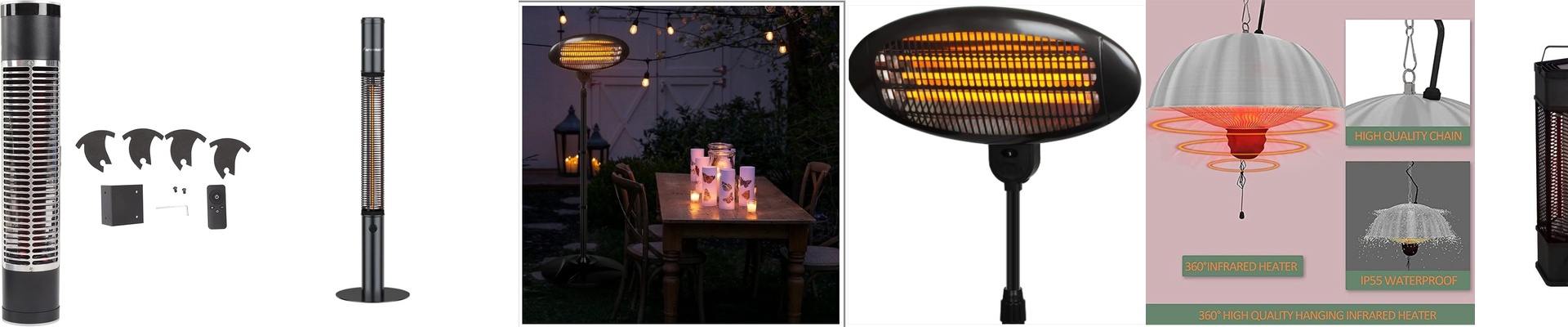

Cold evenings in the living room have a way of turning quiet relaxation into a blanket hunt. Standard convection heaters move air around, but they make you wait—and you’re paying for that wait in wasted energy. The practical fix is infrared.
What matters under the hood
Infrared living room space heaters turn electricity into radiant heat, and the most efficient models push conversion into the high 99.8% range. We get there by pairing a high-purity quartz tube with a precisely engineered carbon fiber heating element. The element heats almost instantly, and the quartz envelope focuses the heat into a tight infrared beam. You feel warmth directly—on people, furniture, and floor surfaces—without having to heat the whole room’s air first. In practice, that means comfort arrives faster, and you’re not spending energy on empty space. Most units run off a standard 120V outlet, and many include an adjustable thermostat plus safety features like tip-over protection and an overheat cutoff.
Why it fits the living room
In a living room, comfort needs to show up quickly and feel even. Infrared warmth does both: it starts fast, runs without a noisy fan, and leaves the air feeling less dry. You get cozy sooner, and you can run the heater in short bursts instead of keeping it on all evening. The payoff is a room that feels welcoming the moment you sit down, with less bite on the energy bill.
The real-world details
Infrared heat is directional, so placement matters. Point the heater so it shines on seating areas, not just on a wall. And because the tube glows, it may not be the call for very light-sensitive bedrooms. For the best experience, keep the heater on a hard, level floor, clear of curtains and furniture. Use the thermostat to hold a steady temperature rather than running the unit wide open.