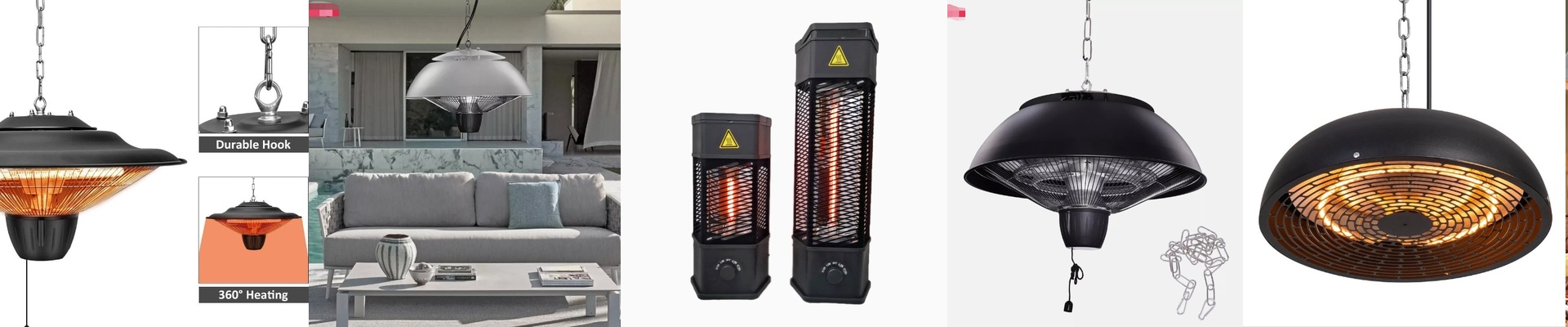
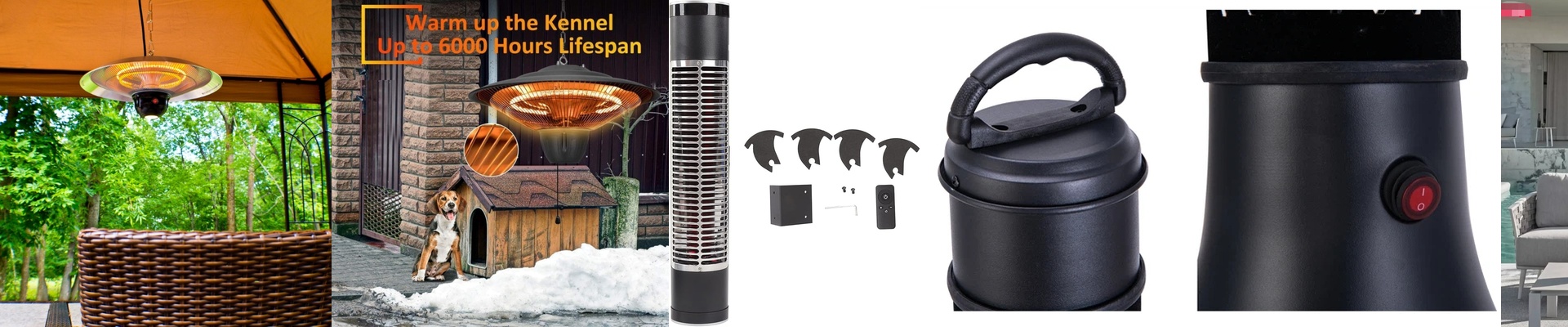
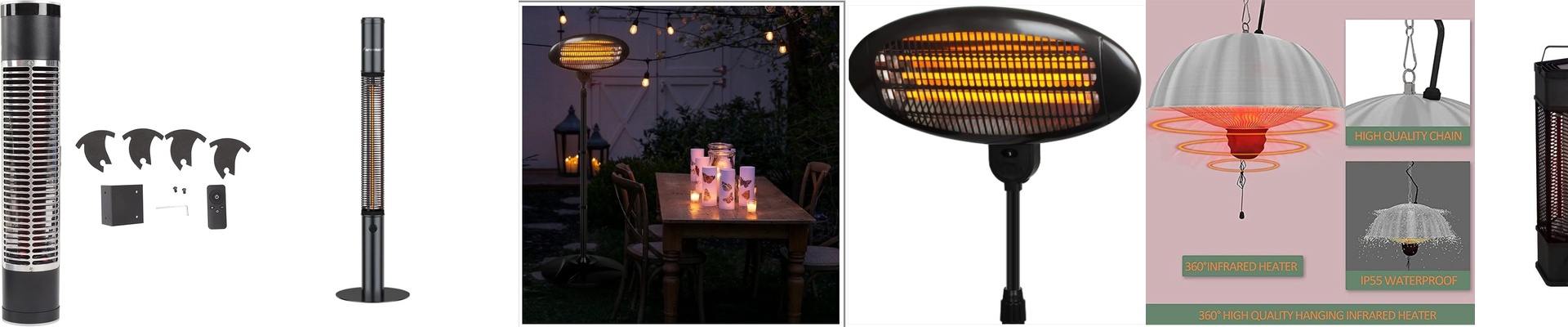

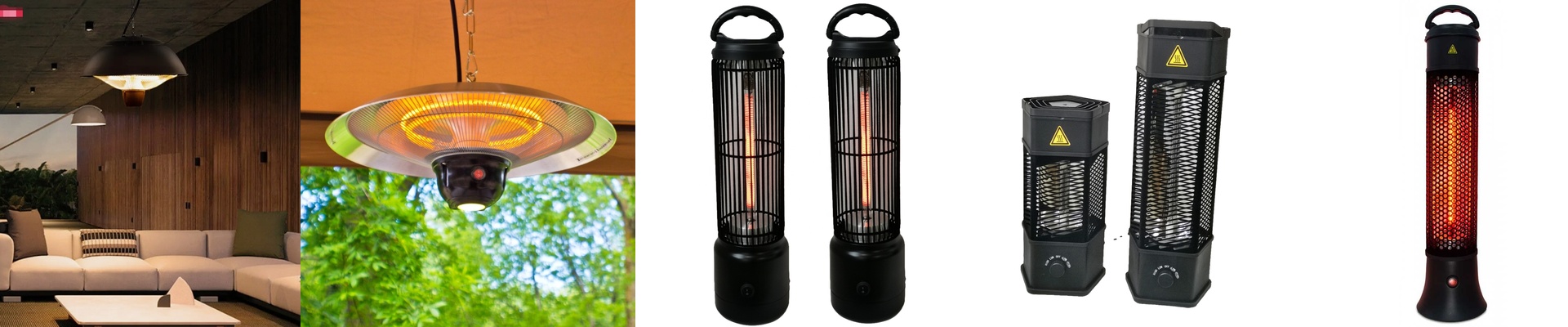
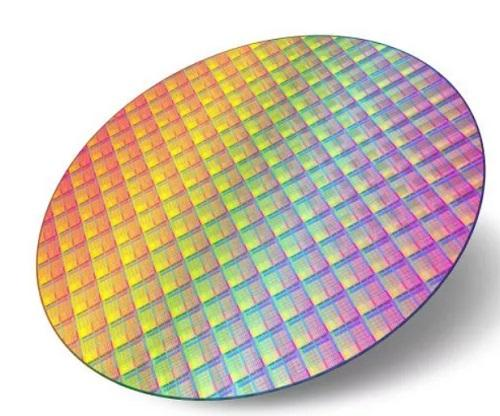
On the fab floor, photoresist bake isn’t optional—it’s your thermal budget. Push soft bake or hard bake by just 2°C and watch critical dimension control and sidewall profile drift. Wafer-level uniformity is the line between a lot that ships and one that gets scrapped. What matters under the hood We built the precision infrared heater around NIR emission and a quartz-halogen design, so it responds fast and holds steady. The number that counts is wafer-level thermal uniformity of ±0.1°C across the bake zone—measured at the wafer plane, not the heater surface. It’s cleanroom Class 1–100 compatible, thanks to low-outgassing materials and a sealed, particle-free architecture. Zero particle generation is verified with in-situ metrology during qualification runs. The system runs 24/7 with zero unplanned downtime, and repeatability is locked in by closed-loop control that keeps every cycle on spec. Why this works in lithography and packaging In lithography, you need a consistent soft bake to tune photoresist viscosity and adhesion before exposure. In packaging, the hard bake has to cure without outgassing or delamination. This heater holds the temperature profile steady, so line-to-line and lot-to-lot variation falls off. The payoff: fewer reworks, tighter CD distribution, and yield you can plan around. Energy use drops too—hit setpoint quickly, hold without overshoot, and keep the chamber’s thermal load in check. The things you’ll want to line up Installation comes down to matching the tool interface and confirming line voltage stability; repeatability depends on mains staying within ±2%. You get the best performance when the heater is aligned to the wafer plane and the reflectors stay clean. Plan a short commissioning run to map the thermal profile to your specific chuck and process stack.