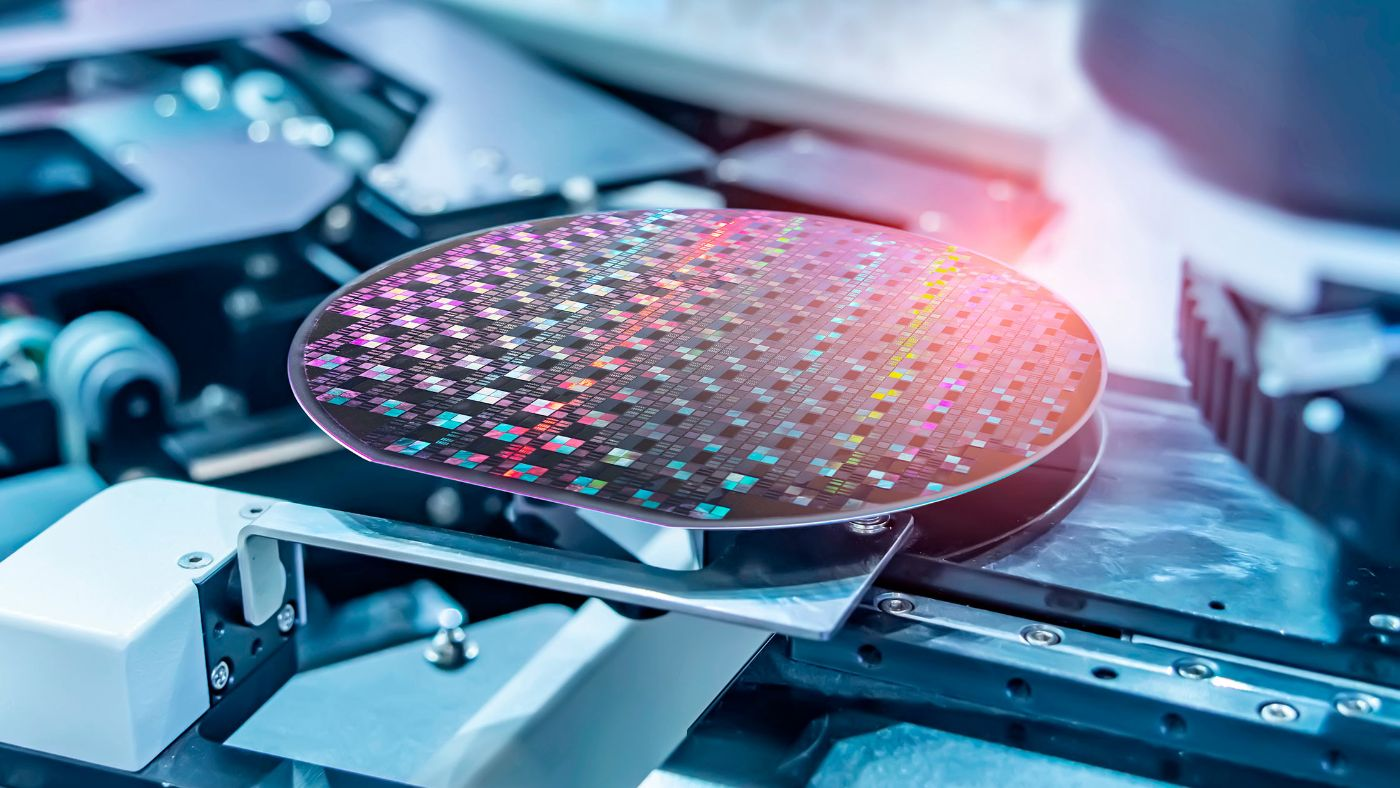
On the line, a soft bake drifting by even 0.3°C changes the photoresist profile. You immediately see it downstream as lithography overlay errors, scrap climbing, and the schedule slipping. Wafer curing lamp performance isn’t theory—it’s repeatable temperature control and keeping particle generation out of the process. What matters, technically We built the reflector around NIR wafer curing lamps, shaping the beam so the wafer sits in a sub-millimeter uniform thermal field. The geometry targets ±0.1°C across the shot, knocking out hot spots and edge roll-off. That stabilizes the thermal budget that governs photoresist soft bake and hard bake. Material and surface finish are chosen for high NIR reflectance and low outgassing in Class 1–100 cleanrooms, so particle counts stay flat. The design repeats the same profile shot after shot, which keeps process windows predictable. Why it holds up in production Repeatability comes first—same lamp output, same wafer temperature, shift after shift. That means tighter critical dimension control, fewer rework lots, and overlay that stays stable. Energy use drops because the reflector concentrates flux where it belongs, instead of dumping wasted heat onto fixtures and shields. Reliability is practical: we’ve got units running 5,000+ hours with less than 5% output drop. Less unplanned downtime, and your curing step keeps pace with the fab. Here’s what to keep in mind Installation tolerances are tight. Lamp alignment and reflector position have to be held within the specified offsets—otherwise uniformity goes sideways. The reflector is optimized for a defined NIR spectrum; swap lamp types without re-characterizing, and the thermal profile will drift. Expect a short burn-in to stabilize output. After that, set your monitor points and lock down the SPC limits.