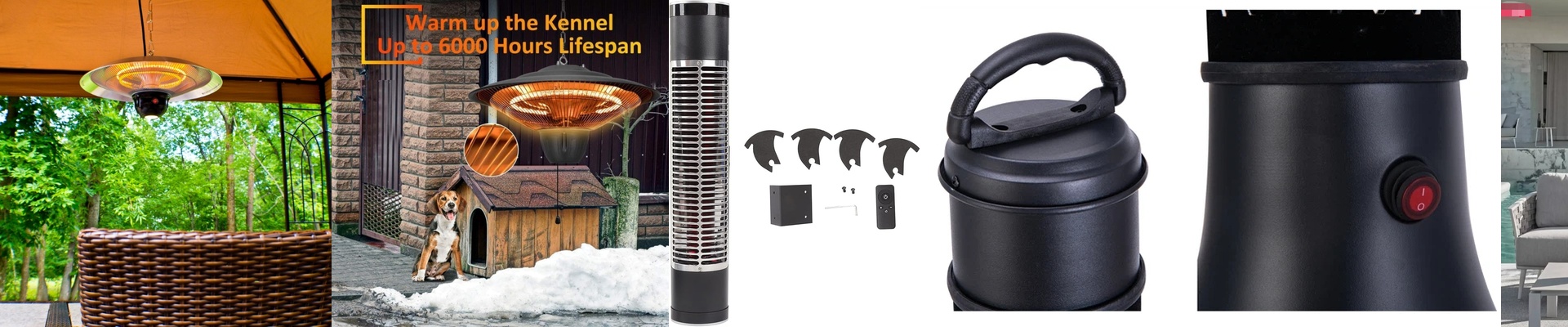
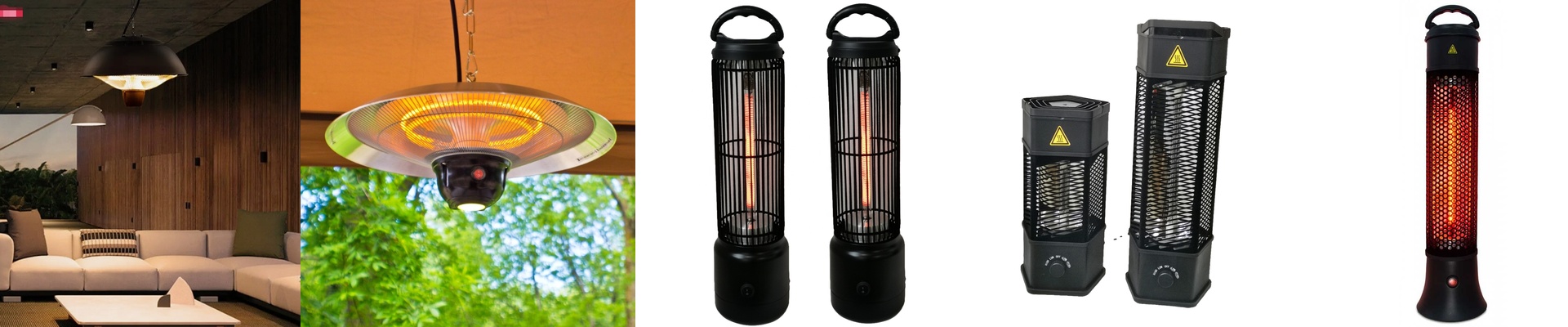
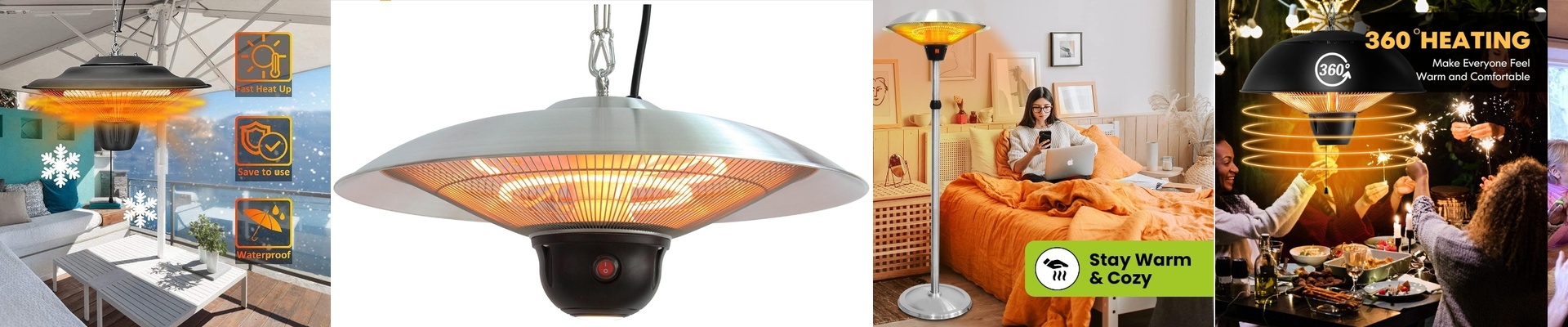
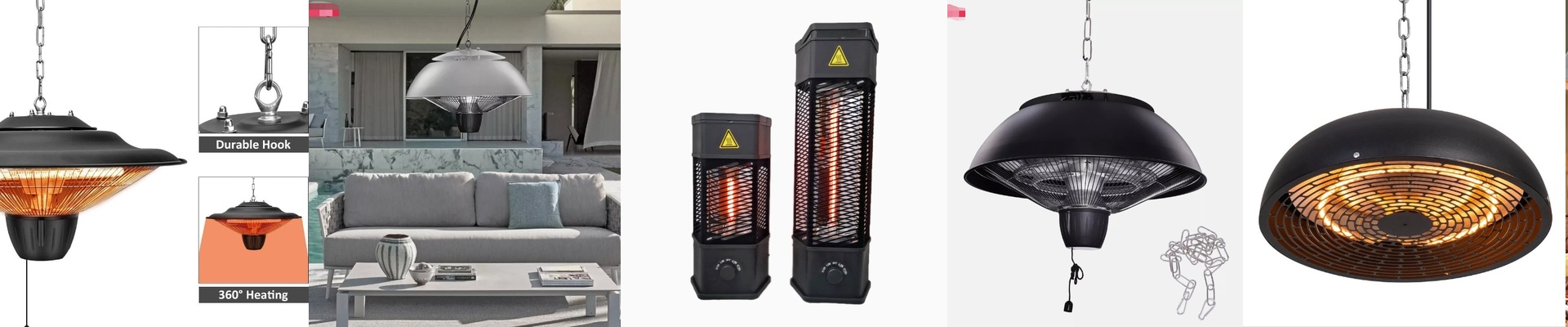
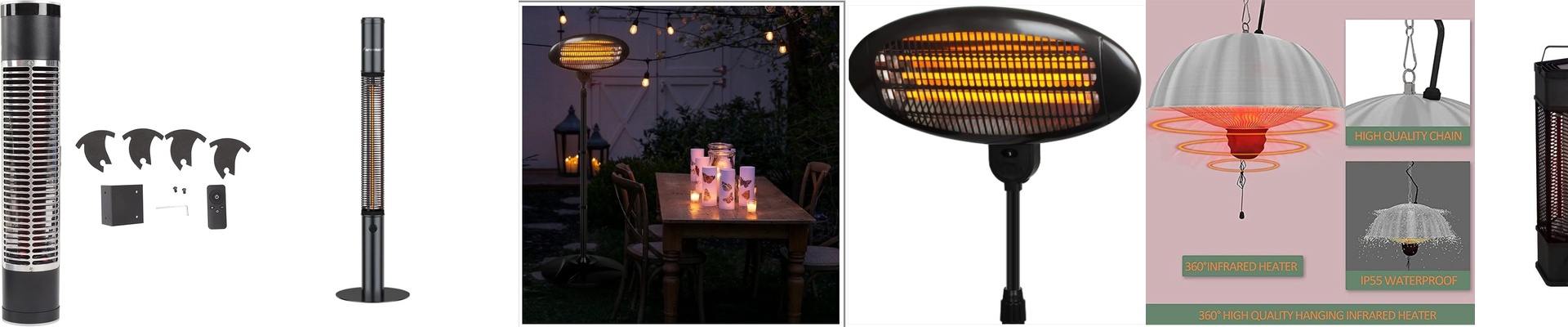
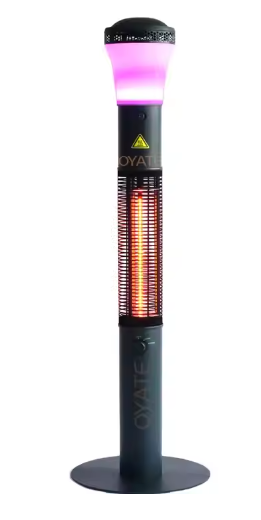
When the sun drops behind an off-grid home, the solar battery bank hums along—but that’s only half the comfort equation. Without dependable warmth, the night turns sharp fast, and sleep gets squeezed out. An electric camping heater built around infrared technology flips that script. It puts heat where you need it, when you need it, without hammering your stored energy.
What matters, technically
Infrared camping heaters don’t waste time heating air. They warm people and surfaces directly, so you feel the warmth almost the instant you switch the unit on. No waiting around for a space to “come up to temperature.” Many models run on 120V AC from an inverter. Some are engineered for 12V DC, so they can pull straight from battery banks that are commonly paired with solar PV systems. Size the output to your space—typically between 1,500W and 3,000W—and look for a thermostat for steady comfort, plus tip-over protection for safety. Carbon fiber and quartz tube elements are common here because they deliver fast radiant heat and stand up to repeated on/off cycles.
Why this pairing works
Solar PV handles generation; infrared handles targeted heat. Because infrared warmth is directional, you can keep the living area comfortable while the unused corners stay cooler. That keeps total energy draw predictable. Match the heater to a properly sized battery bank and inverter, and you can run it off stored solar through the evening. The payoff is fewer generator hours, quieter nights, and a space that stays genuinely cozy.
The practical details
Off-grid comfort is about balance. A 2,000W infrared heater pulling from a 5kWh battery bank can run about 2.5 hours at full power—less in cold weather when heat demand climbs. Plan for battery capacity, inverter wattage, and wiring gauge, and make sure the heater’s voltage rating lines up with your system. Most camping electric heaters are meant for sheltered outdoor-use areas. Check the IP rating, and keep the unit protected from direct rain and wind. With thoughtful sizing, solar and infrared can deliver dependable warmth—without the noise and fuel stops that come with a traditional generator.