
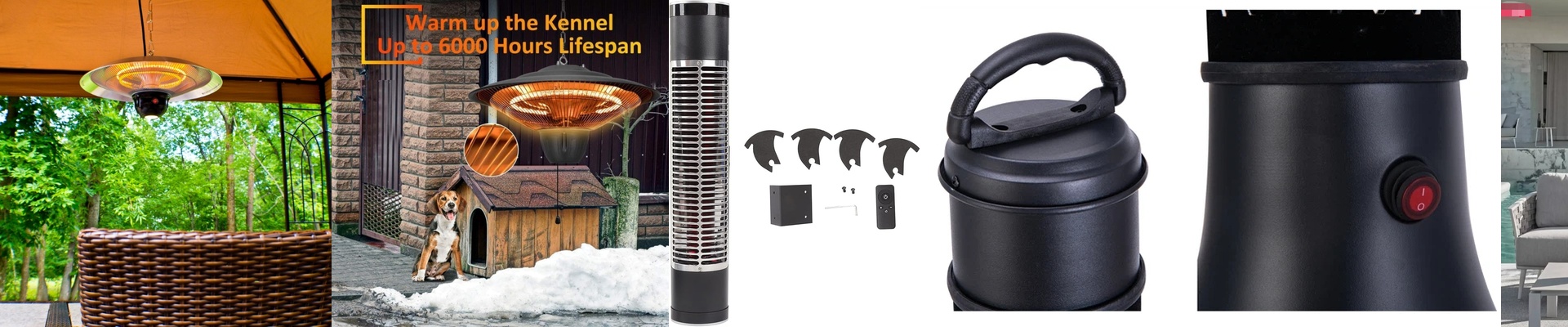
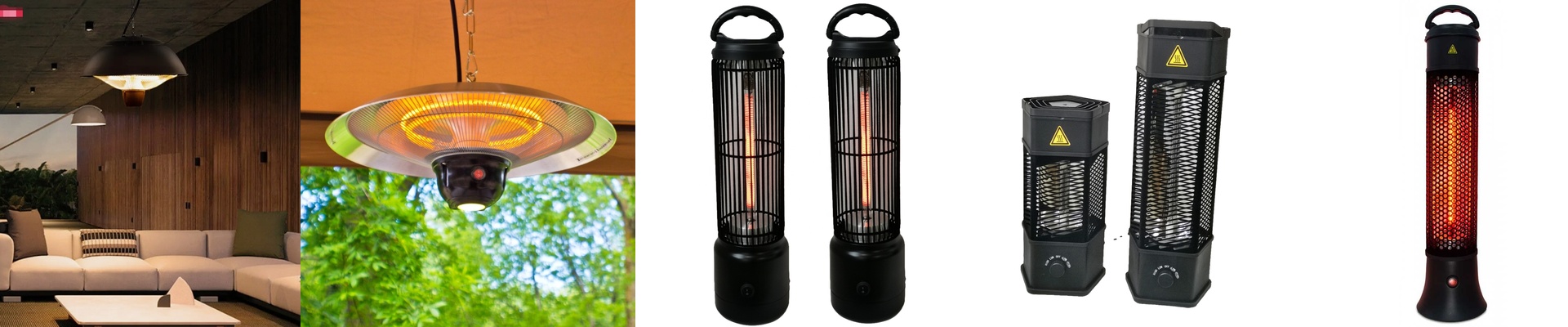
Stand in a cold garage, wind working under the door and drafts cutting across the bench, and you learn fast what an ordinary electric heater misses. The air might warm up, but your hands stay stiff. For an auto tech, that cold bite drags every task—tightening a bolt, judging a finish, reaching into a tight spot.
What matters, technically
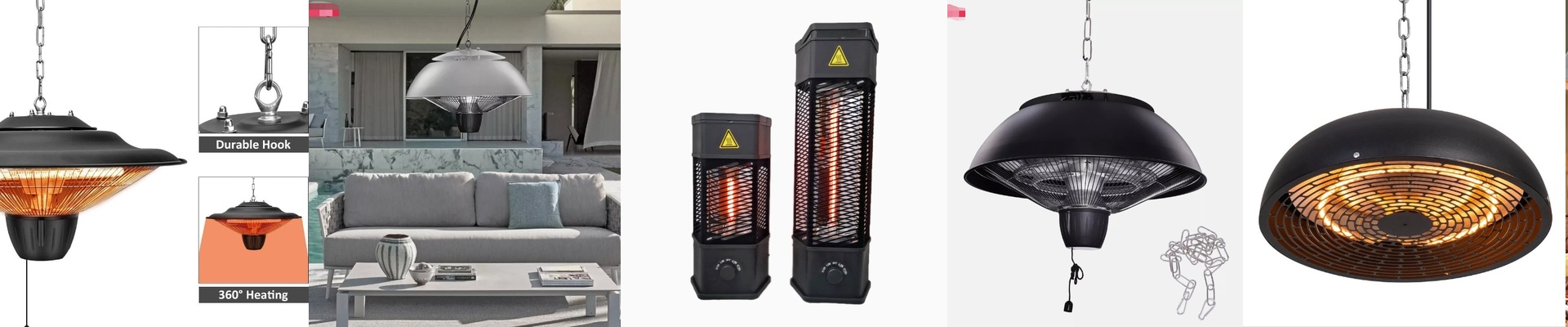
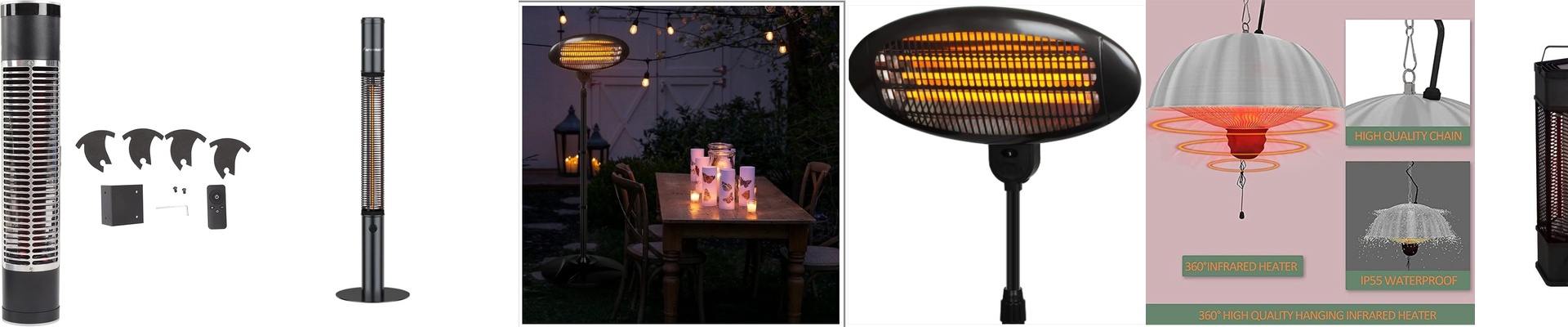
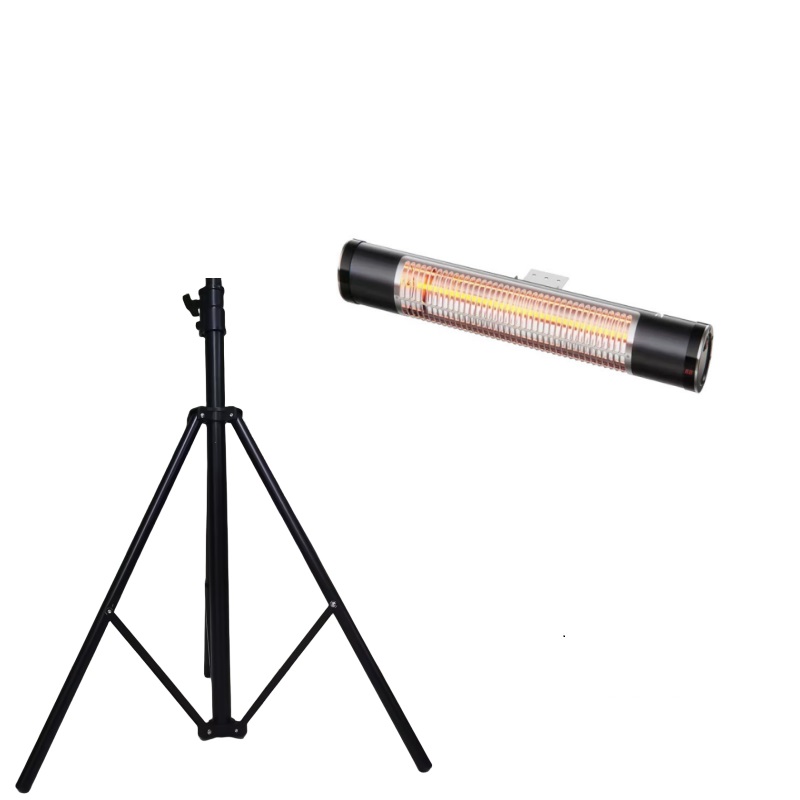
This dimmable patio heater runs on radiant infrared warmth, using a quartz tube element. Instead of trying to heat the whole garage, it sends heat straight to people and objects in its path. You feel warmth immediately, not after waiting for the room to catch up. The dimming control lets you match output to the job. Crank it high for a cold engine inspection, then back it off once you settle into a longer service. In practice, that means fewer temperature swings, less overheating, and steady comfort right where you need it.
Why it works in a shop
In a workshop, you want heat that stays local. Radiant infrared warms the work area without pushing air around, so you don’t stir up dust and the space feels calmer. With a focused warmth zone, your hands stay warm and responsive—better feel, finer control. That can keep your pace steady and cut down on rework. And because the heat is directed, you’re not paying to warm the entire volume of the garage, which helps keep operating costs in line.
What you need to know
This electric heater is built for outdoor and workshop use, but it still needs the right setup. Respect the clearances, and position it so the beam reaches the workstation without shining straight into eyes. Most models plug into a standard outlet, but if you’re running long cords or running multiple heaters, a dedicated circuit prevents nuisance tripping. One practical point: radiant heat delivers comfort fast, but it drops off once you step outside the warmth zone. Keep the work area centered in the heating pattern for the best result.