

Keeping Your Class 100 Cleanroom Actually Clean During Wafer Heating
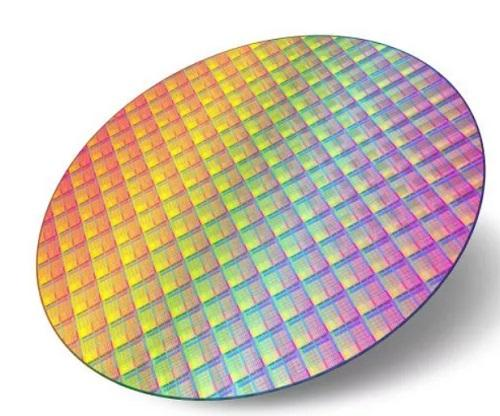
If you’re heating semiconductor wafers, you already know that temperature control is only half the battle. The real nightmare? Particles. In a Class 100 environment, one tiny flake shedding off a heating element can kill your entire yield. It’s frustrating, and it’s expensive. That’s why we stick with high-purity synthetic quartz for our infrared lamps. It just removes that risk from the equation.
Why the material matters
Here’s the thing: standard glass or cheap quartz can’t handle the heat. When they get stressed, they start to outgas or, worse, flake. You end up with microscopic shards or chemical vapors drifting right onto your wafer. We use high-purity quartz because it doesn’t crystallize or degrade on the surface. Plus, since infrared radiation sends energy straight to the substrate, you don’t need forced air. That means no wind blowing contaminants all over your workspace. It’s quiet, clean, and predictable.
Getting the heat right
We’ve tweaked these lamps for fast ramp-ups and precise soak times. By playing with the tungsten filament density and the thickness of the quartz wall, we can dial in the exact spectral output you need. If you need raw power for fast processing, the high-wattage setups deliver. But a quick heads-up: make sure your chassis venting can actually handle that kind of radiant heat. If your cooling is too weak, you’ll start seeing “heat creep” messing with your sensors, which is a headache you don’t want.
Installation and the “Golden Rule” of Quartz
We kept the connectors standard, so these should slide right into your existing heating rigs without any fuss. We also put a lot of work into the seals at the end-caps—that’s usually where the leaks happen, so we shut that door tight. But here is the most important part:Do not touch these lamps with your bare hands. Quartz is brittle, but it’s also sensitive. The oils from your skin create hot spots that will burn the lamp out way too soon. Grab some lint-free gloves and some isopropyl alcohol for cleaning. Treat them right, wire them up correctly, and these lamps will stay stable for thousands of cycles without dropping a single particle.