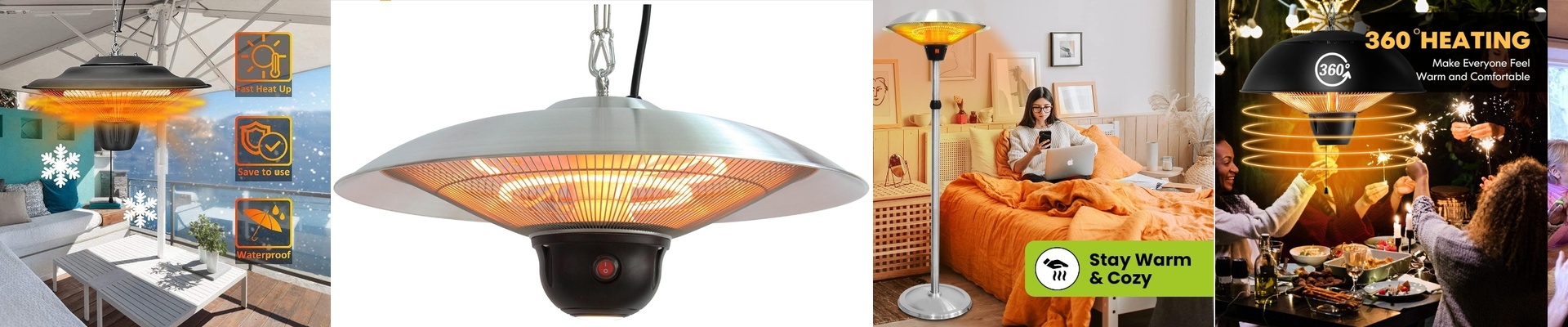
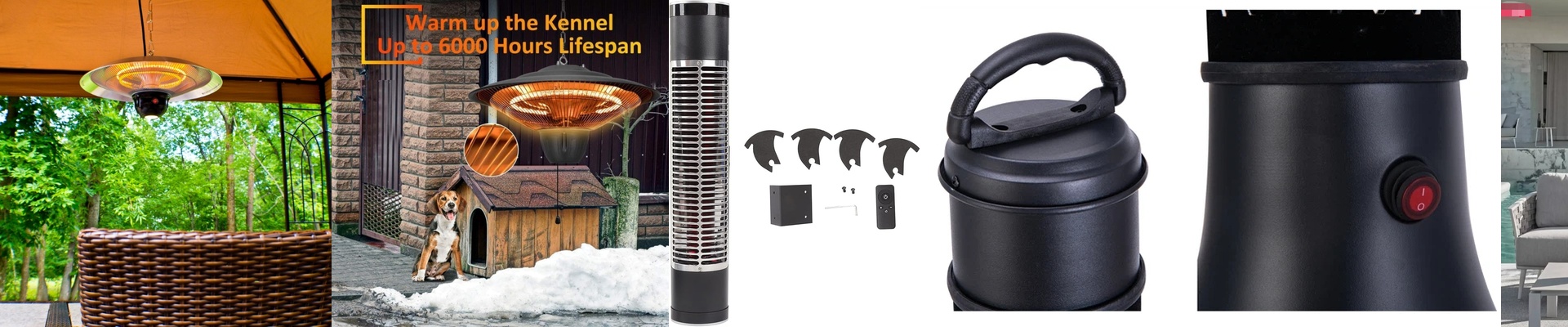
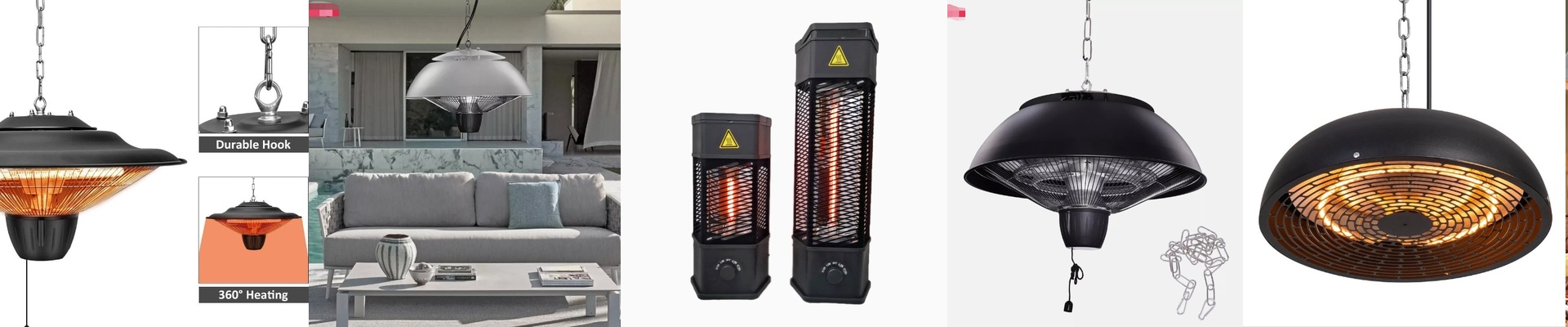
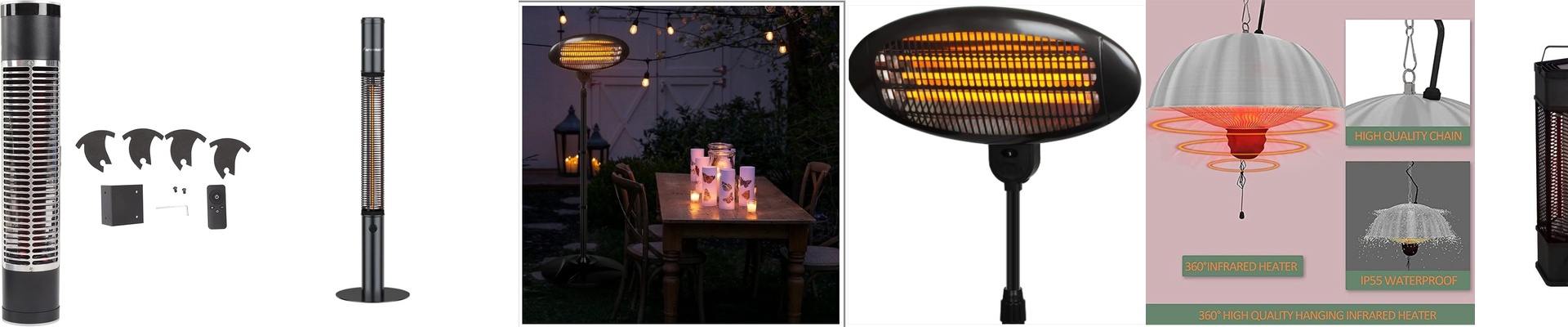
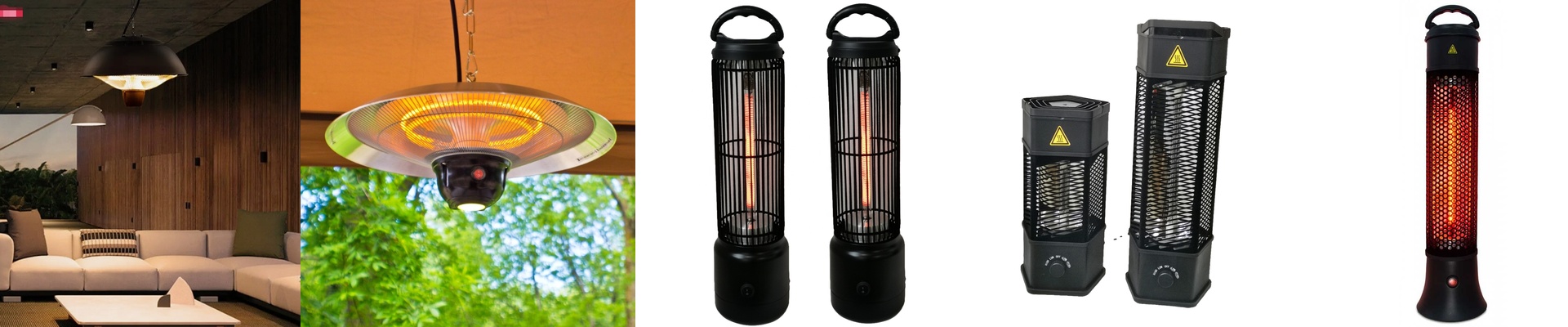
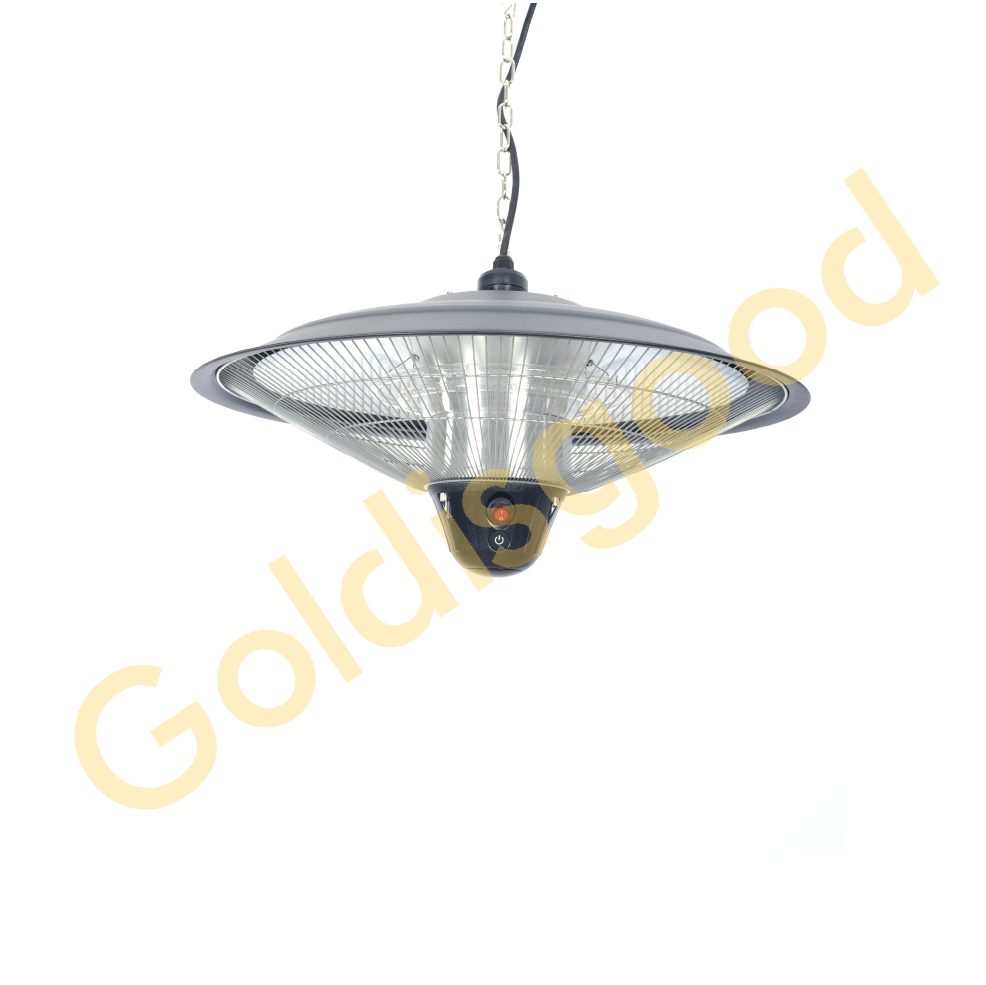
How to Keep Bathroom Infrared Heaters from Becoming a Hazard
Putting infrared lamps in a bathroom is a bit of a gamble if you aren’t careful. You’ve got constant steam and dripping water everywhere. In a place like that, a basic heating element isn’t just a bad choice—it’s a liability. You need a setup that keeps the electricity exactly where it belongs and stops water from creating a shortcut to the ground.
Getting the Insulation Right
The secret is all in the materials. To stop short circuits when the air is thick with steam, we use high-grade ceramic insulators at the ends of the lamps. Why ceramics? Because they don’t soak up water. We pair those with sealed gaskets that lock the lamp tight into the housing. It’s like a seal on a thermos; it keeps the steam out. Then there’s the wiring. You can’t just use any old cable. We go with silicone-insulated wiring. It can take the heat from the lamp without cracking or peeling, even when the humidity is through the roof. If that insulation fails, you’re looking at a ground fault, and nobody wants that in a shower.
The Battle Between Heat and Water
Here’s the tricky part: waterproofing usually means trapping heat. If you seal a lamp too tight to keep the water out, you’ll probably cook the internal electronics. We handle this with an IP-rated enclosure that actually breathes. It has a controlled vent that lets the hot air escape, but uses a baffle to make sure stray water droplets don’t land right on the electrical junctions. You can’t just throw a waterproof cover on a heater and call it a day. You have to think about the airflow. If it’s too airtight, the lamp will just heat-soak and burn out way too early.
Real-World Installation
When it comes time to actually wire these things up, don’t get lazy with the terminal blocks. Tighten them to the exact torque settings. A loose connection creates arcs, and in a damp room, an arc can turn into a full-blown short circuit fast. And a pro tip: use heat-shrink tubing on every single solder joint. It’s a small, simple step, but it keeps the moisture off the copper and gives you a lot more peace of mind.