

Getting Your Vacuum Chambers Up to Speed with IR Heating
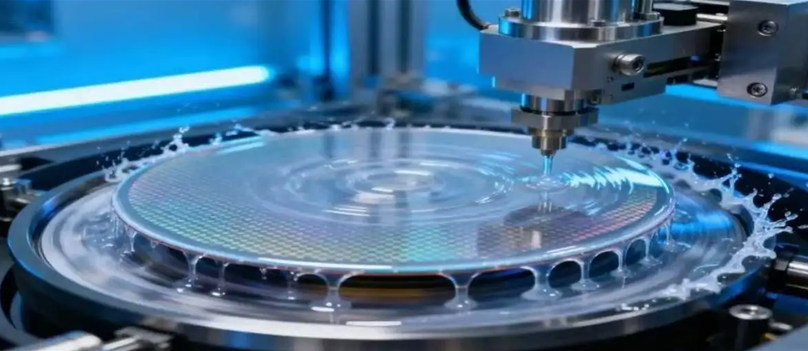
If you’re planning a smart Fab, you’ve probably realized that handling heat is a whole different ballgame. When you’re working in a vacuum chamber, you can’t rely on air to move heat around—convection just isn’t happening. You’re left with radiation. That’s why infrared (IR) is the go-to. It lets you heat the substrate without needing a medium in between.
Making Heat “Smart”
A smart Fab is really just a fancy way of saying you want better data. The problem with old-school heating elements? They’re sluggish. They take forever to react. We use short-wave IR lamps because they’re snappy. You change the voltage, and they respond almost instantly. When you hook those up to a closed-loop PID controller, you get a level of control that feels intuitive. You can see the thermal map in real-time and hit your temperature ramps exactly where they need to be. If you’re worried about wafer stress, this is how you avoid those nasty overshoots.
The Catch (And How to Handle It)
Now, here’s the thing. High-density IR arrays dump a massive amount of energy into the substrate. It’s great for slashing your cycle times, but it’s not “free” energy. All that heat puts a real strain on your cooling jackets. If you go for a high-wattage system but forget to beef up your chilled water flow, you’re going to deal with thermal drift in your chamber walls. It’s a classic trade-off: more power means you need a better way to keep the rest of the machine cool.
Why This Actually Works for Production
We design these systems to be modular. Why? Because lamps eventually burn out. You don’t want to spend your entire weekend recalibrating an entire array just because one bulb popped. You want a drop-in replacement that just works. Plus, since everything is digital, your PLC can keep an eye on the lamp hours. It’ll give you a heads-up before a failure actually kills your production line. It turns maintenance from a frantic “everything is broken” scramble into a calm, scheduled task. It’s fast, it’s compact, and it actually keeps up with a digitized line.