
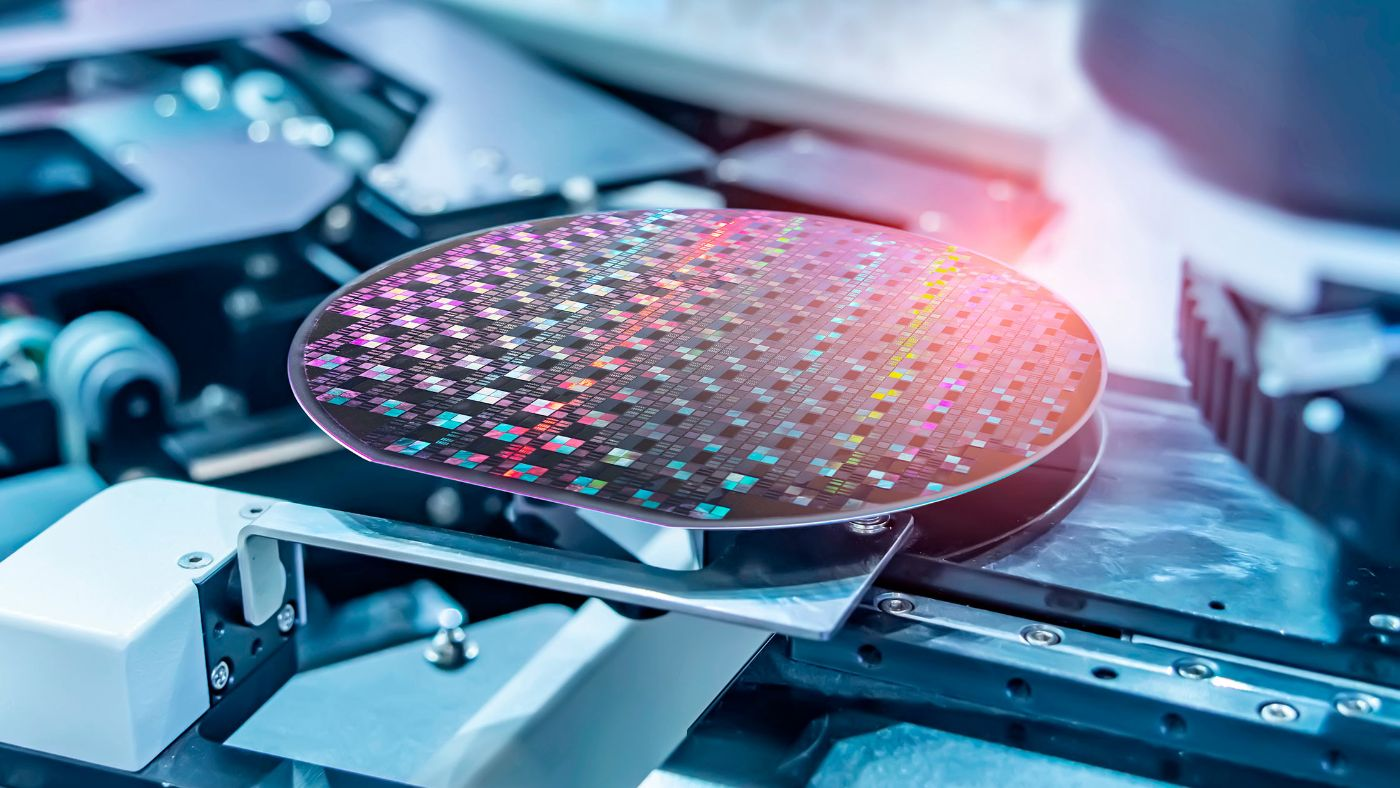
Keeping Your IR Wafer Drying from Going Boom
Let’s be honest: drying MEMS sensor wafers after a chemical clean is a nerve-wracking process. You’ve got heating elements sitting right in the middle of flammable, explosive solvent vapors. Standard IR lamps? They aren’t built for this. If you use a basic lamp in that environment, you’re basically asking for an ignition event. That’s why we build our lamps with a very specific kind of encapsulation. It’s all about keeping the heat in and the danger out.
How we stop the sparks
Here’s the thing about chemical cleaning: the second a spark or a hot surface hits the “lower explosive limit” of your solvent, you have a massive problem. To stop that from happening, we tuck the heating element inside a high-purity quartz envelope. But we don’t stop there. We add a second hermetic seal right where the electrodes meet. This keeps those nasty chemicals from seeping into the internal circuitry. We also use specialized glass-to-metal seals and adhesives that don’t off-gas. Even if your chamber is absolutely saturated with VOCs, the electrical arc stays locked away where it belongs.
Balancing heat and stability
When you’re drying wafers, you need a lot of heat, and you need it fast. We tune these lamps to ramp up quickly so you can flash-dry the surface without accidentally melting your MEMS structures. But there’s a catch. All that power creates a lot of stress. The lamps expand and contract constantly. If your cooling system isn’t up to the task of managing the housing temperature, those seals will eventually start to give way. My advice? Get a strict maintenance schedule. Check for hairline fractures in the quartz. It’s a small habit that saves you from a huge headache.
Real-world setup on the shop floor
Once you start wiring these in, remember that the connection points are usually the weakest link. We use reinforced connectors that lock tight. Why? Because vibration can loosen a connection, and a loose connection causes micro-arcing. In an explosive atmosphere, that’s a recipe for disaster. Swapping out a lamp is pretty straightforward, but please—double-check the seal seating every single time. Even a gap of a few millimeters can kill the safety rating of your entire drying module. It only takes a second to check, and it’s the most important part of the job.