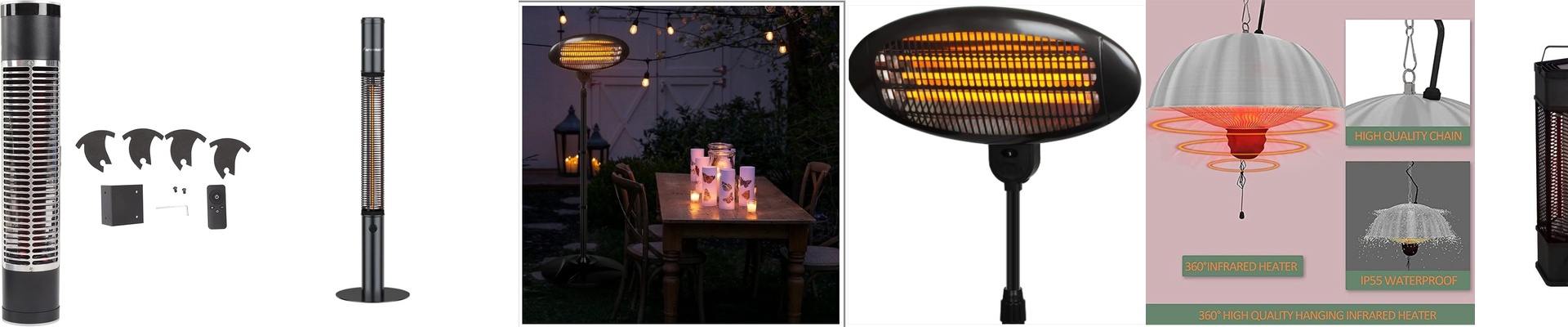
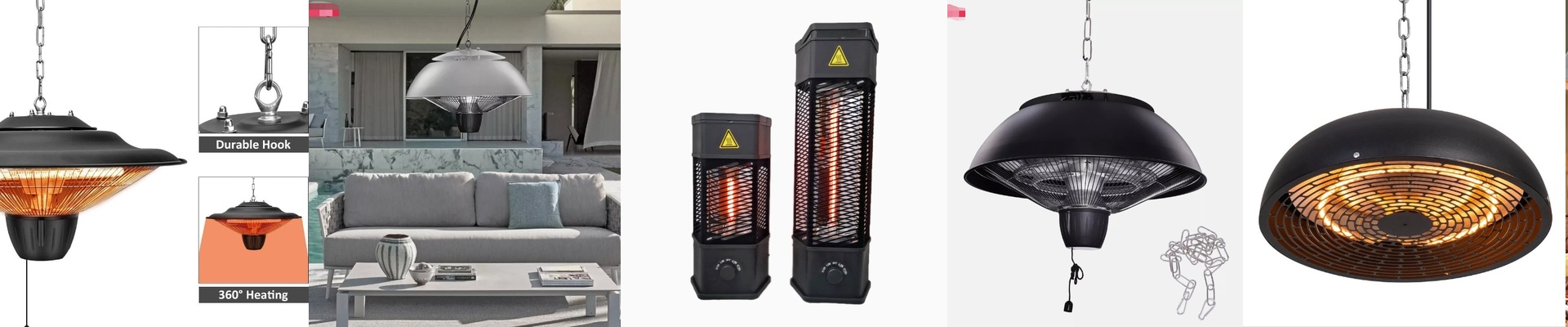
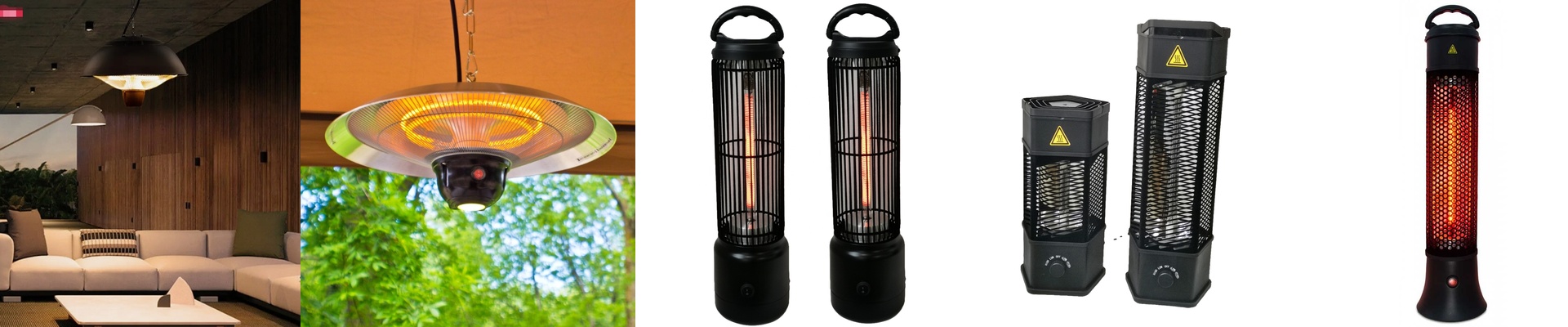
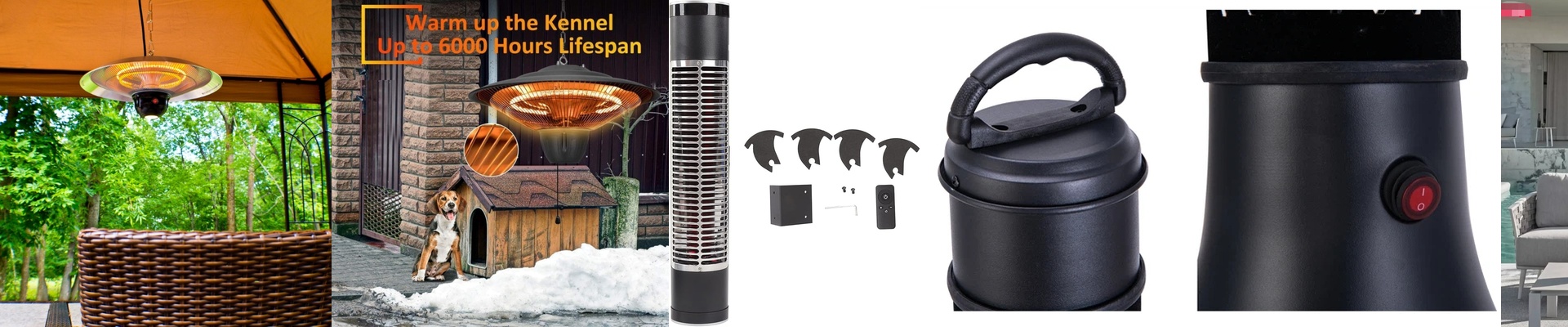
On the fab floor, soft bake and hard bake aren’t just “thermal steps.” They’re yield knobs. A 1°C drift across the wafer during lithography bake will move critical dimensions, and particle generation during heating can kill die before you even get to dicing. You need a heater that respects the thermal budget and plays by cleanroom rules. We built our fab assembly workshop heater around short-wave infrared quartz emitters and a forced-air recirculation plenum. That’s what keeps wafer-level uniformity within ±0.1°C across the bake zone. Temperature repeatability is ±0.5°C, so the same thermal profile shows up lot after lot. Chamber materials are low-outgassing, and the air path is HEPA-compatible, keeping you inside Class 1–100 particle discipline. Zero particle generation isn’t a slogan—it’s enforced by internal filtration and surfaces that don’t trap crud in crevices. Energy draw is calibrated to the process window, so you’re not heating unneeded thermal mass and operating cost stays predictable. Fab assembly means photoresist bakes with tight time-temperature windows and frequent product switches. This heater locks the bake curve so soft bake and hard bake stay in spec—fewer CD drifts, better line yield. Cleanroom compatibility keeps particle counts down, and that matters on advanced nodes. It’s engineered for 24/7 operation, with continuous-duty components and service intervals planned around preventive maintenance, not surprise downtime. The unit needs a dedicated, stable power feed and a cleanroom-compliant exhaust tie-in. Retrofits will vary by line layout and may require short outage windows. Match the tool interface and gas panel to what you already have. We provide dimensional drawings and a commissioning checklist to keep integration straightforward, but plan the utility drop early—otherwise it’s going to drag production into the work.