
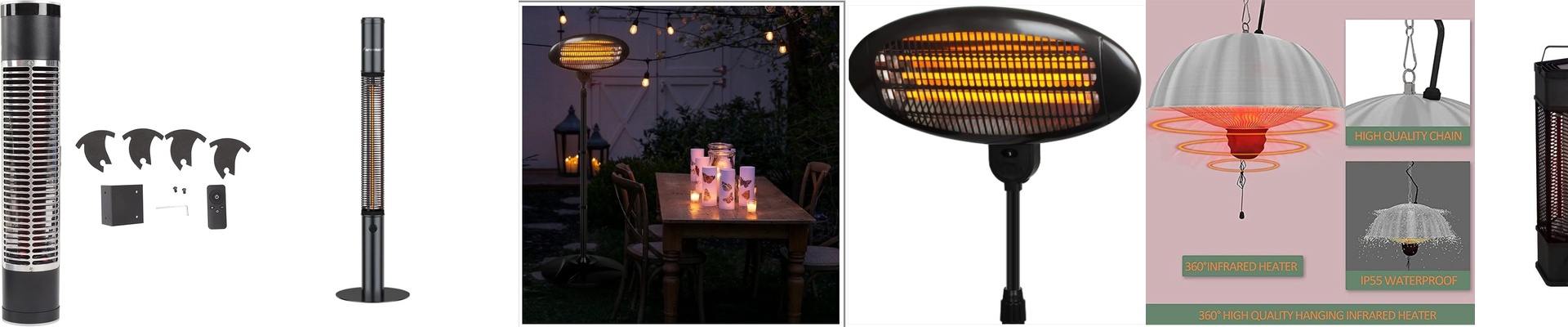
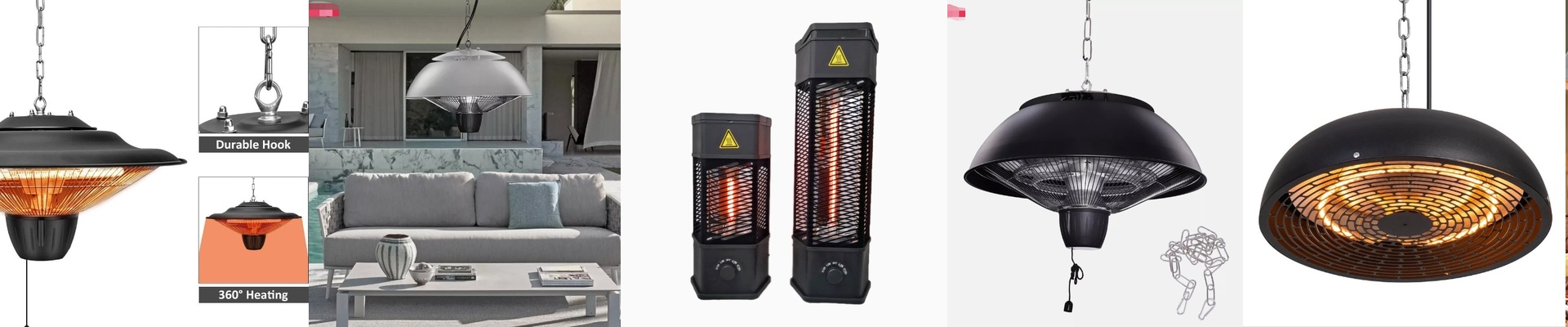

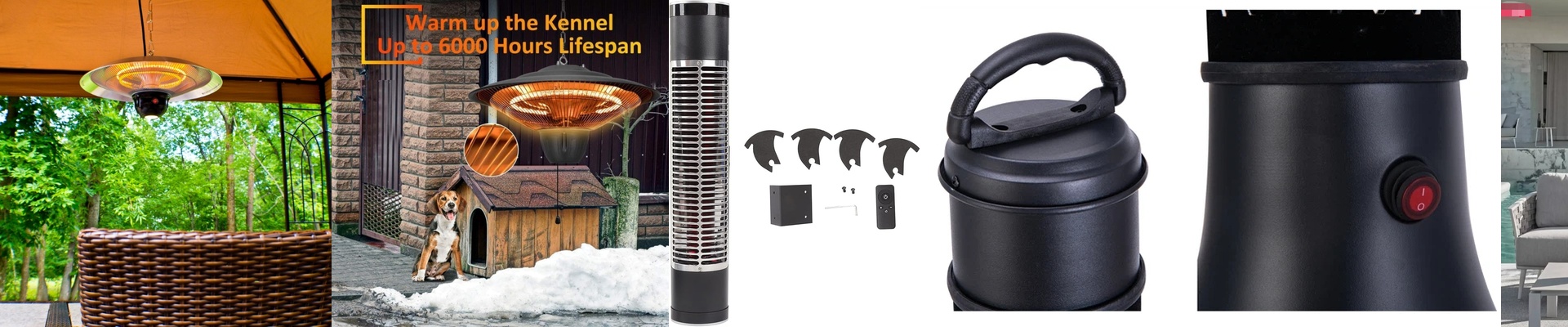

Stop Renting Scissor Lifts Just to Fix a heater
Most workshop heaters are “set it and forget it” until they break. Then, you’re in trouble. If you’ve got high ceilings, replacing one dead heating element usually means renting a lift, blocking off your floor, and killing a full day of production. It’s a nightmare. We got tired of that, so we changed how these things are built.
The “Plug-and-Play” Approach
Instead of those old-school, hard-wired arrays where everything is fused together, we went with a modular chassis. Think of it like a toaster. Each heating element has its own slot and quick-disconnect terminals. If a tube burns out five years from now, you don’t have to rewire the whole system. You just pull the dead module out and pop a new one in. It turns a day-long headache into a five-minute job.
The Trade-offs (Because Nothing is Perfect)
To make this work, we had to make some choices. Using modular sockets means the heater is a bit bulkier than something with a soldered board. Plus, more connection points usually mean more places for oxidation to creep in. But we handled that. We used gold-plated contacts and heat-resistant polymers that won’t warp or melt, even when the heat is cranking. It’s a small price to pay for not having to call in a specialist every time a bulb goes.
Real World Maintenance
Let’s be honest: quartz tubes don’t last forever. They dim. They crack. That’s just how they work. The difference here is who has to fix it. Instead of paying a specialized electrical contractor to come out and charge you a fortune, your own on-site team can handle it. No fighting with rusted screws. No stressing over brittle, crumbling wires. You just pull the clip, slide out the old tube, and you’re back in business. It keeps your gear working for you, rather than becoming just another thing on the “broken” list.