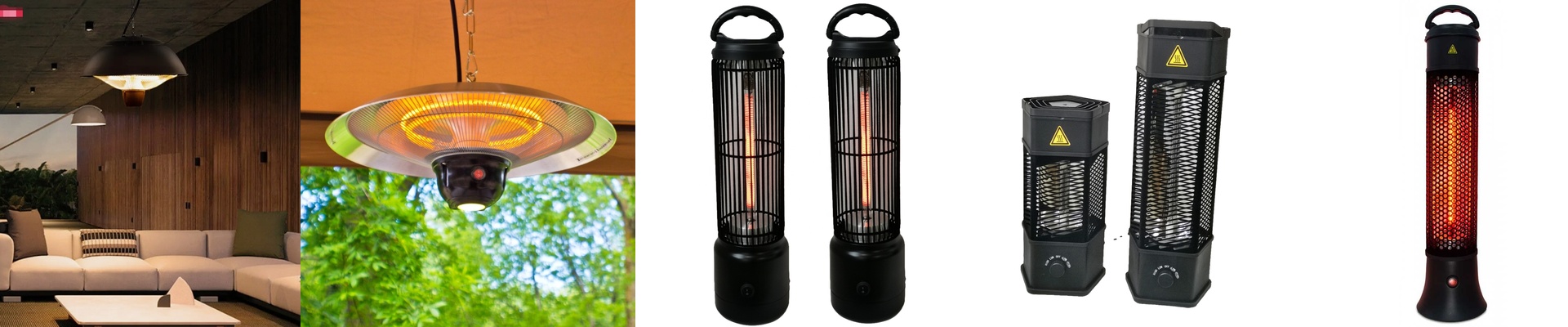
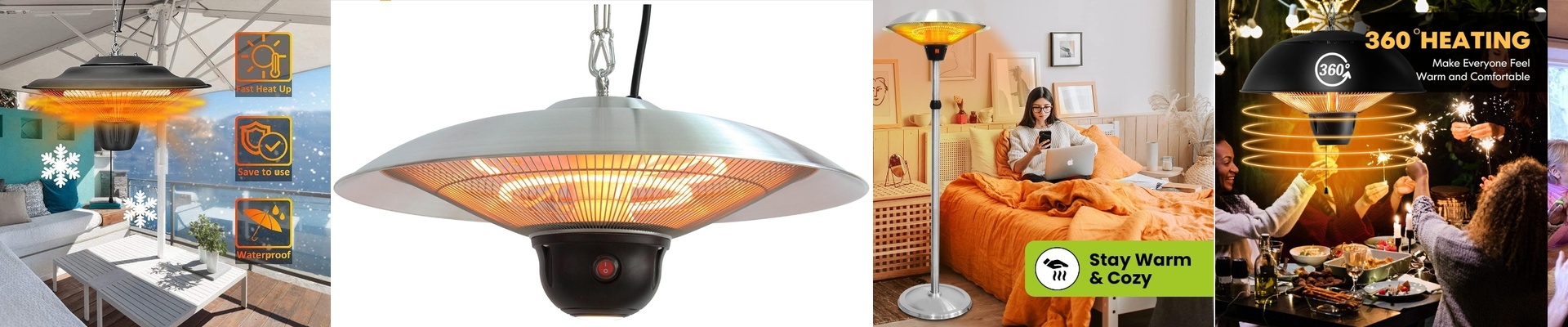
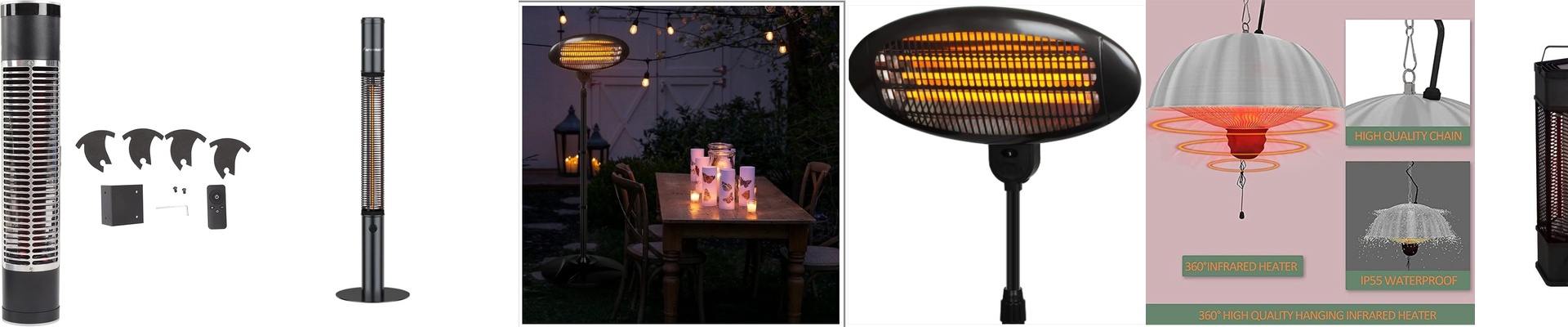
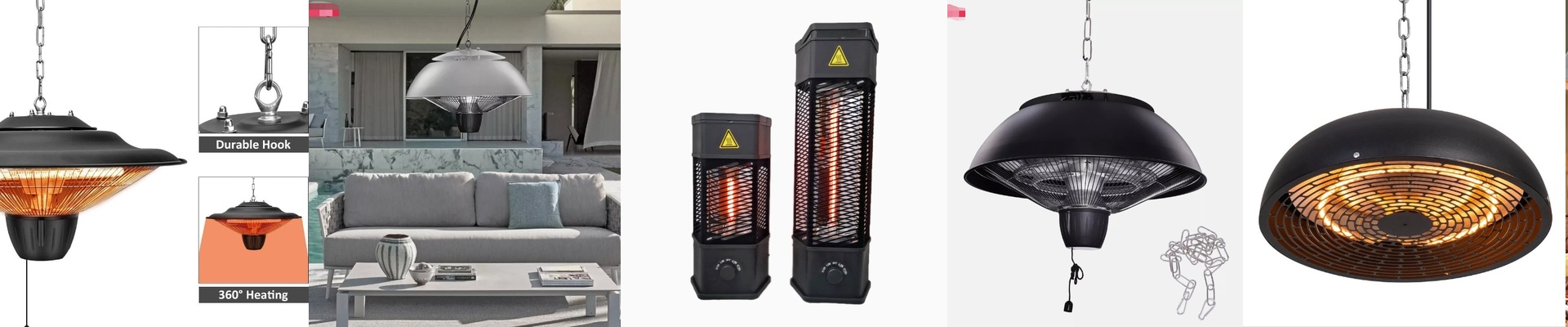
Keeping Bathroom Infrared Heaters Safe (and Your Customers Dry)
Putting an infrared heater on a high bathroom ceiling sounds simple, but there’s one big problem: steam. In a humid bathroom, water vapor doesn’t just sit there. It creeps into everything. It acts like a bridge for electricity, creating tiny paths for current to leak where it shouldn’t. If you don’t account for that, you’re looking at short circuits or, worse, someone getting a shock while they’re stepping out of the shower.
How we stop the leaks
We don’t take chances with insulation. We use a double-layered approach. First, the heating element lives inside a high-purity quartz tube. Then, we wrap that in a shell—either a non-conductive polymer or powder-coated aluminum—that won’t corrode. We push the insulation strength way past the basic safety requirements because we want that outer chassis to stay completely “dead.” But here is the real secret: it’s all about the connections. Most heaters fail at the joints. If you use standard open-wire terminals, the humidity will eat them alive. You’ll get oxidation, then sparks, then a dead heater. To stop this, we use IP65-rated sealed connectors and silicone gaskets at every single entry point. It basically turns the wiring into a fortress that steam can’t penetrate.
The safety net
We wire everything with a dedicated earth ground. But even with the best insulation in the world, things happen. That’s why a GFCI (Ground Fault Circuit Interrupter) is a non-negotiable. If the insulation ever fails, the GFCI kills the power in a fraction of a second. It’s the ultimate “better safe than sorry” move.
The trade-off (The “Hidden” Cost)
There’s a catch. When you seal a unit this tightly to keep moisture out, you’re also trapping heat inside. Since the air can’t flow freely to cool things down, the internal temperature spikes. If you use cheap PVC wiring, it’ll melt. Period. To fix this, we use high-temperature fluoropolymer (PTFE) leads. Yeah, it makes the bill of materials a bit more expensive. But it’s the difference between a heater that lasts for years and one that burns out after six months of steamy showers.