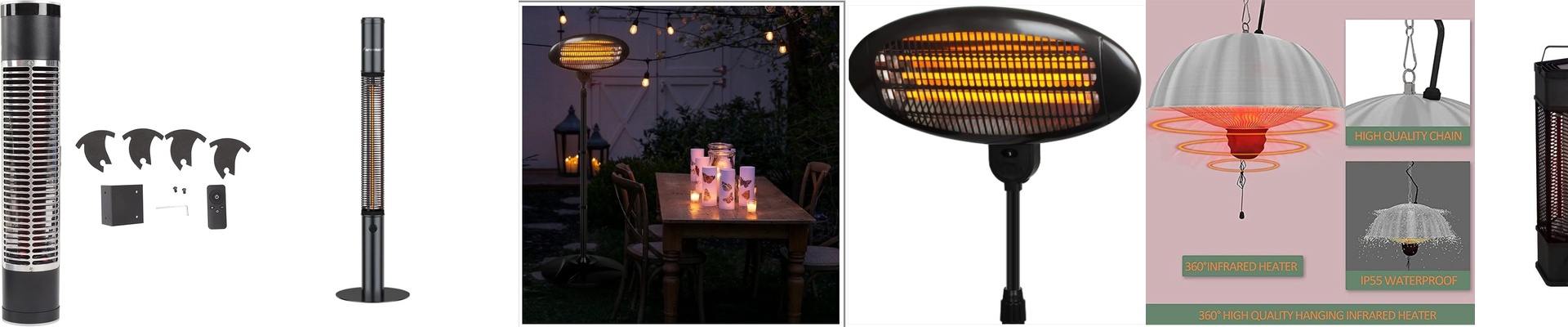
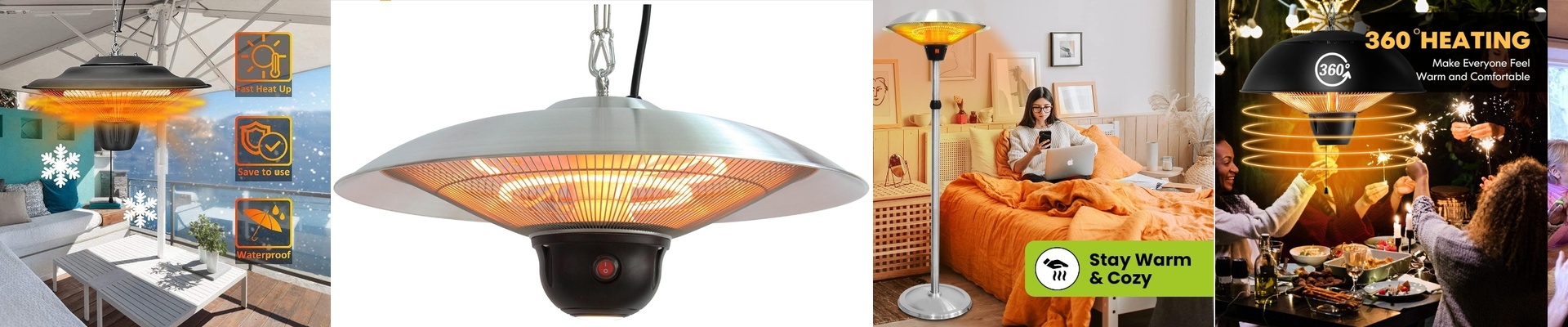
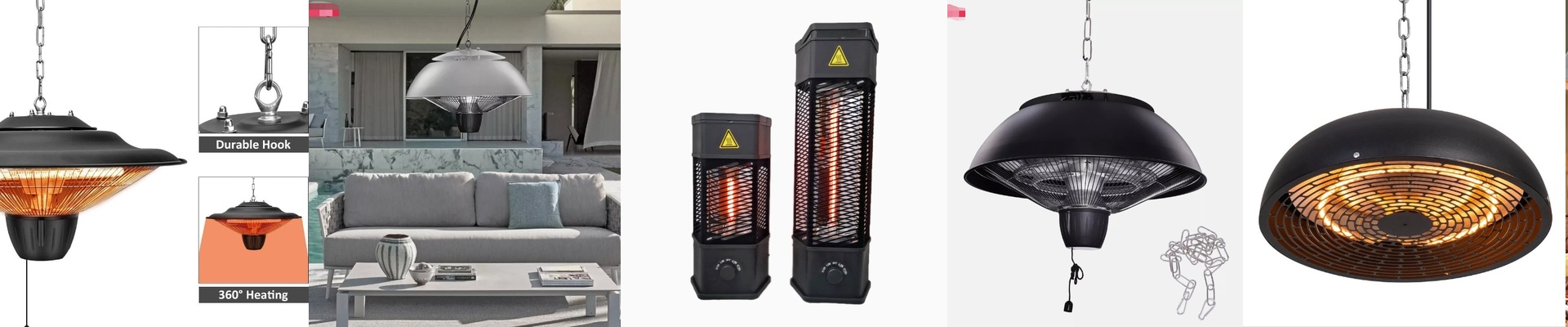
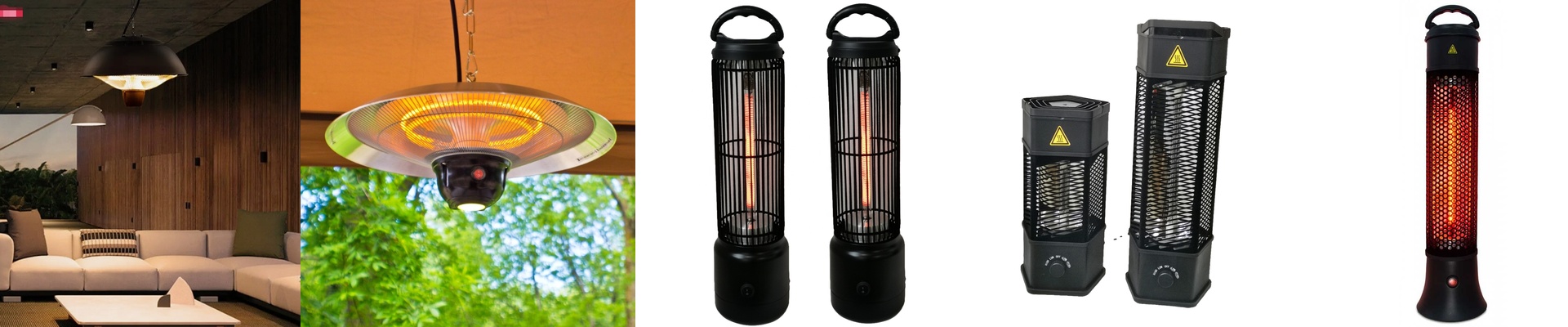
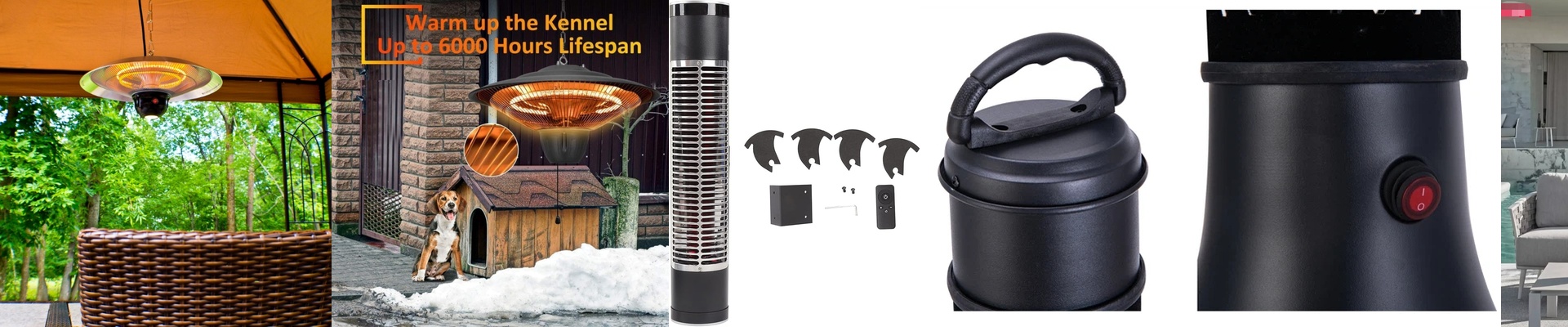
Making Ceiling Infrared Heaters Actually Comfortable
When we design infrared heaters for bathrooms, we run into one big problem: the glare. Standard short-wave lamps are basically blinding. Now, imagine being in a bathroom—maybe you’re drying off or bathing a baby—and you look up. That harsh, bright light isn’t just annoying; it’s hard on the eyes. Nobody wants to feel like they’re staring into a welding torch while they’re trying to relax.
Fixing the Light
So, we changed how the light works. Instead of using basic, uncoated quartz, we use special coatings or tweaked filaments. Think of it like putting a filter on the light. We block out those aggressive blue and green wavelengths and push everything toward the mid-to-long wave range. The result? A soft, warm glow. You still get that deep, cozy heat on your skin, but without the blinding brightness. It feels natural.
The Nitty-Gritty Stuff
Under the hood, these usually run on 220V or low-voltage setups. We use high-purity quartz glass because it can handle the “shock” of heating up and cooling down quickly without cracking. To keep the heat moving in the right direction, we use polished aluminum or gold-plated reflectors. This pushes the warmth down toward you and keeps the ceiling housing from getting too hot. One thing to watch out for:ventilation. These lamps pack a lot of heat into a small ceiling cutout. If there isn’t enough airflow, the thermal cutoff switch will kick in and shut everything down. It’s a safety feature, but it’s a pain if it happens because of a poor install.
Real-World Installation
Since this is a bathroom, moisture is the enemy. We use IP-rated enclosures and connectors that won’t short out when things get steamy. Here is the trade-off: by filtering the light to make it safe for your eyes, we lose a tiny bit of that raw heating power you’d find in a massive industrial lamp. But honestly? In a home, that’s a trade we’re happy to make. Safety and comfort win every time.