

Getting Hydrogen Sensor Heat Right: Why IR is the Way to Go
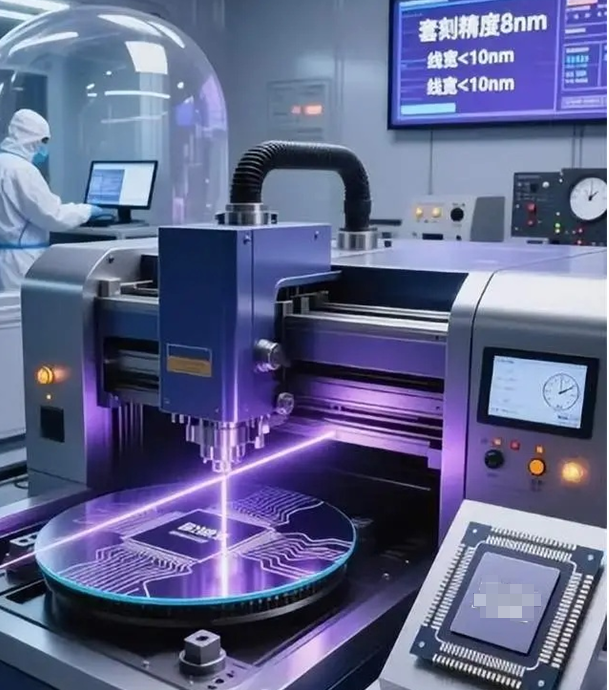
Making hydrogen sensors is a bit of a balancing act. You need just the right amount of heat to get those catalyst layers active and the membrane electrolytes stable. If you’re still using old-school convection ovens, you’re basically trying to perform surgery with a sledgehammer. That’s why we’ve moved toward high-density infrared (IR) systems. Instead of heating the whole room, IR lets you put the energy exactly where it needs to go. It’s the only real way to keep your tolerances tight enough so the sensors actually stay sensitive. The Magic of Targeted Heat We use short-wave IR emitters that hit the specific absorption bands of the sensor substrate. Translation? The heat goes into the sensor, not the chassis surrounding it. If you’re building a digital production line, these systems plug right into your PLC via modulated power controllers. You get a live feed of wattage and temperature. No more guessing if the curing cycle actually worked—you can see it happening in the data. The Hardware Side of Things The heaters use quartz envelopes with special coatings to shift the emission spectrum. We set these up for speed. We’re talking about hitting target temperatures in seconds, not minutes. It saves a ton of space on the fab floor because you don’t need massive ovens taking up all the room. But here’s the catch: you have to watch your power density. If you cram too much wattage into a tiny sensor array, you’ll get hotspots. And hotspots lead to cracked membranes. To stop that, we spend a lot of time balancing the emitter length and voltage. The goal is a smooth, uniform heat flux across the entire wafer. Making it Work in a Smart Fab The best part about IR is that it’s modular. You can basically “drop in” new heating zones without tearing down your entire setup. This is a lifesaver when you decide to change your sensor specs or switch up your substrate materials. Since everything is wired into the Smart Fab, your logs show the exact thermal profile for every single sensor that rolls off the line. If a batch fails QC, you don’t have to scratch your head. You just look back at the logs and find that one voltage dip or temperature flicker that caused the mess. Just a heads-up: make sure your cooling fans are up to the task. High-density IR puts a lot of pressure on your exhaust systems, so don’t skimp there.