


Getting the Most Out of Your Semiconductor Heating
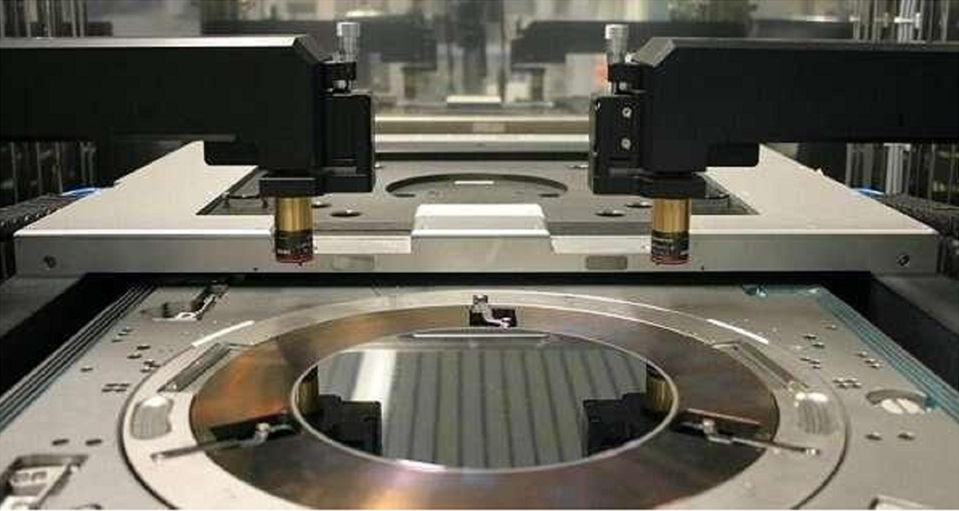
When you’re working with semiconductor wafers, it’s not just about cranking up the heat. It’s about where that heat actually goes. Most standard reflectors just scatter IR radiation all over the place, which is a huge waste of energy. We do things differently. By using gold-coated reflectors, we change the way the energy behaves. Instead of letting the heat wander, the gold bounces a much higher percentage of the infrared spectrum right back where it belongs: onto the wafer. Why gold? It comes down to how gold handles long-wave infrared. It’s incredibly reflective. Without this coating, your heater housing just soaks up the heat like a sponge. With it, the energy is forced into a tight focal point. You get way more punch per watt. This is great because you can hit your target temperature faster without having to push the voltage so high that you risk frying your heating elements. The wiring problem Here’s the thing: when you concentrate that much heat, the environment becomes brutal for your electrical leads. If you use standard PVC or silicone, the insulation will melt or start off-gassing. You’ll be looking at a short circuit within a few weeks. That’s why we pair these heaters with Teflon-jacketed wiring. Teflon can take the heat near those gold reflectors without breaking a sweat, keeping your circuit stable and your head clear of maintenance nightmares. A few things to keep in mind Now, this kind of power comes with a trade-off. Because the heat flux is so much more intense, your ramp-up is faster—which is awesome—but it puts more stress on your thermal sensors. If your PID loop isn’t tuned for that extra speed, you might overshoot your target temperature. You’ll also want to double-check that your cooling system can handle the concentrated heat trapped in the chamber. We’ve designed these to be simple drop-in replacements for your current heaters. Just make sure your power supply can handle the wattage for that focused output, and you’re good to go.