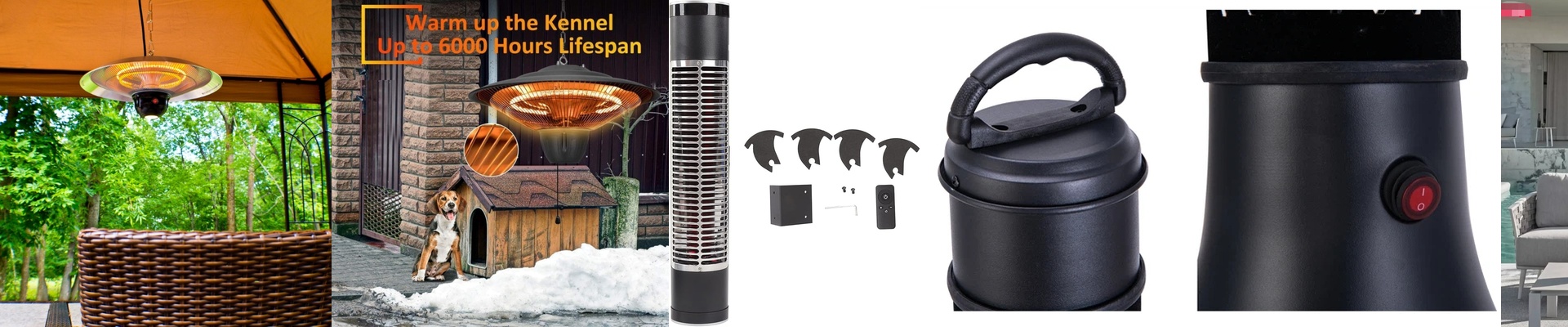
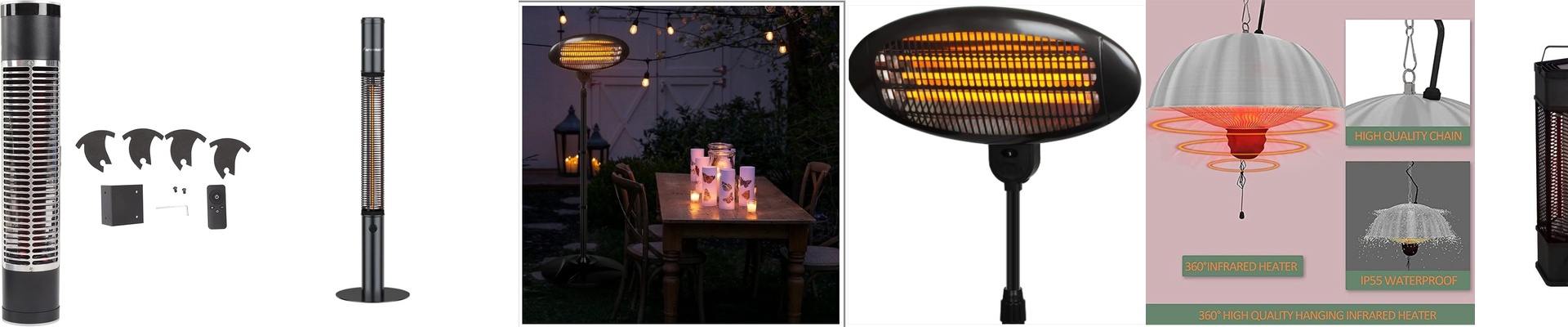
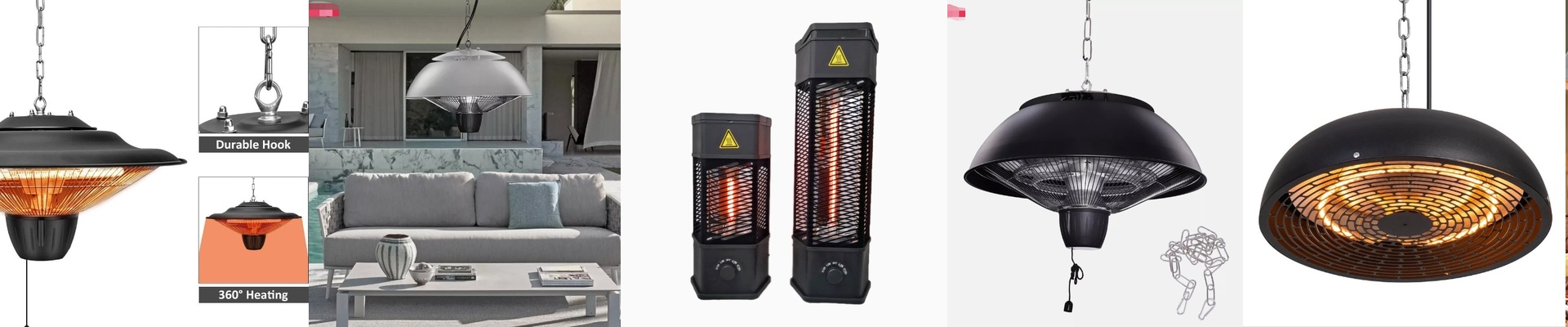

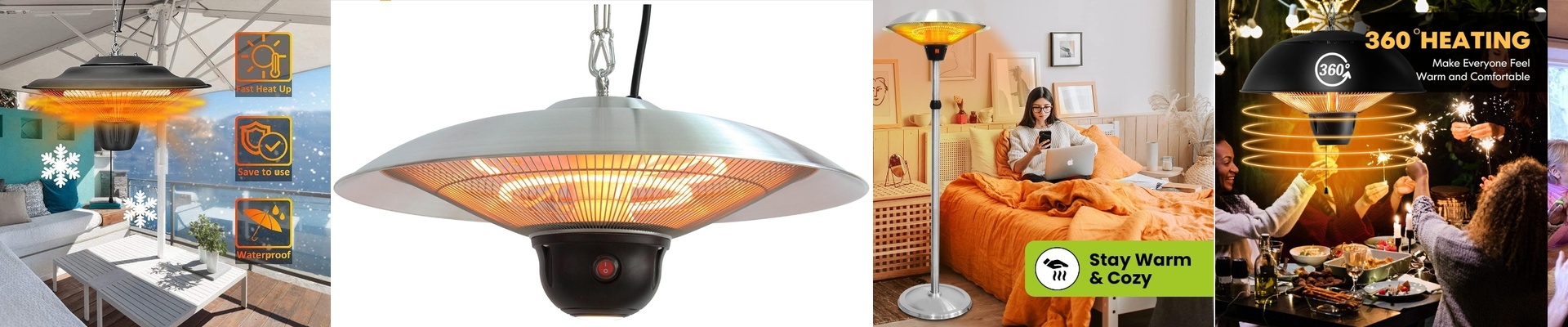
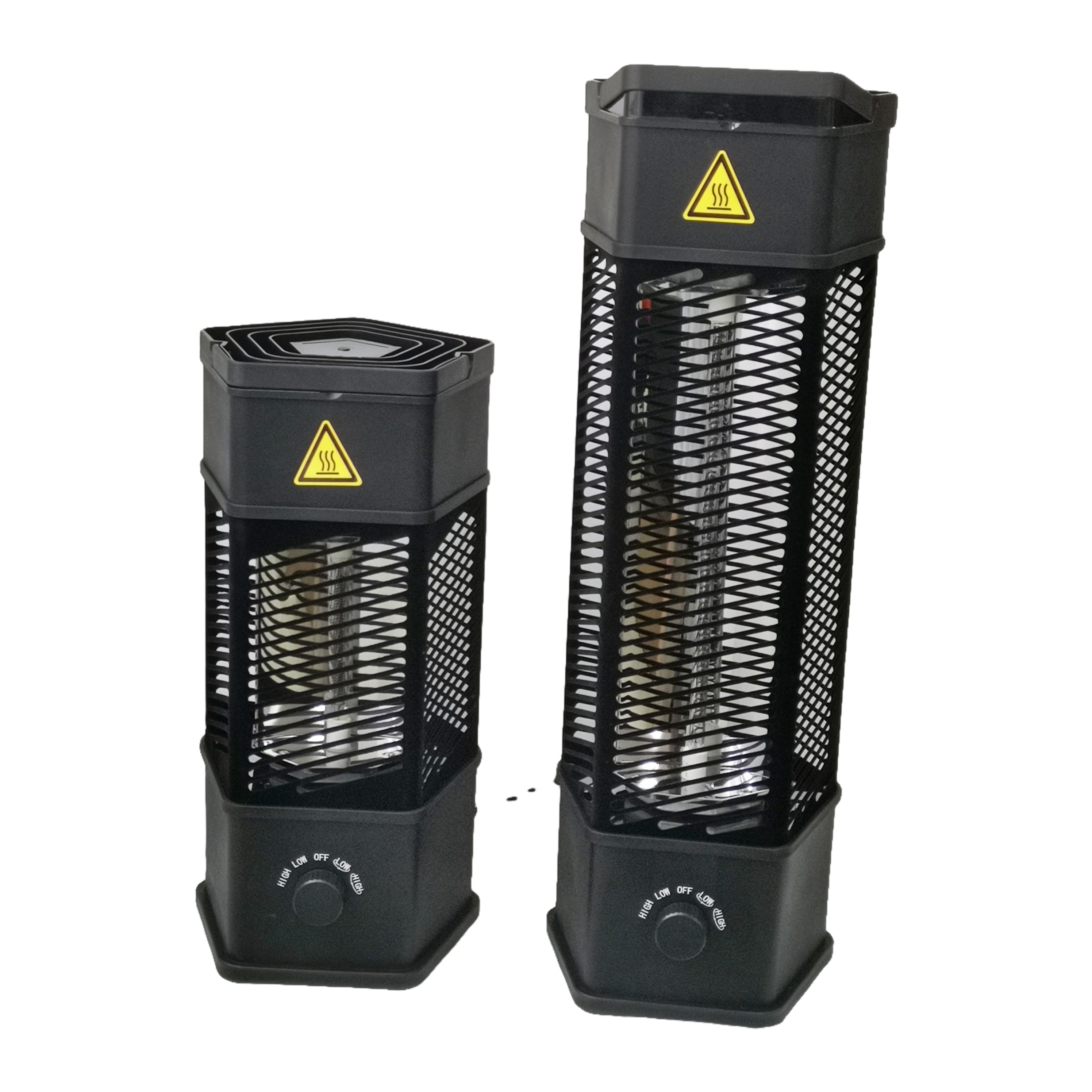
Keeping Bathroom Infrared Heaters Safe (and Dry)
Putting an infrared heater in a bathroom is a bit of a balancing act. You’ve got high humidity and the constant risk of water splashes, both of which love to turn a piece of electrical equipment into a short circuit waiting to happen. To make sure things stay safe, we have to get obsessed with how we seal the unit and the materials we use for the housing.
Stopping the Leak
Most heaters fall apart in a bathroom because steam sneaks into the terminal connections. It’s a nightmare. We use enclosures rated IPX4 or better to keep that mist and those stray droplets away from the live parts. The real battle happens where the lamp meets the socket. That’s why we lean on high-temp silicone gaskets and epoxy potting for the wiring. It stops “tracking”—that annoying thing where moisture builds a little bridge across the insulator—so you don’t end up tripping your breaker every time you take a shower.
Handling the Heat
Infrared lamps get incredibly hot. Like, really hot. If you use cheap plastics for the housing, they’ll warp or start smelling like burning chemicals. Not a great vibe for a bathroom. Instead, we stick with ceramic insulators and reinforced borosilicate glass. These materials don’t flinch when the tube hits its peak temperature. We also make sure the grounding wire is bonded tight to the chassis. That way, if a filament pops and the glass cracks, the current has a quick path to ground and the breaker flips instantly. It’s all about failing safely.
The Great Tug-of-War
Here’s the tricky part: you can’t just seal the whole thing in a plastic bubble. If you waterproof it too much, you trap the heat inside. That heat eventually eats away at the wiring insulation and kills the lamp’s lifespan. It’s a constant trade-off. The secret is finding that sweet spot—designing a venting path that lets the hot air breathe and escape, but keeps the water spray out. It’s a delicate balance, but it’s the only way to make the heater actually last.