More Than Just a Warm Bathroom: How to Actually Kill Mold
Most people look at an IP65 waterproof heater and just see a way to stop shivering when they step out of the shower. But from where we sit, it’s more about managing the “vibe” of the room—specifically the dampness that lingers in the corners. The real goal here isn’t just to make the air feel cozy. It’s about getting the moisture out of your walls before it becomes a problem.
The trick with Shortwave IR
We use something called shortwave infrared (SWIR) in these units. Now, this is different from the kind of heat that just warms up the air around you. Shortwave heat actually penetrates surfaces. It sinks right into your grout, your silicone seals, and those tiny pores in your tiles. It makes the water molecules trapped in there vibrate and evaporate way faster than they would on their own. Think of it like this: the heater pushes the moisture out of the walls and into the air. Once that water is floating, your vent fan can actually do its job and suck it out of the room. It stops mold from ever getting a foothold in those damp spots.
Built for the splash zone
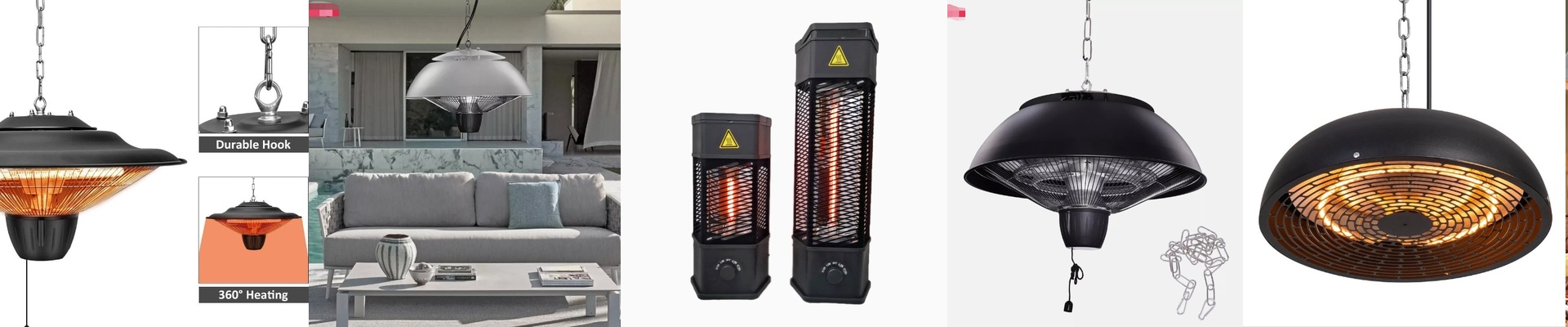
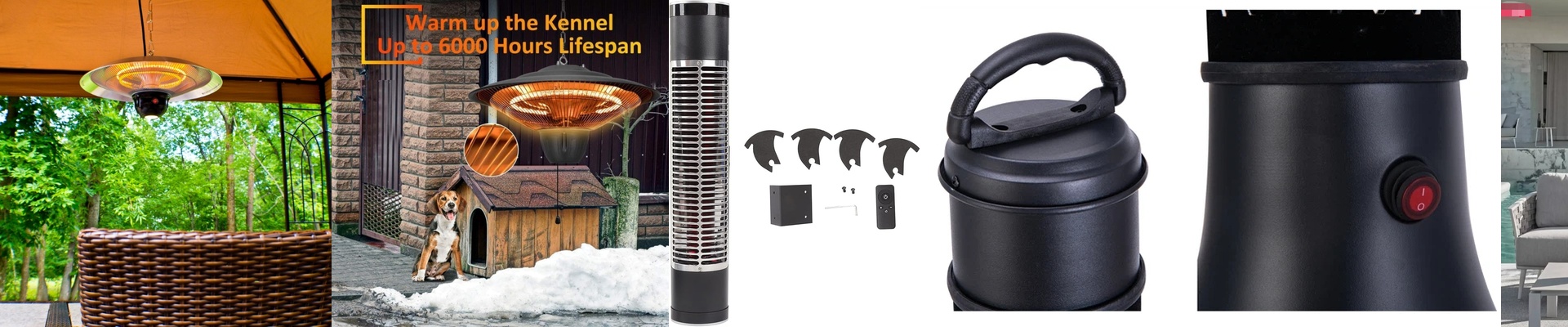
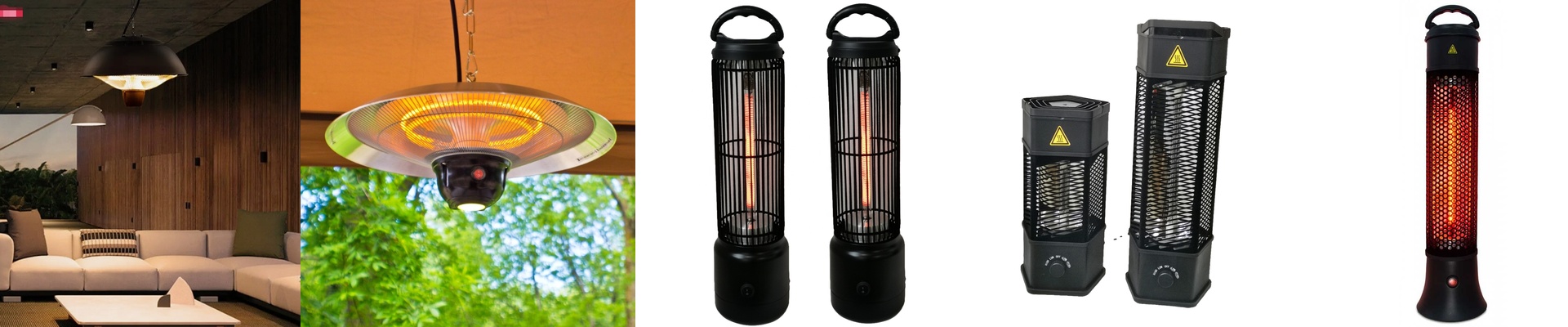
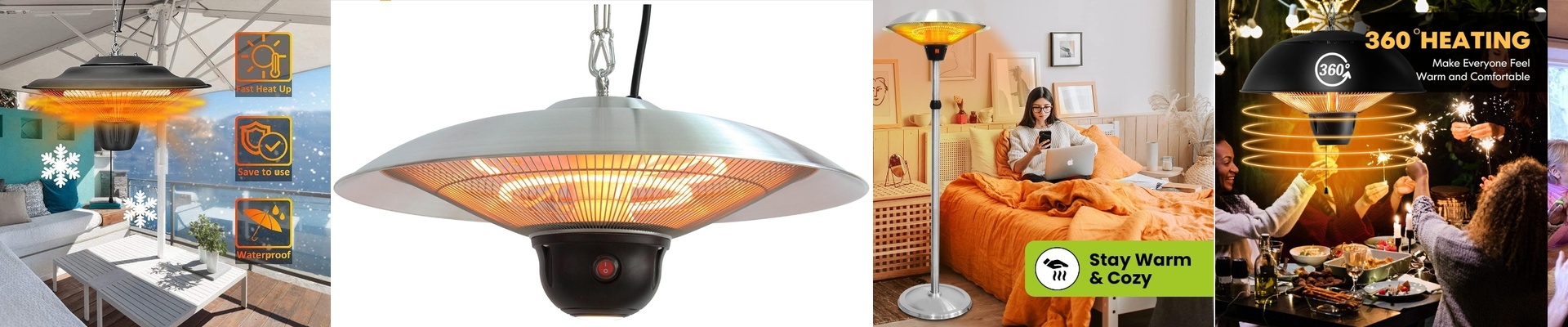
Water and electricity are a nightmare pairing. That’s why we use IP65-rated enclosures. It basically means the electrical guts are sealed tight, so steam and splashes can’t get in and cause a disaster. The quartz glass tubes get hot. Fast. That’s the best part—you don’t have to wait ten minutes for the room to warm up. It’s almost instant. But a word of caution: that heat is intense. If you have cheap plastic trim or PVC pipes too close to the unit, they might warp or melt. Just make sure you leave enough breathing room during the install.
Making life easier
These lamps are designed to be easy drop-in replacements. When your bathroom stays dry, you spend way less time scrubbing grime and fighting mildew. It’s a simple way to keep your home healthier. You’re basically using light to kill the dampness before the mold even knows what hit it.