
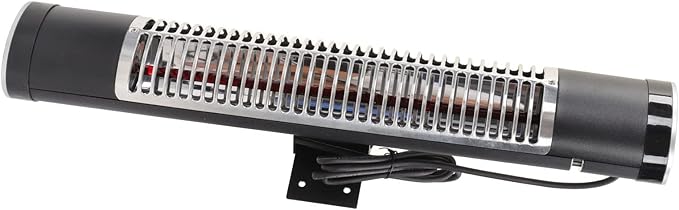
Keeping Your Bathroom Heaters from Shorting Out
Putting infrared heating lamps in a bathroom or a steam room isn’t as simple as just screwing them into the ceiling. You’re basically inviting a fight with condensation and direct water spray. Most of these units fail at the same spot: right where the quartz tube hits the electrical terminals. That’s where the magic—or the disaster—happens. To get that IPX5 rating, we have to obsess over that one specific junction. Stopping the leaks Here’s the thing about humidity: moisture loves to migrate toward heat. If your seal isn’t airtight, water vapor will sneak into the housing and create a bridge between the live terminal and the chassis. Not a great scenario. To stop this, we use specialized potting compounds and silicone gaskets at the ends of the lamp. We basically wrap the wiring in high-temperature resins. It locks the current inside the circuit so nothing leaks out to the outer shell. The heat struggle The real headache? Thermal expansion. Infrared lamps go from room temperature to scorching hot in a matter of seconds. If you use a standard seal, it’ll either melt or crack under the pressure. We have to pick materials that breathe and grow at the same rate as the quartz glass. It’s a delicate balance. Too rigid, and the tube snaps during a heat spike. Too loose, and you’re no longer waterproof. Real-world installation You can’t just slap these in a wet zone and walk away. Even with an IPX5 lamp, your wiring needs to be up to the task. Use moisture-resistant cables and make sure your grounding is rock solid. And a quick heads-up: the lamp might be protected, but your switches and controllers usually aren’t. If you use a cheap control box that isn’t rated for moisture, you’re still going to trip your breakers. Keep the whole chain protected, or the fancy lamp won’t matter.