

Stop Wasting Your Heat: The Truth About Wafer Heating
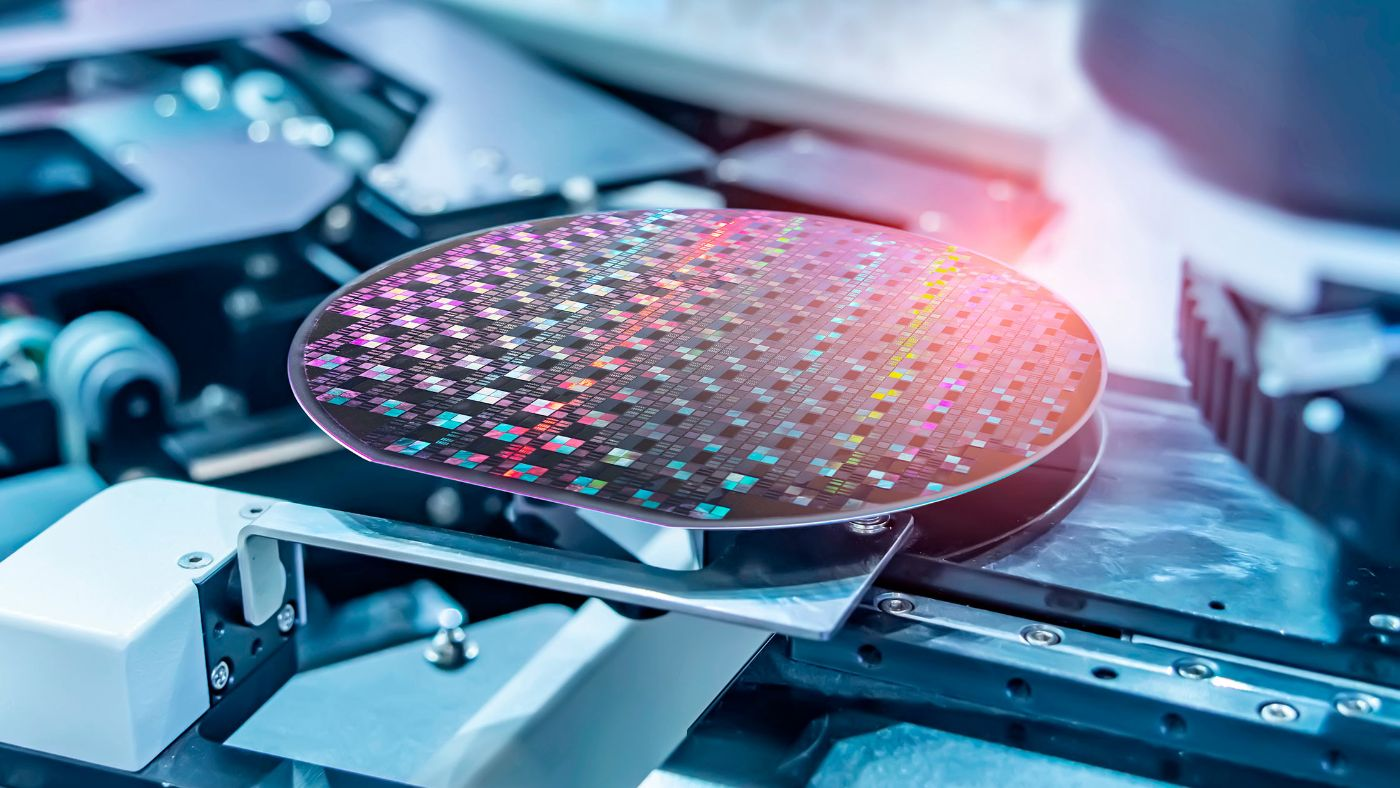
In semiconductor work, every wasted watt is more than just a line item on a budget—it’s a contamination risk. When you’re heating wafers, you want every single bit of that infrared energy hitting the substrate. No leaks. No waste. That’s why we use gold-coated reflectors. Instead of letting energy bleed into the machine chassis, we basically force it back toward the wafer.
Why gold?
Here’s the thing: standard quartz lamps throw heat in every direction. About half of that energy is just heading the wrong way. By adding a high-purity gold layer to the reflector, we can bounce back over 98% of that infrared spectrum. It’s not just about being “efficient.” It’s about control. The gold reflects short-wave IR without soaking it up, so the heat flux stays locked onto the wafer surface.
Finding the sweet spot
Distance is everything. If you mount your lamp too close, you’re asking for hot spots and warped wafers. But if you push it too far back, you start losing energy to the air around you. We shape the reflector geometry to focus the beam. This lets you keep a comfortable physical gap—which means less chance of accidental contact or gunk getting where it shouldn’t—while still hitting those fast temperature ramp rates you need.
The trade-offs (and how to handle them)
Gold reflectors push a massive amount of thermal energy into a tiny space. You can’t just slide these into a basic housing and hope for the best. Your cooling system has to be up to the task. If your airflow is weak, heat builds up in the housing and kills your filaments way faster than they should go. Keep an eye on your housing temperatures. It’s a simple check, but it’s the difference between a long-lasting setup and constant, annoying lamp burn-outs.