Keeping Your Bathroom Heaters Safe (Without the Scary Stuff)
Let’s be honest: mixing water and electricity is usually a recipe for disaster. When you’re designing a towel rail heater, you aren’t just thinking about how warm the towel gets. You’re thinking about what happens when a stray drop of water hits a red-hot heating element. Because in a steamy bathroom, that happens. A lot.
Why “Explosion-Proof” Actually Matters
If you use basic quartz glass, you’ve got a problem. It hates “thermal shock.” Imagine a freezing drop of water hitting a glowing red tube—the glass shrinks too fast in one spot and pop. It shatters. That’s why we stick with explosion-proof quartz. These tubes are built differently. They have a specific way of handling heat and a protective coating that keeps things stable. Even if the glass does crack, it doesn’t spray shards everywhere. It stays put, keeping the electrical parts tucked away where they can’t hurt anyone. It’s all about peace of mind.
Getting the Heat Where It Belongs
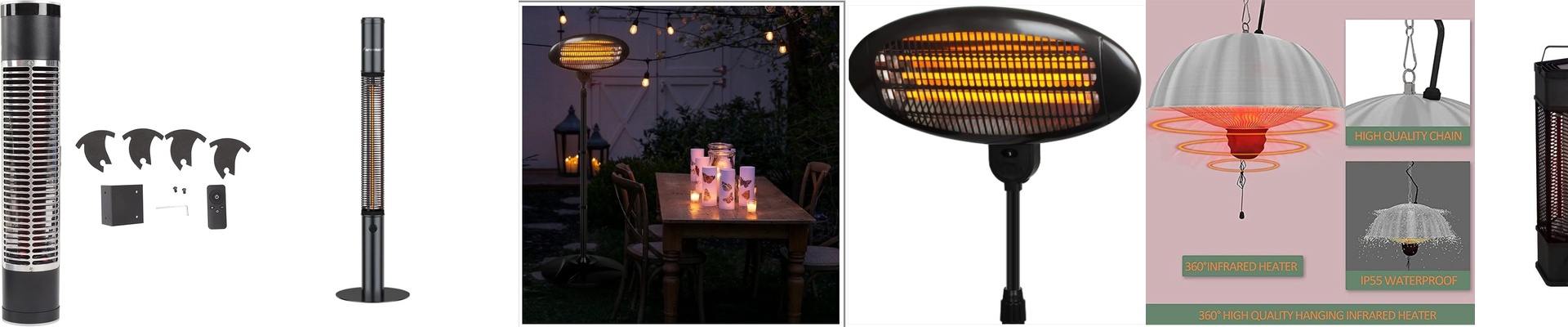
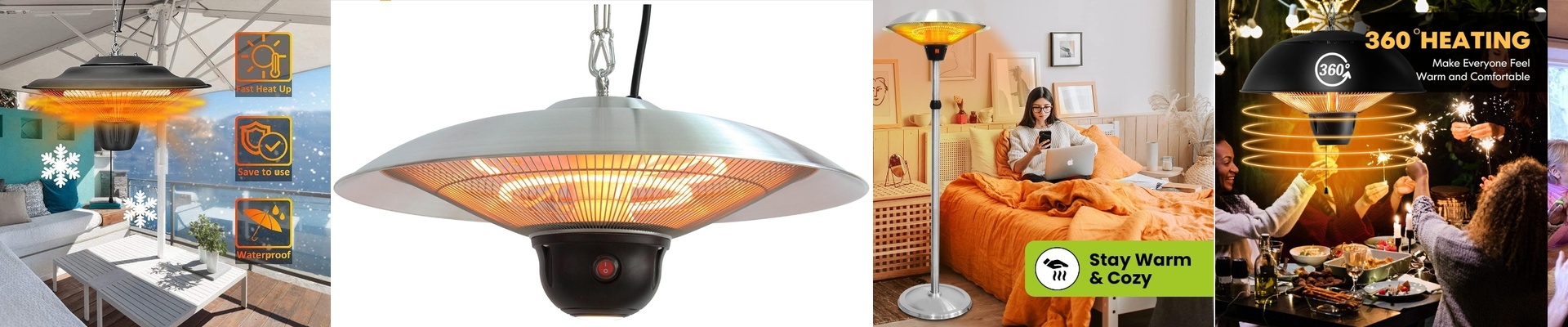
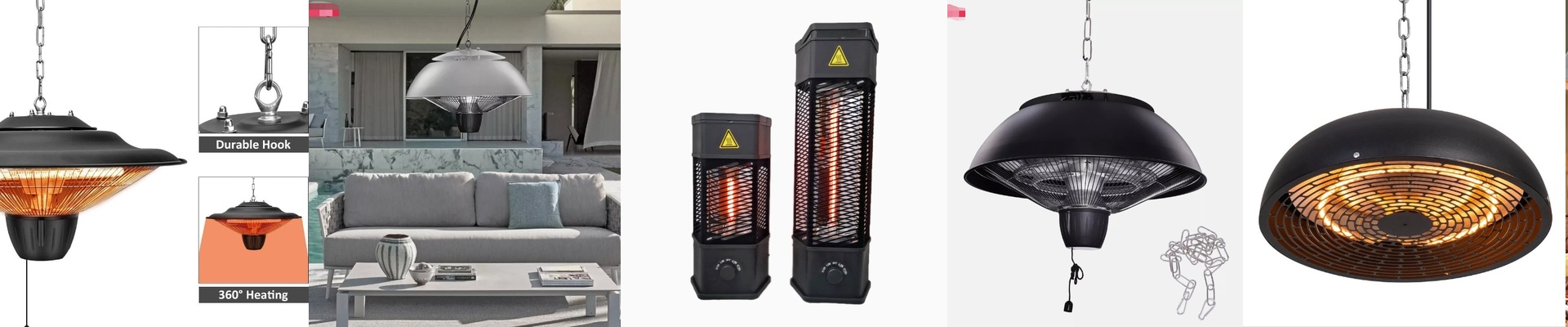
We use short-wave infrared lamps for a reason. Instead of just warming up the air in the room (which is a waste of power), this heat goes straight into the fabric of your towel. Because we use high-purity quartz, the heat passes through easily. You get a toasted towel, and the heater housing doesn’t get unnecessarily hot. Now, here is the tricky part: wattage. Higher wattage means your towel dries faster, but it also makes the tube get hot—fast. If the housing isn’t made of the right stuff, it’ll warp. It’s a balancing act.
The Little Things That Break
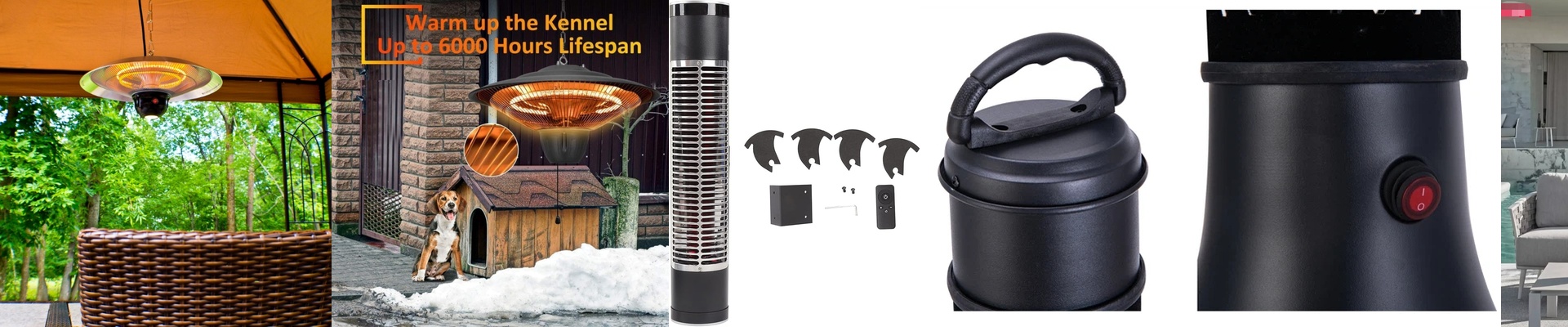
Putting these lamps into a towel rail is all about the details. Humidity is a killer. It eats through metal, so we use reinforced connectors to stop that rust and oxidation from creeping in. The biggest enemy? A bad seal. If moisture leaks into the end-cap, the filament burns out and the whole thing dies. We usually go for a sealed chassis to make the lamp last longer. It’s a bit of a trade-off, though. A tighter seal means a safer, longer-lasting heater, but it does make it a little more of a pain to swap the lamp out when it eventually needs replacing. Worth it for the safety, though.