Stopping the Heat Leak in Bio-Sensor Fabrication
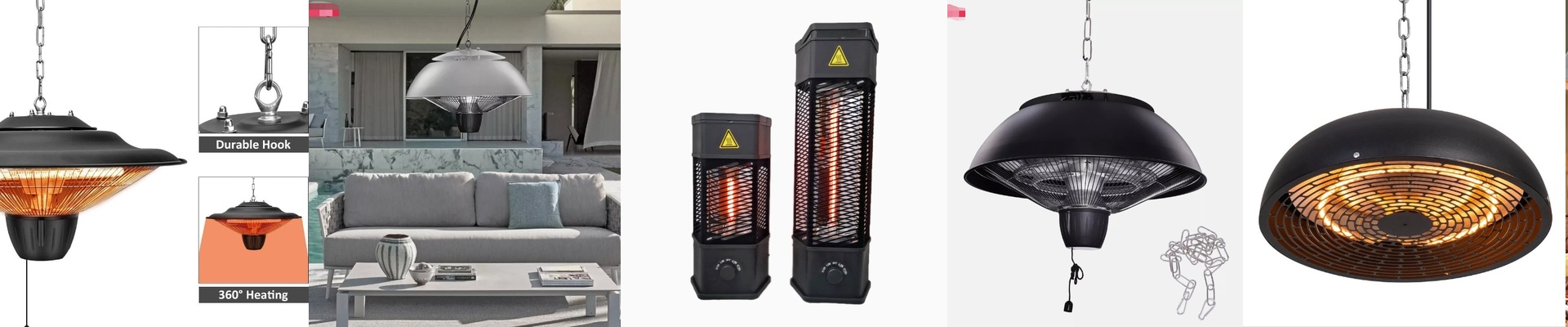
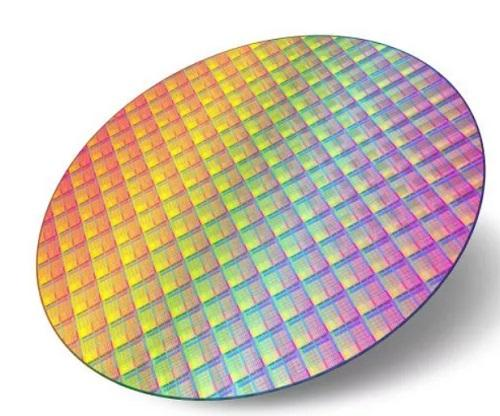
When you’re building bio-sensors, you need a very specific amount of heat on your substrate. But here’s the problem: most standard heaters just throw energy everywhere. It’s messy. All that “waste heat” soaks right into the walls of your semiconductor tools. If the chassis of your machine is too hot to touch, you’ve got a safety hazard on your hands—and your thermal stability goes right out the window. Control where the heat goes We handle this by switching to directional infrared (IR) lamps. Think of it like the difference between a lightbulb and a flashlight. Instead of glowing in every direction, these lamps use reflectors and special coatings to push the IR energy into a tight, focused beam. The photons go exactly where they’re supposed to go—straight onto the sensor wafer. Meanwhile, the walls of the machine stay cool. It’s a much cleaner way to work. The trade-offs you need to know To get the power density needed for fast curing, we usually go with high-wattage quartz elements. They ramp up quickly, which is a lifesaver when you’re working with sensitive organic layers that can’t sit under heat for too long. But you have to be careful. If you cram too many watts into a narrow beam, you’ll end up with hot spots that ruin your sensor. My advice? Pair these lamps with a PID controller and a fast-response thermocouple. It keeps things steady so you don’t accidentally fry your substrate. Making life easier in the lab Once you move to directional IR, you can stop worrying about heavy-duty insulation on your inner walls. This actually shrinks the footprint of your tool, giving you a bit more breathing room in the lab. Plus, it’s a huge win for the people actually running the machines. They don’t have to stand around for hours waiting for the chassis to cool down just to make a quick adjustment or perform some maintenance. One last thing: wire these into a dedicated circuit. High-density IR lamps pull a lot of current the second they kick on. Make sure your power supply can handle that peak load, or you’ll be spending your afternoon resetting tripped breakers.