
Stop Wasting Time Waiting for Your Oven to Heat Up
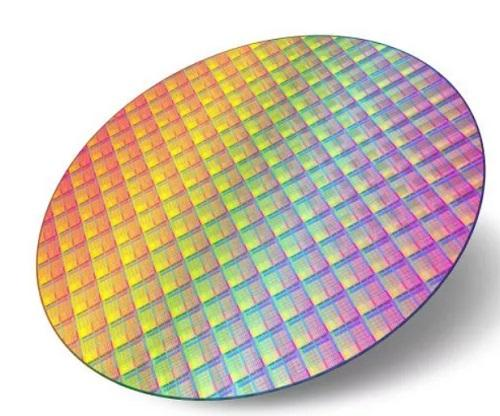
If you’re still relying on hot air circulation for semiconductor processing, you know the frustration. You’re basically playing a waiting game. You have to heat up the air, then the chamber walls, and then finally the workpiece. It’s slow. It’s tedious. Carbon fiber IR lamps change that. Instead of heating the room around the part, they beam energy straight into the substrate. It’s a direct hit. Why it actually matters Hot air has a massive lag. You spend minutes just waiting for things to stabilize. But with carbon fiber, you’re talking seconds. Because the filaments don’t hold onto heat the way old-school metal elements do, they snap to temperature almost instantly. You get a clean ramp-up and a quick cool-down. No more worrying about that annoying temperature overshoot you get with forced-air ovens. It just feels… tighter. More controlled. Cleaning up the floor Plus, think about the space. You can ditch the bulky blowers and all those winding ducts. Since IR lamps are compact, you can set them up in arrays to hit exactly where you need the heat. You’re targeting specific zones of the wafer rather than soaking the entire assembly in heat it doesn’t need. Your machine footprint shrinks, and your process gets leaner. The reality check Now, it’s not a magic wand. You have to get the setup right. If your lamp spacing is off, you’ll end up with hot spots. You can’t just slap them in; you need the right reflectors to make sure the heat spreads evenly. If they’re too close, you’ll burn your substrate. Too far? You lose that speed we’re talking about. And one last thing: check your power supply. These lamps pull a lot of current in that first initial surge, so make sure your electricals can handle the kick.