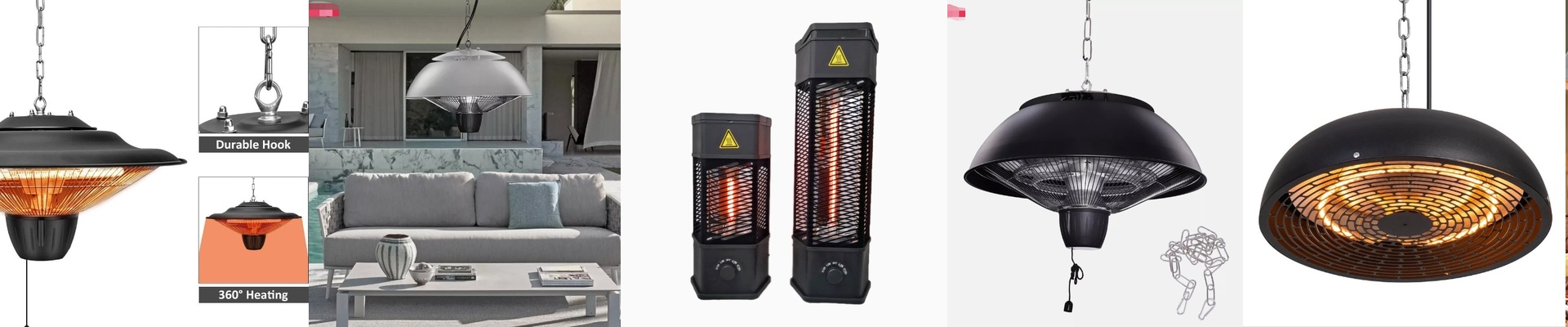
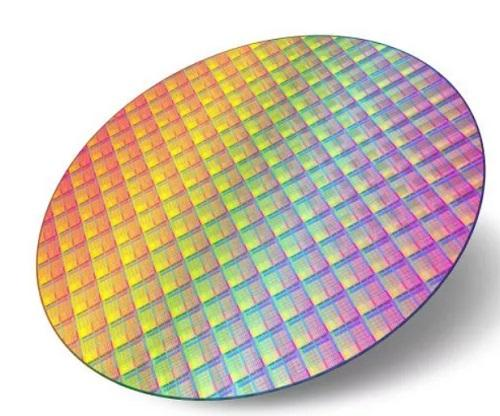
Getting More Heat Onto Your Wafers
When you’re curing wafers in a fab, it’s easy to think that just cranking up the wattage is the answer. But raw power doesn’t matter if that energy never actually reaches the silicon. Most people start with standard aluminum reflectors, but there’s a catch: they soak up and scatter way too much energy. It’s wasteful. That’s why we use gold coating.
Why Gold?
It comes down to how infrared light behaves. Aluminum is fine for basic heating, but gold is on another level when it comes to reflecting IR rays. Instead of letting photons wander off and heat up the lamp housing (which does nothing for your wafer), a thin layer of high-purity gold bounces that energy exactly where it needs to go. You get a hotter target without having to stress your power supply.
Fixing the “Cold Spot” Problem
We don’t just slap gold on a piece of metal. We obsess over the curvature of the reflector to concentrate the heat flux. Why? Because nothing ruins a batch faster than a weird thermal profile. If one side of the wafer is cooler than the other, you’re looking at warping or uneven curing. We aim for a smooth, consistent heat across the whole surface.
The Real-World Trade-off
Let’s be honest: gold is expensive. Much more so than aluminum. It’s a bit of a gamble upfront, but you have to look at the bigger picture. You spend more on the lamp, but you stop bleeding electricity across your entire fab grid. It usually pays for itself in the long run. But here is the part where things can go wrong.Gold is soft. If your maintenance team handles these reflectors with bare hands, the oils from their skin will etch into the surface. Once that happens, your reflectivity tanks. I can’t stress this enough: use gloves. Stick to a strict “no-touch” rule during installation. If the optics get dirty, you’ll notice the curing speed drop almost immediately. Keep them clean, wire them up right, and your energy density will stay rock solid.