Why Your Bathroom Heater Keeps Dying (and How to Fix It)
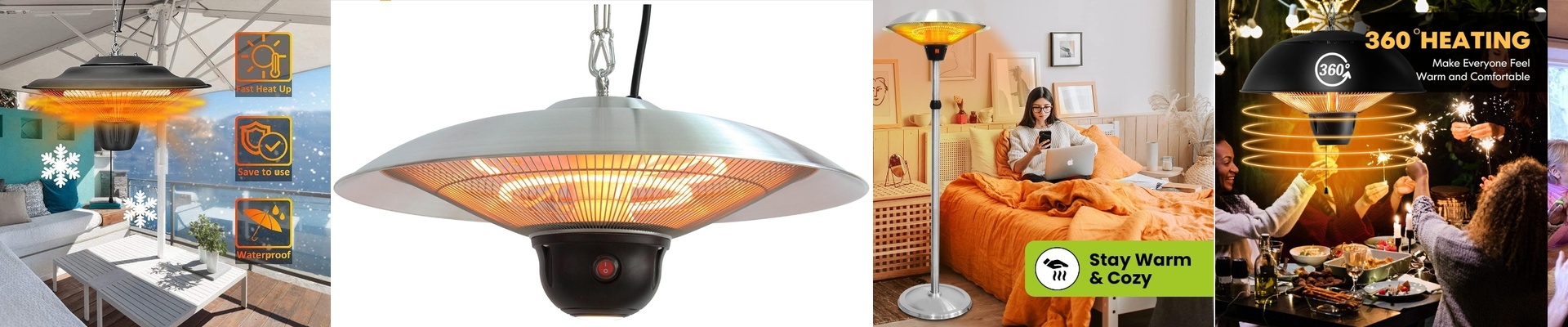
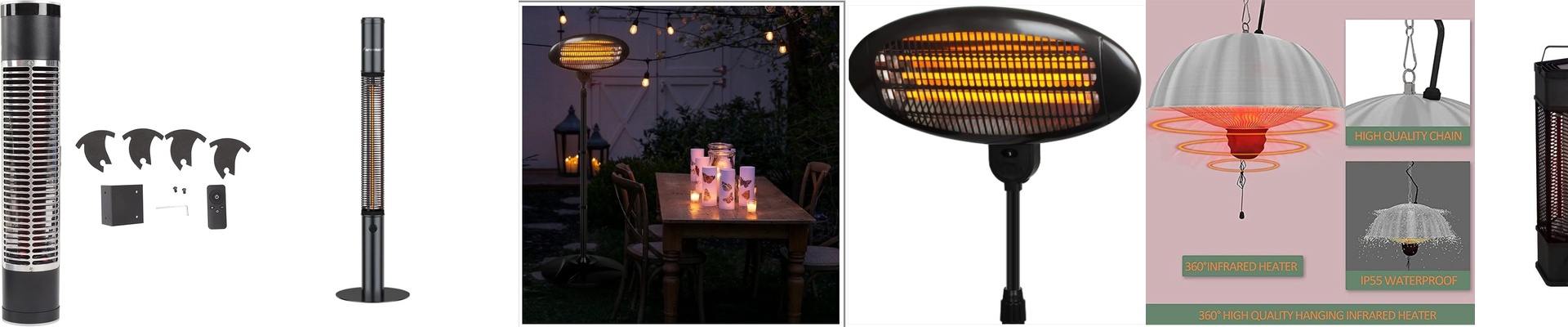
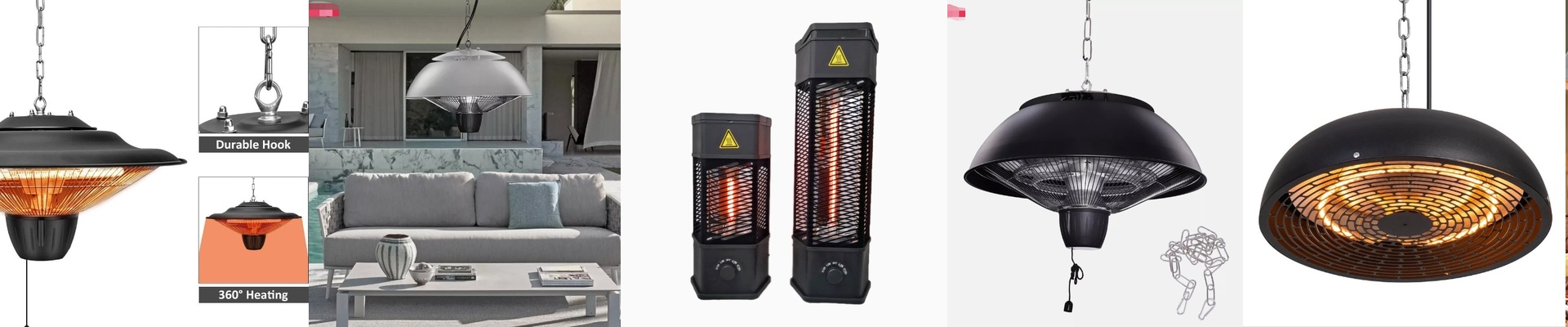
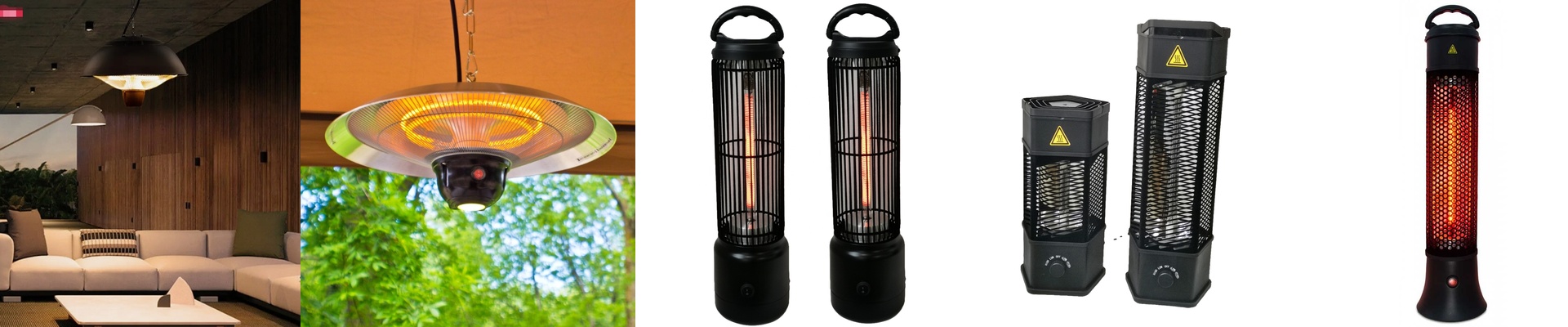
Ever notice how those old-school lamp heaters in the bathroom always seem to quit right when you need them most? It’s not a coincidence. Most of them just aren’t built to handle a room full of steam and stray splashes. That’s why we’ve been moving toward IP65-rated infrared heaters. It sounds like technical jargon, but it’s actually pretty simple: it’s about keeping the water out so the electricity stays where it belongs. The deal with IP65 Basically, an IP65 rating means the unit is sealed tight. Dust can’t get in, and water jets won’t penetrate the casing. In a steamy bathroom, moisture finds a way into standard heaters. It eats away at the internals, causes corrosion, and eventually, the whole thing shorts out. By using a sealed unit, we keep the wiring and the heating element bone-dry. No more “burn outs” or worrying if your heater is going to give up the ghost mid-shower. Heat you can actually feel Here is the thing about traditional heaters: they try to warm up the air. But the second you open the door or kick on the exhaust fan, all that warmth just vanishes. You’re left shivering again. Infrared is different. Instead of fighting the air, it sends out waves that heat you and the surfaces around you directly. It’s instant. We use short-wave emitters because they pack a punch without needing a massive, bulky fixture on your ceiling. A few things to keep in mind You can’t just plug these into a regular wall socket. They pull a lot of power to get that instant heat, so they need their own dedicated circuit. You’ll want to make sure your wiring is up to the task before you start. And a quick heads-up: these things gethot. Really hot. If you mount them too low or put them right next to plastic trim, you might actually warp your fixtures. Give them some breathing room. If you’re renovating and the heater is going anywhere near the “splash zone” of a tub or shower, go with an IP65 system. It’s safer, it lasts longer, and it actually keeps you warm.