

Why IR Heating Just Makes Sense for Your Glovebox
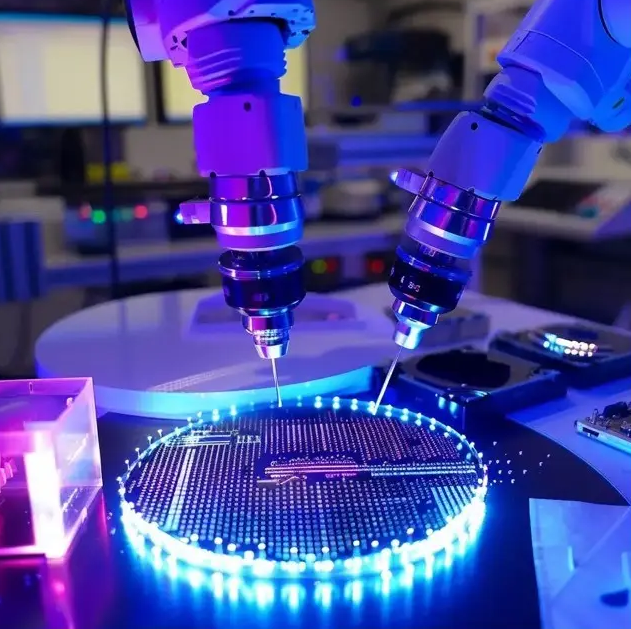
If you’ve ever spec’d out a glovebox for a modern Fab, you know the headache: getting heat where it actually needs to go. Most people stick with traditional convection heaters, but they’re slow. You end up wasting a ton of energy just trying to warm up the entire chamber before your sample even feels a thing. That’s why we use infrared (IR). Instead of heating the air, it beams energy straight at the target. It’s direct. It’s efficient. Speed and Control In a digital production line, waiting around is a killer. IR elements heat up and cool down almost instantly. Because they react so fast, they play really well with PLC-driven PID controllers. You can get your thermal tolerances down to a few degrees without breaking a sweat. Plus, since these elements pack a lot of punch into a tiny footprint, you actually have room to breathe—and more space for your wafers. The Nitty-Gritty Stuff We build these using high-purity quartz and specific coatings to tweak the emission spectrum. Here’s the thing: not all materials react the same way to heat. Depending on what you’re working with, you might need short-wave or medium-wave IR. Otherwise, the energy just bounces off the surface instead of soaking in. And we kept the installation simple. We use standard connectors, so when it’s time for maintenance, you just swap them out. No one wants to spend three hours soldering inside a cleanroom. The Trade-off Now, moving toward a “Smart Fab” means every single watt is being tracked. IR definitely helps lower the energy load per cycle. But there’s a catch. These elements gethot. Really hot. If your glovebox isn’t set up with the right heat shielding or a cooling loop for the chassis, you’re asking for trouble. You could warp your seals or have your sensors screaming “overheat” all day. It’s all about finding that sweet spot between the heat the element puts out and what the enclosure can actually handle.