
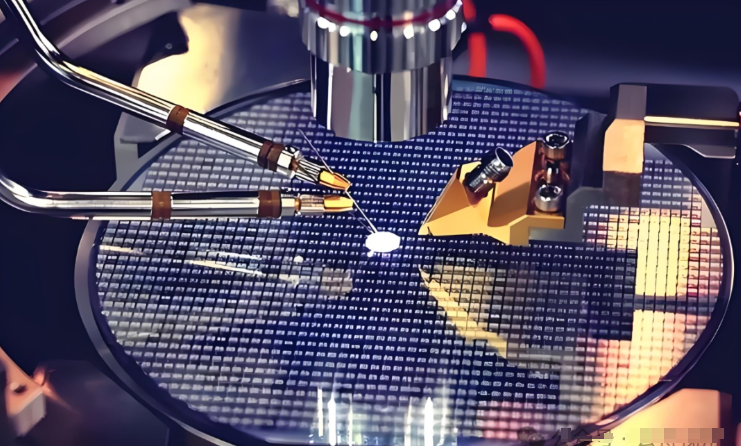
Why We Switched to IR Curing in the Clean Room
When you’re working in semiconductor fab, “clean” isn’t just a goal—it’s the whole point. Any bit of residue or a stray speck of dust can ruin a batch. For a long time, we relied on convection ovens. But here’s the problem: those things basically just blow hot air around. That air carries particles. Plus, trying to keep a massive chamber of air at a steady temperature is a total energy hog. That’s why we use infrared (IR) heaters. Instead of moving air, they use electromagnetic radiation. It’s a completely different way of thinking about heat.
Getting Lead-Free Right
Switching to lead-free solder and adhesives is tricky. If your thermal profile is off by even a little, you’ll end up warping your components. With IR, you aren’t wasting time heating up the air inside the oven. You’re hitting the substrate directly.You heat the part, not the room. It’s faster. It’s more efficient. And because it cuts out that long lag time you get with air-based systems, it’s a much greener way to run a line.
Keeping the Dust Out
In a fab, contamination is the enemy. IR lamps are sealed units. They don’t shed particles or “outgas” the way old-school resistive elements do. And since there are no fans blasting air across your wafers, you don’t have to worry about dust being pushed right onto your work. It just stays sterile.
The Catch (and how to fix it)
Now, it’s not all magic. High-intensity IR hits hard and fast, which can create a steep thermal gradient. If you aren’t careful with your timing and distance, you’ll get “hot spots.” You might find the center of your wafer is toasted while the edges are still under-cured. To stop that from happening, you can’t just “set it and forget it.” You need solid PID controllers and sensors to keep everything balanced so you don’t burn through your substrate.
The Big Picture
Moving to lead-free standards is about more than just changing the chemistry of the solder. It’s about how we use energy. Replacing those old, clunky drying tunnels with IR lets us hit tighter tolerances with way less waste. It’s a simpler, cleaner way to get the job done.