
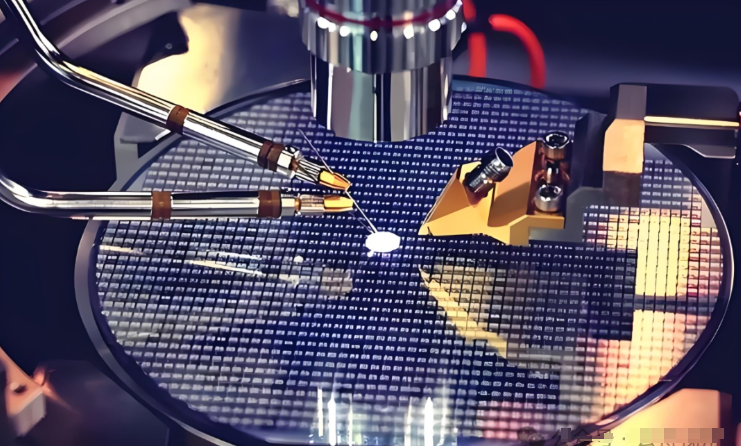
Our Made-in-China Fab Heater: The Real Deal for Wafer Lines
We build fab heaters right here in China, and we’re putting our industrial heating modules head-to-head with international brands—in actual wafer production. For us, the proof isn’t in the marketing. It’s in uptime. In repeatability. In the day-to-day grind of a running line.
Power, Voltage, Size: What It Means on the Floor
On high-end wafer lines, the heater has to deliver dense, steady heat without drifting during the process. So we run our units at 400V high voltage. That gives you fast ramp-up and tight thermal control right where you need it. The 300mm tube length? That was chosen to match standard tool footprints. In practice, it means a drop-in replacement that hits the heated zone cleanly—no over-engineering, no guesswork. At 2500W, the power is serious. It handles demanding cycles without breaking a sweat. But high heat density also means your surrounding equipment needs to breathe. Plan airflow and thermal load up front. It’s powerful—and it performs best when the whole system is set up to match.
Materials and Design: Built for the Grind
Inside, it’s a halogen heating element housed in a quartz envelope. Quartz is tough—it handles rapid temperature swings and resists thermal shock, which matters when the line starts and stops on a dime. The reflective coating isn’t just for looks. It directs infrared energy forward, so more heat couples into the workpiece and less is wasted. And the R7s connector? It’s a practical, proven choice. Fast to wire. Secure when things vibrate. Built for repeated maintenance without getting finicky. On a production floor, that kind of reliability is the kind you don’t notice—until you don’t have to.
Real-World Wafer Heating, No Fluff
Wafer production is rough on equipment. You need a heater that can take the pressure and still hold setpoint, cycle after cycle. Our configuration is built around high heat density, stable output, and an installation that doesn’t feel like a project. It’s engineered for high-end wafer lines, where temperature repeatability directly affects yield. If you want the clearest proof, run a side-by-side test on your own line. Watch the cycle time. Track temperature stability. Note the maintenance intervals. When you do, the numbers will do the talking—because that’s how it should be.