



Getting More Heat Where It Actually Matters
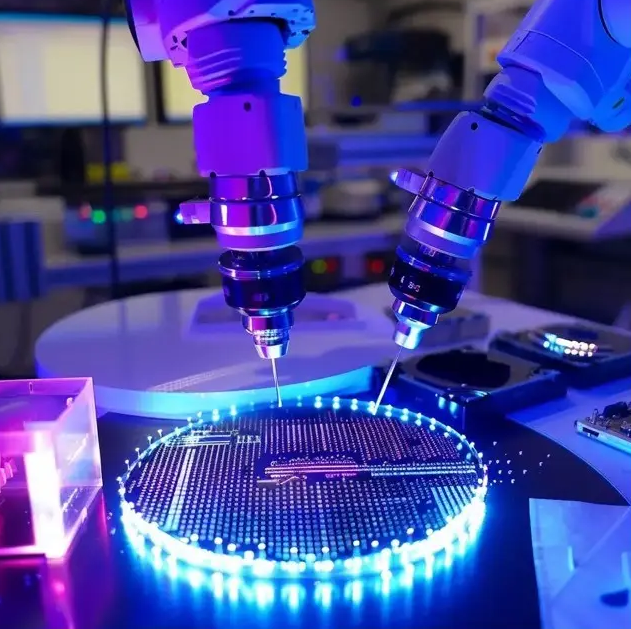
If you’ve spent any time in a semiconductor clean room, you know the struggle with trolley heaters. You need the wafer surface to hit a precise temperature, but you can’t have the rest of the equipment turning into a giant radiator. Most people start with standard aluminum reflectors. The problem? Aluminum is a bit of a heat sponge. It absorbs way too much infrared (IR) radiation, which means you’re wasting energy just to heat up the heater’s own housing. That’s where gold comes in. It sounds fancy, but it’s really just about physics. Gold is incredible at bouncing near-infrared light. When we swap aluminum for gold coatings, the heat stops soaking into the casing and starts heading exactly where it belongs: straight onto the wafer. You get a tighter focus and a much lower power bill. Plus, it makes your life easier with the HVAC. When you stop “spilling” heat into the room, your cooling system doesn’t have to work overtime to keep the clean room from overheating. But here’s the catch. Gold is soft. If your maintenance team is rough during a lamp swap and scratches that surface, you’re in trouble. A few scratches can kill your efficiency and—even worse—create hot spots on your wafer. It’s a “handle with care” situation. Now, let’s talk money. Yes, gold is expensive. It’s a bigger hit upfront. But if you’re running 300mm wafer lines where temperature uniformity is everything, the cost pays for itself. You can run your lamps at lower wattages and still hit your targets, which means your power supplies aren’t screaming under the stress. One last tip: hook these up to a PID controller. It’s the only way to go. And whatever you do, don’t try to “fix” a worn-out reflector by cranking up the lamp wattage. You’ll just burn through your filaments way faster than you should. Just stick to the recommended settings for the coating, and let the gold do the heavy lifting.