

Keeping Things Safe with Gold-Coated IR Lamps in Chemical Cleaning
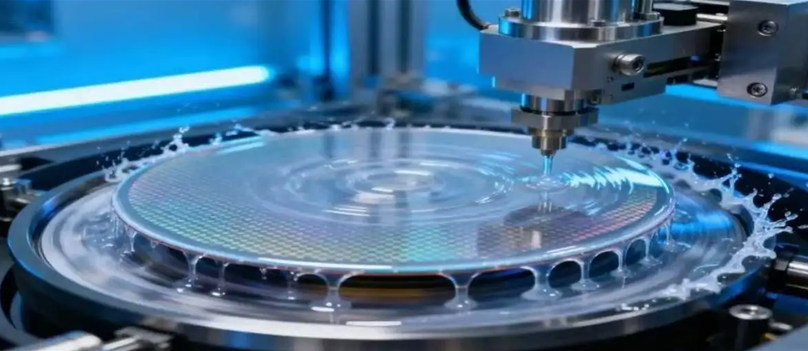
Let’s be honest: chemical cleaning in semiconductor fab is a nerve-wracking business. You’re dealing with solvents that would love nothing more than to catch fire or explode. Throwing a standard infrared lamp into that mix? That’s just asking for trouble. That’s why we use gold-coated quartz lamps with some very specific sealing. It’s all about stopping a spark before it starts and making sure the chemicals don’t eat the equipment alive.
Why the gold?
We put a thin layer of gold on the quartz envelope. No, it’s not to make the machine look fancy. The gold acts like a mirror, pushing the infrared heat forward right onto the wafer. Without it, you lose a lot of heat to the back of the lamp housing. By focusing the energy, you get the heat exactly where it needs to be, and you don’t end up baking your own chassis. It’s just smarter.
Locking things down in hazardous zones
The ends of a lamp are usually the weakest point. In a room full of volatile vapors, a tiny electrical arc or a small leak isn’t just a technical glitch—it’s a potential flash fire. To stop that, we use hermetic sealing where the electrode meets the quartz. It creates a total lockdown. Chemical fumes can’t sneak inside, and the internal gases can’t leak out. We also use reinforced connectors. Why? Because a loose connection causes arcing. And arcing in a chemical bay is a disaster you really don’t want to experience.
The trade-offs you need to know
Nothing is perfect. While these gold-coated lamps are great for directing heat, they’re a bit picky about cleanliness. If chemical residue builds up on that gold layer, you’ll get hot spots. Those spots can actually cause the quartz to crack. To keep the lamps from burning out early, you’ve got to stay on top of your cleaning schedule for the shields. No shortcuts here. One more thing: check your ventilation. Even with the lamps sealed up tight, they put out a lot of concentrated heat. If your airflow isn’t pulling those vapors away fast enough, you might still volatilize the chemicals nearby. Keep the air moving, and you’ll be fine.